
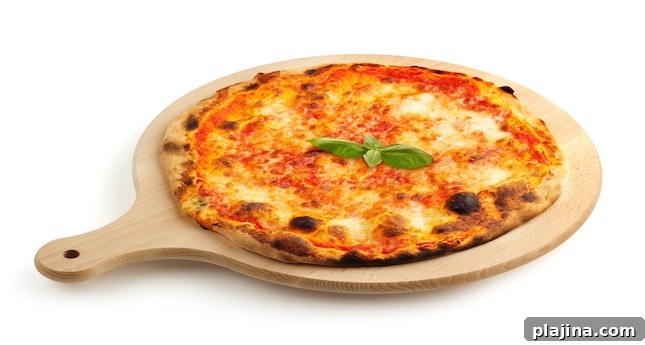
Italy has asked UNESCO to recognize Neapolitan pizza as part of the organization’s cultural heritage. The proposal, supported by Italy’s National Commission for UNESCO, was submitted along with a petition signed by approximately 850,000 people worldwide.
The review process will take about a year and will involve all 193 UN member states. Final decisions will be made in Paris next year, so it will be some time before any official designation is confirmed.
UNESCO’s World Heritage List has traditionally focused on monuments and sites, but in recent years the organization has expanded its scope to include “intangible cultural heritage.” Italy argues that Neapolitan pizza—known for its thin crust, traditional preparation, and use of particular ingredients—is an integral part of the country’s cultural identity and merits protection and recognition.
To qualify as authentic Neapolitan pizza, specific criteria are observed: the dough is prepared with a defined type of flour and the crust follows particular thickness and texture standards. These requirements reflect long-standing techniques and local knowledge passed down through generations.
Other examples of intangible cultural heritage already recognized by UNESCO include the Georgian Qvevri winemaking tradition and Sicily’s puppet theater. Including culinary traditions alongside performing arts and craftsmanship highlights the diverse forms of cultural expression UNESCO seeks to preserve.
The proposal marks a concerted effort to safeguard culinary heritage and support the artisans, bakers, and communities who maintain these practices. If accepted, the designation would raise awareness of Neapolitan pizza’s origins and encourage measures to preserve its traditional methods.
While the outcome remains uncertain until the UNESCO committee reaches its decision, the campaign underscores the cultural importance many people attach to food traditions and the role such recognition can play in protecting them for future generations.