
The Broad in Los Angeles presents Keith Haring: Art is for Everybody, on view May 27–Oct. 8. Organized by The Broad, this landmark exhibition is the first major museum presentation in Los Angeles to survey Keith Haring’s work, featuring more than 120 artworks and archival materials from across his career.
Recognized for bold colors, energetic linework and iconic figures such as the barking dog and radiant baby, Haring’s art blurred the line between everyday life and high art. Rooted in his subway drawings and celebrated public murals, his imagery remains widely accessible and conveys optimism, activism and communal spirit.
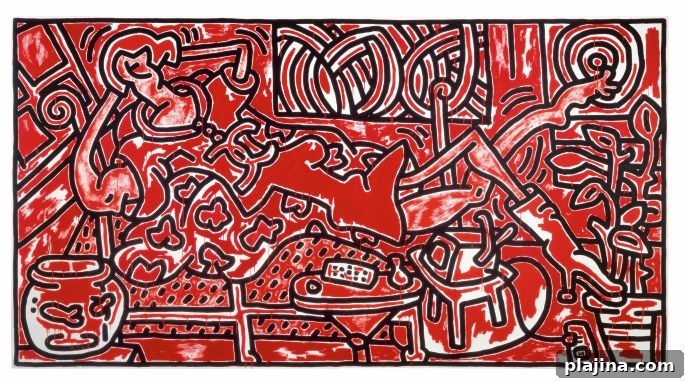
© Keith Haring Foundation
Born in 1958 in Reading, Pennsylvania, Haring moved to New York City in 1978 to study art at the School of Visual Arts. He quickly became a central figure in the downtown scene alongside peers such as Jean-Michel Basquiat, Kenny Scharf and Andy Warhol.
Active in the countercultural nightlife of the 1980s, Haring often exhibited in alternative venues like Club 57. His subway drawings—more than 5,000 created over his career—allowed him to experiment with line and movement in rapid gestures, bringing art directly to the broad public who used the New York transit system.
Collectors Eli and Edythe Broad began acquiring contemporary art in the 1980s and added Haring to their collection in 1982, attracted by the political and social engagement in his practice. Today his influence and recognition remain international.
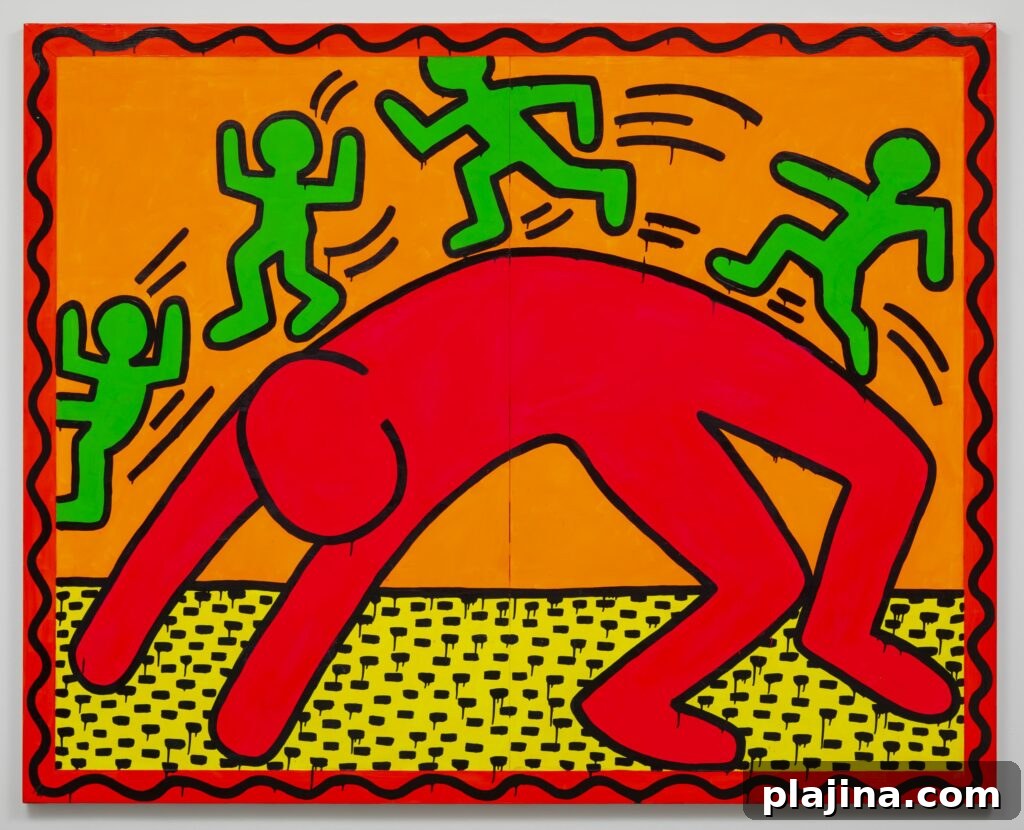
© Keith Haring Foundation
“Keith Haring’s global influence and enduring impact are profound, and The Broad is thrilled to bring our audience in Los Angeles this sweeping exhibition of his work,” said Joanne Heyler, founding director of The Broad. “We are pleased to present a deep and varied representation of his emblematic visual language and to highlight the ways he used art and activism to address social issues while celebrating joy, solidarity and community.”
Keith Haring: Art is for Everybody examines both his artistic practice and his life. Much of the exhibition’s source material comes from Haring’s personal journals. The works on view range from the late 1970s, when he was a student, through 1988, two years before his death from an AIDS-related illness at age 31.
The exhibition highlights Haring’s activism, including his involvement in nuclear disarmament and anti-Apartheid movements, alongside works that address enduring issues such as environmentalism, capitalism, technology, religion, sexuality and race. The final gallery includes major late-1980s works accompanied by posters that reflect the artist’s engagement with the HIV/AIDS crisis.
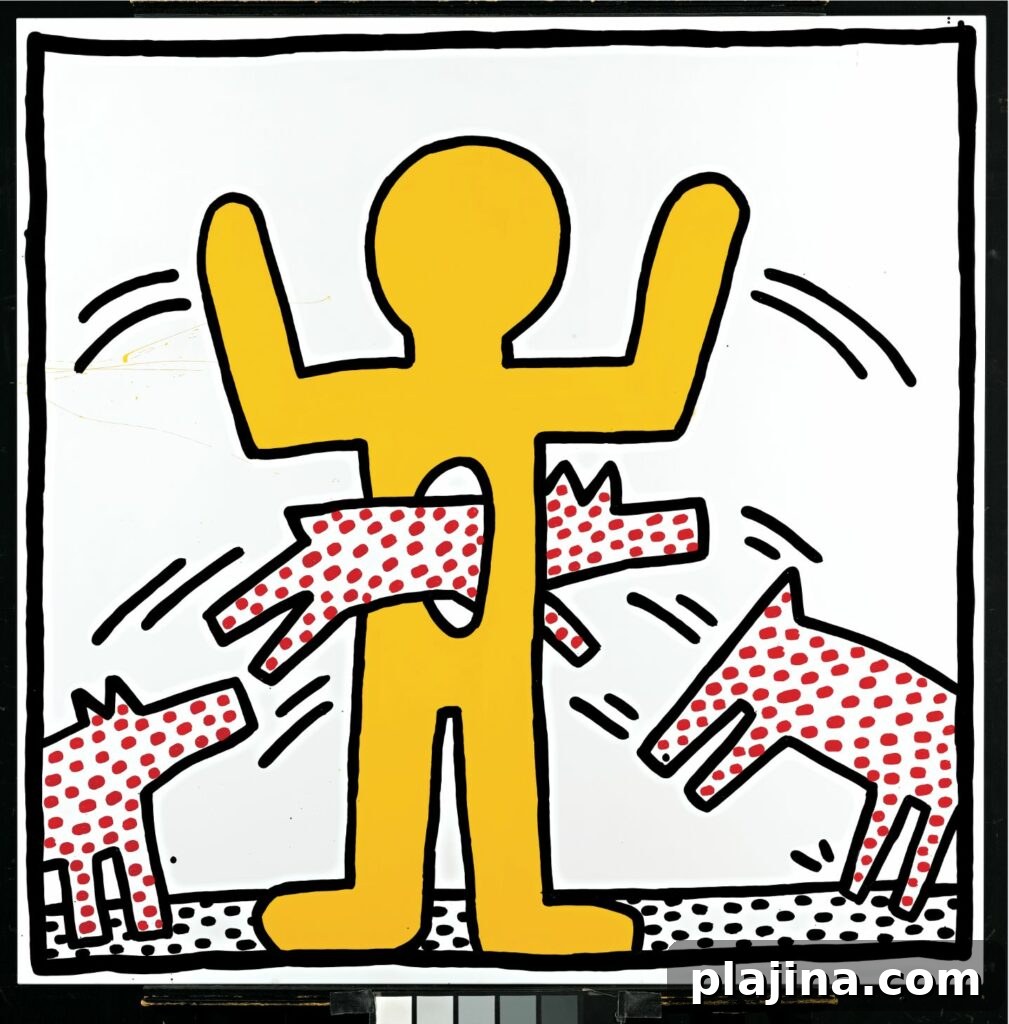
© Keith Haring Foundation
“Haring’s belief that art should be accessible to everyone is central to the exhibition and aligns with The Broad’s mission,” said Sarah Loyer, curator and exhibitions manager at The Broad. “This presentation offers visitors an in-depth look at Haring as both an artist and an innovator who reshaped contemporary art.”
Organized across ten galleries, the exhibition showcases the variety of media Haring worked in—video, sculpture, drawing, painting and graphic art—alongside examples of his extensive public practice, from subway drawings to large-scale murals.
Immersive elements include a blacklight-lit gallery paired with playlists curated by the artist. The Broad’s shop will be reimagined in the spirit of Haring’s Pop Shop, which opened in SoHo in 1986, offering an accessible retail experience that echoes Haring’s aim to make art available to a wide audience.
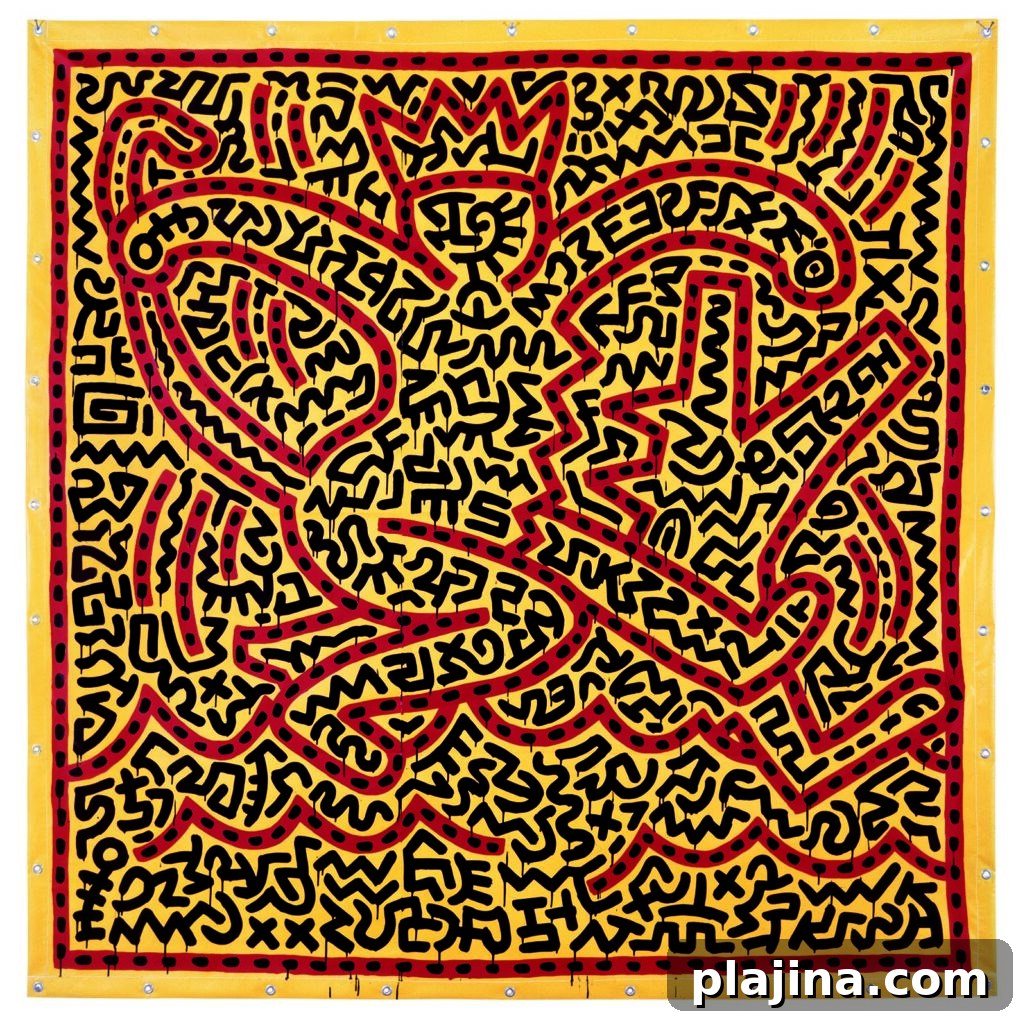
© Keith Haring Foundation
Also on view for free in The Broad’s third-floor galleries throughout the run will be works by Haring’s contemporaries, including Basquiat, George Condo, Jenny Holzer, Kenny Scharf and Andy Warhol, among others.
Tickets for the general public go on sale April 14 at 10 a.m. (PDT).
After its presentation at The Broad, Keith Haring: Art is for Everybody will travel to the Art Gallery of Ontario in Toronto and then to Walker Art Center in Minneapolis.