
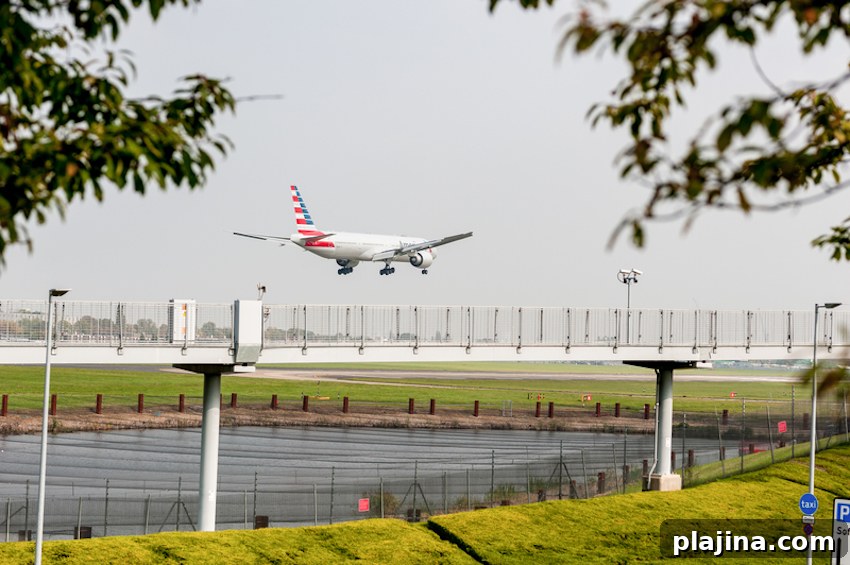
American Airlines operated its final propeller-driven flight, marking the end of an era that stretches back to the earliest days of commercial aviation.
According to reports, American Eagle Flight 4297, which departed Charlotte, North Carolina (CLT) for Salisbury, Maryland (SBY) on July 3, was the last non-jet service run by a major U.S. carrier. The short flight, lasting just over an hour and a half, used a Bombardier Dash 8-300 turboprop—an aircraft type once common on regional routes.
Other major U.S. carriers had already phased out propeller aircraft: Delta Air Lines and United Airlines retired their turboprops in previous years, while Southwest Airlines has always operated an all-jet fleet centered on the Boeing 737.
Industry observers note that American was the last of the large network carriers to maintain turboprop operations. The Cranky Flier blog attributes this partly to American’s legacy networks, including routes from its US Airways heritage, that serve numerous smaller communities. For those markets the Dash 8 struck a balance between operating economics and seating capacity.
However, the type’s service life was finite. As the Dash 8 aircraft aged, maintenance costs rose and parts became harder to source, making continued operation less practical. Ultimately, the combination of aging airframes and increasing upkeep expenses pushed American to retire its remaining turboprops.
Propeller-driven aircraft have not disappeared from U.S. skies entirely. Several regional and smaller carriers still operate turboprops, and Alaska Airlines continues to use them on certain short-haul and remote routes where their performance and efficiency remain advantageous.
The retirement of American’s turboprops closes a notable chapter in U.S. airline history: while jets dominate the mainstream network, turboprops played a crucial role in connecting smaller communities and shaping the regional aviation landscape for decades.