
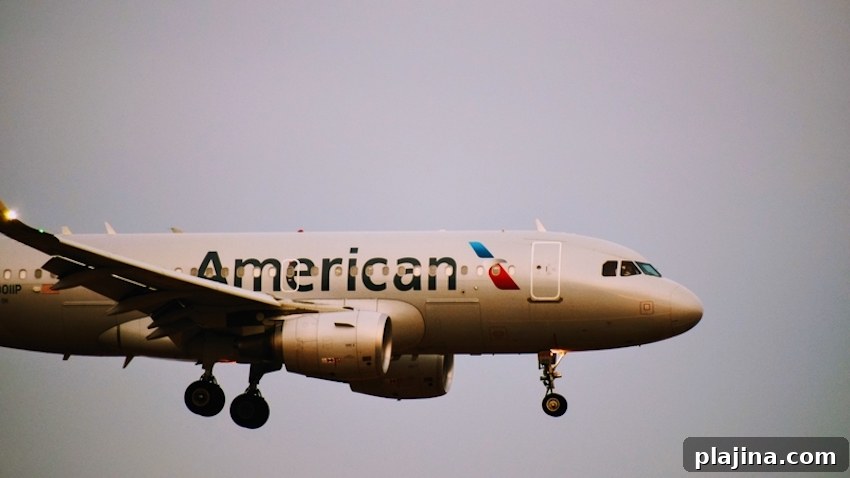
American Airlines and Dallas Fort Worth International Airport have announced plans for a new sixth terminal at the carrier’s primary hub. The airport has committed to invest up to $3.5 billion to fund construction of the new Terminal F and upgrades to Terminal C. Terminal F is planned for land south of the existing Terminal D and could accommodate as many as 24 additional gates.
“The new Terminal F and the expansion that could follow will provide the region with the growth it needs to compete with international business centers. The Airport is growing faster than ever, and it needs to keep pace with the Dallas–Fort Worth economy to provide jobs and connections for businesses and families,” said Sean Donohue, CEO of Dallas Fort Worth International Airport.
Doug Parker, CEO and chairman of American Airlines, called the announcement an exciting moment for the airline and its more than 31,000 team members based in Dallas–Fort Worth. “DFW is American’s largest hub and a central gateway to our extensive international and domestic network. The plans we’re announcing will allow for the continued growth of DFW and ensure the airport remains a premier gateway for American for many more years to come,” he said.
Terminal C, originally constructed in 1974, will receive upgrades to align its facilities with those completed in Terminals A, B and E during the 2018 renovation cycle. Planned improvements include redesigned check-in areas, larger security checkpoints, expanded concessions, and updated lighting and flooring to modernize the passenger experience and improve operational flow.
The proposed Terminal F and Terminal C renovations are expected to enhance capacity and customer service at one of the nation’s busiest airport hubs. By increasing gate availability and modernizing older facilities, the project aims to support future passenger growth, strengthen DFW’s competitiveness among international and domestic gateways, and create construction and airport-related employment opportunities in the region.
Airport and airline officials emphasized that the investment reflects broader economic trends and demand in the Dallas–Fort Worth area. As air travel rebounds and global connections expand, the additional gates and upgraded terminal services should help reduce congestion during peak travel periods, streamline security and check-in processes, and broaden retail and dining options for travelers.
While timelines and final design details have not been released, the investment commitment signals a major infrastructure initiative for the airport. The new terminal’s location south of Terminal D positions it to integrate with existing operations while providing room for future growth. Updates on the schedule, gate layout and phased construction plans are expected as project planning progresses.
Overall, the project represents a significant step in preparing Dallas Fort Worth International Airport for continued passenger growth and evolving travel needs, reinforcing its role as a major aviation hub for both domestic and international service.