
Explore one of the world’s newest UNESCO-designated biospheres with Ecuador’s Tropic Journeys in Nature. The award-winning tour company, founded in 1994, guides travelers through some of the country’s most captivating landscapes, including the newly recognized Macizo de Cajas biosphere.
“It is gratifying when a prestigious organization like UNESCO recognizes what we’ve known for years: the ecological and cultural importance of this region,” said Jascivan Carvalho, owner of Tropic Journeys in Nature.
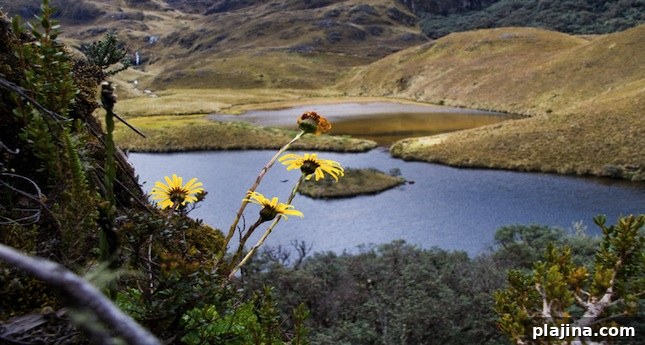
The Macizo de Cajas region encompasses roughly 232 lakes scattered across nearly 4,000 square miles, spanning four provinces—Azuay, Cañar, Guayas and El Oro. This diverse area includes protected sites such as Cajas National Park and the Quimsacocha wetlands, as well as adjacent coastal zones that contribute to its ecological richness.
With this designation, Macizo de Cajas joins Ecuador’s other UNESCO biospheres, including Podocarpus-El Cóndor, Yasuni, Sumaco and the Galápagos Islands, highlighting the country’s exceptional biodiversity and commitment to conservation.
Tropic Journeys in Nature offers immersive experiences that emphasize sustainable travel, local culture and the unique highland and páramo ecosystems characteristic of the Macizo de Cajas. Their guided routes allow visitors to encounter dramatic mountain scenery, abundant birdlife and traditional communities that have long coexisted with these landscapes.
Visiting the Macizo de Cajas provides opportunities for gentle hikes, birdwatching, photography and learning about conservation efforts that protect fragile habitats and water sources. The lakes and wetlands of the region play a critical role in regional hydrology, supporting both wildlife and nearby human communities.
For travelers seeking to combine natural beauty with responsible tourism, the new biosphere designation makes Macizo de Cajas a compelling destination. It reflects both international recognition and ongoing local initiatives to preserve the area’s ecosystems while promoting sustainable development for residents and visitors alike.
You may also be interested in:
Quito: Heart of History
Galápagos: Untouched by Time