
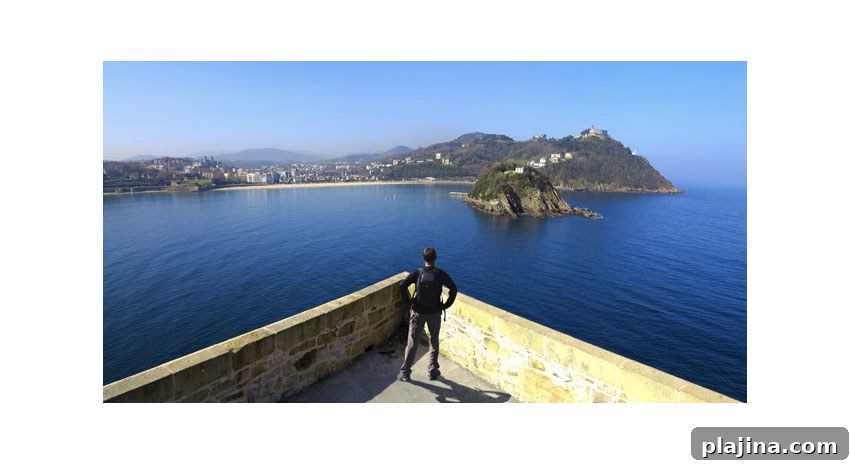
There was a time not so long ago when the Basque region, straddling the border between northern Spain and France, was better known for separatist unrest than for tourism. Today the area has transformed into a sought-after destination thanks to its dynamic culinary scene, picturesque towns and cities, and deeply rooted local traditions that attract visitors eager to go beyond typical stops like Barcelona and Paris.
Locals are welcoming but intensely proud of their Basque identity, and Euskara, the Basque language, reflects that distinctiveness. Street and building names may appear in two languages—Spanish or French and Euskara—which can puzzle first-time visitors. Many Basques are bilingual, and in the more touristed areas hospitality workers often speak English as well.
Basque Country covers roughly 8,000 square miles, mostly in Spain, so when planning an itinerary it’s wise to concentrate on a few highlights rather than attempting to see everything at once.
Bilbao is a standout. Once an industrial city, Bilbao surged into international prominence in the late 1990s after the opening of the Guggenheim Museum, designed by Frank Gehry. The museum’s bold, sculptural architecture—an interplay of titanium, glass and stone—became an instantly recognizable icon and helped spark a cultural and economic revival across the city. The Guggenheim is best appreciated from the Zubizuri footbridge over the Nervión River. Its exhibitions rotate frequently and have featured major contemporary artists.
From the Guggenheim it’s easy to explore Casco Viejo, Bilbao’s Old Town, where bars and taverns line Plaza Nueva and serve pintxos, the Basque answer to tapas. Other local attractions include the gothic St. James Cathedral, known for its stained-glass windows, and the Arenal gardens beside the river.
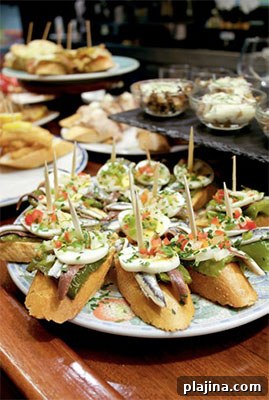
Pintxos from San Sebastián © HANMON | DREAMSTIME.COM
San Sebastián, on the Bay of Biscay, is another essential stop. Renowned for beaches like Playa de la Concha and Playa de Ondarreta, the city is also a culinary capital with numerous pintxos bars and upscale restaurants. Wine lovers can pair local vintages with inventive dishes, and hikers will enjoy panoramic views from Mount Urgull, home to La Mota Castle, historical fortifications, and a large Sacred Heart statue.
Pamplona is famous worldwide for the running of the bulls during the San Fermín festival each July, an event immortalized by Ernest Hemingway. Beyond the festival, Pamplona offers quieter attractions such as a 14th-century Gothic cathedral and expansive parks that invite leisurely exploration.
The Spanish Basque Country is also synonymous with Rioja wines. Visitors can sample these wines independently or join organized tastings and vineyard tours departing from cities like Bilbao and San Sebastián. Laguardia, a medieval walled village, is a highlight for wine enthusiasts, offering numerous wine bars and recently uncovered ancient ruins beneath the town.
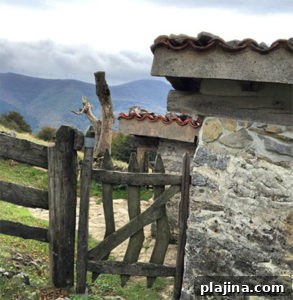
Basque countryside © FELICITY LONG
For those seeking spiritual reflection or scenic walking routes, El Camino Ignacio stretches about 430 miles from the medieval town of Loyola in the Basque Country to Manresa in Catalonia. It serves as an appealing alternative to the more crowded Camino de Santiago and can be walked in sections; the entire pilgrimage takes roughly a month and winds through some of the region’s most attractive, though hilly, landscapes.
On the French side, known in Euskara as Iparralde, the Basque character continues in charming towns and coastal resorts.
Bayonne, the capital of the French Basque Country, sits at the meeting point of the Nive and Adour rivers and has roots stretching back centuries. Today Bayonne is prized for its gastronomy—especially chocolate and fresh oysters—alongside architecture from multiple eras and museums that chronicle the region’s history, such as the Basque and History of Bayonne Museum, which displays artifacts that help explain the cultural evolution of the French Basque people.
Biarritz combines seaside glamour with surf culture. The town’s dramatic Rock of the Virgin anchors the shoreline, and visitors can climb nearly 250 steps to reach the Phare de Biarritz lighthouse for sweeping views. Architecture lovers will appreciate the Art Nouveau Gare du Midi, now used for concerts, and the Eglise St. Martin, which hosts an annual festival celebrating regional gastronomy and dance.
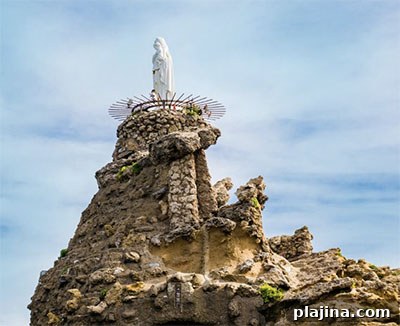
The statue of the Virgin Mary atop the Rock of the Virgin Mary, Biarrtiz © ALAN GARDINER | DREAMSTIME.COM
Basque Country Info to Go
In Spain, Bilbao Airport is the most convenient entry point to the region, located less than six miles from the city and served by major international carriers. A regular bus connects the airport to downtown stops every half hour for a small fare. Car rentals and taxis are readily available.
In France, Biarritz Pays Basque Airport handles flights from several European carriers. Buses run to Biarritz’s main train station, and taxis offer a straightforward option to reach central Biarritz or Bayonne.
Where to Stay in Basque Country
HOTEL CARLTON — A five-star, 141-room hotel in Bilbao recently renovated and known for Basque cuisine and tapas. Plaza Federico Moyúa 2, Bilbao, Spain.
HÔTEL DU PALAIS IMPERIAL RESORT & SPA — A grand seaside hotel in Biarritz dating to the Napoleonic era, offering gourmet dining, pools and family amenities. Ave. de l’Impératrice 1, Biarritz, France.
HOTEL MARQUÉS DE RISCAL — A 43-room Luxury Collection hotel designed by Frank Gehry, notable for its striking exterior inspired by the surrounding vineyards. Calle Torrea, Elciego, Spain.
Restaurants in Basque Country
AÑOTA CIDER HOUSE — Traditional Basque specialties paired with house-brewed hard cider served from massive barrels. Barrio Elosiaga 434, Azpeitia, Spain.
HOSPEDERIA LOS PARAJES CALADO WINE CELLAR — A boutique hotel with atmospheric dining in a 16th-century wine cellar, ideal for Rioja tastings. Calle Mayor 46-48, Laguardia, Spain.
LE KAIKU — A historic, Michelin-recognized restaurant in Saint-Jean-de-Luz offering refined regional cuisine. Rue de la République 17, Saint-Jean-de-Luz, France.