
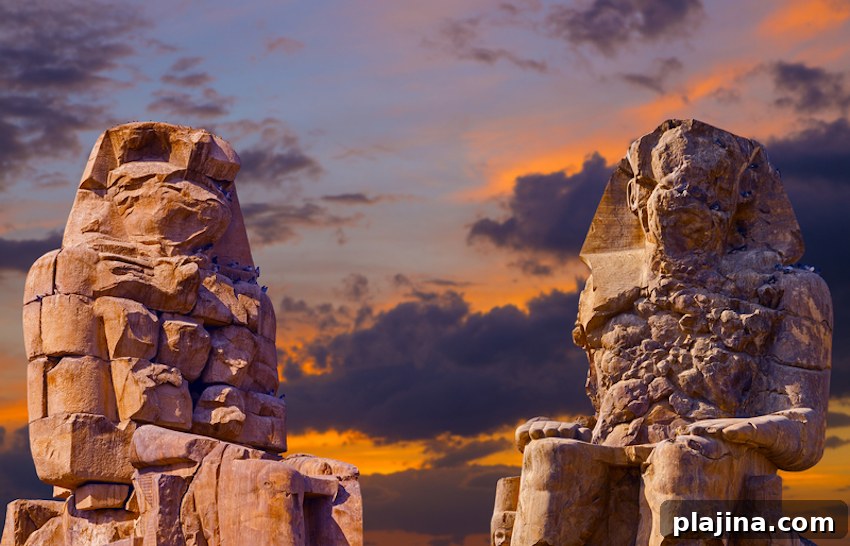
On World Heritage Day this year, April 18, the Egyptian Ministry of Antiquities announced a significant archaeological find: a large, 3,500-year-old tomb on the West Bank of the Nile at Luxor.
The tomb, which features 18 entrances, is thought to possibly belong to Shedu Djehuty, a prince who served under King Thutmose I. Its size and complexity make it one of the largest tombs recently uncovered at the site.
Inside the tomb, archaeologists found numerous shabti figures — small funerary statuettes intended to serve the deceased in the afterlife. These finds add important detail to our understanding of burial practices and the material culture of the period.
Speaking at the tomb’s inauguration, Rania al‑Mashat, Egypt’s minister of tourism, noted a rise in inbound tourism, especially from countries in Asia, highlighting renewed international interest in Egypt’s heritage sites.
During the World Heritage Day events, officials also unveiled a new statue installation of Ramses II at Luxor Temple on the East Bank, complementing the celebrations and drawing attention to the ongoing preservation and presentation efforts at Luxor.
Discoveries like this tomb reinforce Luxor’s reputation as an unparalleled archaeological landscape and provide fresh opportunities for research, conservation and sustainable tourism. As excavations continue, specialists will study the tomb’s architecture, inscriptions and artifacts to better determine its owner, date and the social and religious context of the burial.
Preservation of the newly unearthed material will be a priority, with conservators assessing the condition of the shabti figures and other finds to plan appropriate conservation treatments. Documentation, including detailed photography and recording of the tomb’s layout, will support both scholarly study and public outreach.
Beyond the immediate academic value, the discovery contributes to Egypt’s cultural tourism narrative. Exhibitions, site interpretation and educational programs can introduce visitors to the rich history of the New Kingdom period, when rulers such as Thutmose I and Ramses II shaped monumental architecture and funerary traditions.
Local and international teams are expected to collaborate on further analysis, using both traditional archaeological methods and scientific techniques such as material analysis and radiocarbon dating where applicable. Those efforts aim to place the tomb and its contents within a clearer chronological and historical framework.
As the tomb becomes part of Luxor’s documented heritage, careful site management will be essential to balance visitor access with conservation needs. Continued investment in infrastructure, site security and interpretive materials will help ensure that new discoveries benefit both scholarship and the local economy while safeguarding fragile archaeological resources for future generations.