
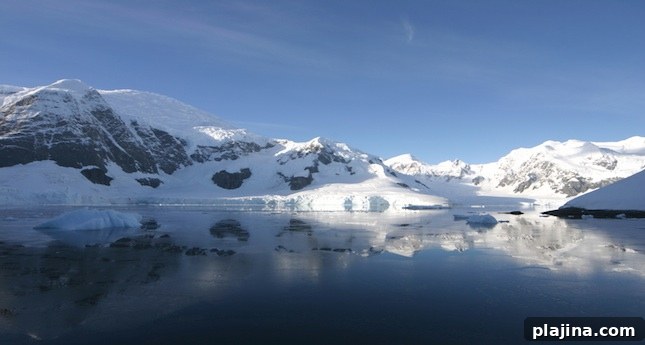
Oceanwide Expeditions has announced two new Antarctic voyages for 2017 that open access to some of the most remote and dramatic locations in the Ross Sea region. Both departures are aboard the ice-strengthened exploration vessel Ortelius, which is equipped to operate safely in heavy ice and will carry helicopters to extend landing options and provide aerial perspectives of the polar landscapes. One itinerary sails from South America southward along the Antarctic Peninsula, crosses the Polar Circle, and then continues west toward volcanic Peter I Island before threading the Bellingshausen Sea along the ice edge into the Ross Sea. From there the itinerary visits historic Ross Island sites, scientific stations and other continental highlights before calling at the sub-Antarctic Campbell Island; the 32-day voyage concludes in New Zealand. A second departure follows the same route in reverse.
These expeditions are designed for travelers who want to experience rarely visited areas of Antarctica and its neighboring islands. Highlights include a landing at Peter I Island, an isolated volcanic island that few vessels reach due to its remote position and challenging sea ice. The voyages also visit Ross Island, where the historic huts used by British explorers Ernest Shackleton and Robert Falcon Scott still stand as powerful reminders of early heroic-era exploration. Guests will have opportunities to view McMurdo Station—the largest permanent research station on the continent—and to explore the Dry Valleys, a unique polar desert whose extreme cold, dryness and exposed soils are often compared to conditions on Mars.
Alongside the continental landings, the itinerary includes a visit to Campbell Island in the sub-Antarctic, an important breeding ground for seabirds including Southern Royal Albatrosses. Campbell Island offers a starkly different environment from the continental ice: windswept tundra, peatlands, and a rich marine ecosystem that supports many species of seabirds and marine mammals. The combination of Antarctic and sub-Antarctic stops makes these expeditions appealing to travelers interested in natural history, scientific research sites, and the full spectrum of southern polar environments.
The use of helicopters from the Ortelius gives expedition leaders flexibility to access landing sites that might otherwise be unreachable because of sea ice or weather, and enables aerial viewing of glacier fronts, ice shelves, icebergs and wildlife aggregations. Helicopter-supported landings expand the possibilities for wildlife encounters and photographic opportunities while maintaining careful environmental protocols to minimize disturbance to fragile polar ecosystems.
Passengers on these voyages can expect expedition-style programming led by experienced polar guides. Typical activities include guided shore landings, zodiac excursions along ice edges and coasts, and on-board lectures covering Antarctic history, geology, glaciology, and wildlife. The presence of historic huts on Ross Island offers a rare chance to connect with the human history of Antarctic exploration, while contemporary research stations like McMurdo highlight ongoing scientific work in the region.
Safety and environmental responsibility are central to operations in these remote waters. The ice-strengthened hull of the Ortelius, experienced polar crew, and careful route planning help manage the challenges of navigating sea ice and unpredictable weather. Expedition staff follow established conservation guidelines to reduce impacts on wildlife and sensitive sites, including limiting group sizes during shore visits and maintaining appropriate distances from nesting or breeding animals.
These Ross Sea voyages appeal to travelers seeking a comprehensive Antarctic experience that combines adventure, natural history, and historical perspective. From the dramatic volcanic cliffs of Peter I Island to the barren, otherworldly Dry Valleys and the rich seabird colonies of Campbell Island, the itinerary covers a wide range of environments and experiences that are seldom visited on standard Antarctic cruises. By offering both a southbound and reverse departure, Oceanwide Expeditions provides options for travelers to choose the direction that best fits their schedules while ensuring the same suite of rare destinations.
Prospective participants should plan for a full expedition rhythm that includes time at sea, variable weather conditions, and the possibility of itinerary adjustments based on ice and weather. Packing appropriate cold-weather gear, following expedition guidelines, and being prepared for active daily programs will help ensure a rewarding experience in one of the planet’s most remote regions.