
PHOTO: © IVANSABO | DREAMSTIME.COM
Consistently the wealthiest country in Central America, Panamá built much of its early economic strength on services tied to the Panama Canal and on using the U.S. dollar as legal currency, which has long supported international business. Today the Canal remains important, but Panama City’s modern identity has broadened far beyond that single asset. The downtown skyline of coastal skyscrapers—among the tallest concentration in Latin America—creates a striking contrast with the city’s natural surroundings and the colonial neighborhoods that preserve its history.
Many of Panama City’s best experiences lie just outside the urban core: hiking trails, water sports and visits to indigenous communities are all accessible through short excursions. To explore the full variety the region offers, allow around 10 days, though a shorter trip can still cover several highlights—and it’s often easy to fit sightseeing into a business itinerary.
Although the U.S. dollar is widely used and American influence is visible, English is not universally spoken outside the business district, and local Spanish includes regional expressions you may not have learned in school. If you’re uncomfortable with language barriers, private guides are readily available and can greatly enhance neighborhood tours and cultural visits. That said, Panamanians are welcoming, and the city is well set up for both tourists and business travelers.
CHECKING IN WITH FERNANDO FONDEVILA
CEO, PROMTUR Panamá
What are the most exciting cultural changes underway in Panama City right now?
Panamá has always been a crossroads for people, commerce and ideas. From pre-Columbian societies through Spanish colonial times and waves of migration since, the country reflects a rich blend of indigenous, African and European influences. That cultural convergence creates a vibrant environment for travelers searching for genuine, stimulating experiences. In Panama City specifically, modern urban life and cosmopolitan energy have grown over the last decade while remaining connected to ancestral traditions, offering a distinctive and layered travel experience.
© AURELIO TAMAYO | DREAMSTIME.COM
How does that cultural mix show up for visitors?
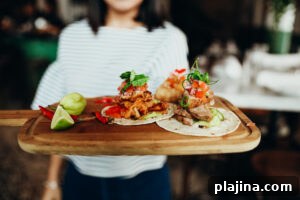
Visitors will notice it in neighborhoods like Casco Antiguo and Panamá Viejo, both recognized for their cultural and historical value, standing alongside a contemporary skyline that highlights the city’s business growth. Panama City was also designated a Creative City of Gastronomy, reflecting the multicultural culinary influences that shape its food scene. Dining here can feel like a world tour: every restaurant and street stall offers flavors born from centuries of cultural exchange.
Which industries are driving growth in Panama City?
One key sector is convention and conference tourism, which has expanded rapidly. The city now offers modern infrastructure to host large events, including the Panama Convention Center, which can accommodate thousands of visitors. A broad selection of hotels and restaurants supports diverse needs and helps business travelers combine work with cultural immersion.
How does the convention industry boost broader tourism?
Conventions introduce new visitors to what Panamá offers beyond the meeting room. A satisfying business event experience often inspires attendees to return for leisure, boosting sustainable tourism and local economic growth. The strategy is to offer attractive professional events alongside memorable cultural and recreational options so visitors come back for longer stays.
As a skyscraper capital, how does Panama City attract international business?
PROMTUR Panamá is promoting the Panama Association Hub, a regional initiative to attract international associations and organizations to establish operations here. As the first association center of its kind in Latin America, and the only Latin American partner of the International Congress and Convention Association, Panama City has positioned itself as a gateway for meetings, innovation and knowledge exchange across Latin America and the Caribbean.
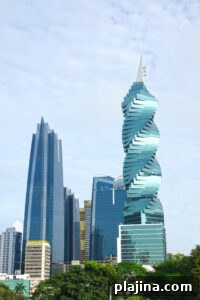
PHOTO: © GUALBERTO BECERRA | DREAMSTIME.COM
DIVERSIONS
No visit to Panamá is complete without seeing the Panama Canal. The Miraflores Locks visitor center, about 20 minutes from the city, offers one of the best viewpoints and is reachable by car, rideshare or bus. Within the city, Casco Viejo delivers cobbled streets, plazas and colonial architecture ideal for walking and photography, while modern structures such as the twisting El Tornillo tower showcase the city’s contemporary ambitions.
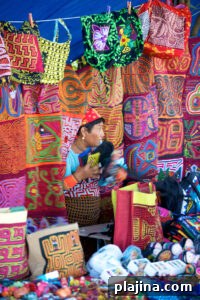
Panamá is home to seven indigenous groups. Visiting an Emberá village provides an authentic cultural encounter: guided excursions often feature traditional dances, communal meals prepared by village hosts and optional canoe trips to nearby rivers and waterfalls led by Emberá guides. These communities preserve ancestral practices in governance, housing, education and the arts—woven textiles, wood carving and other crafts are meaningful souvenirs and support local artisans.
LODGING
Hotel La Compañía
This Unbound Collection property in Casco Viejo occupies a landmark building with wings that date to the 17th century. It blends historical character and contemporary design for a refined stay.
Av. A y Calle 8, Panama City
$$$$
The Santa Maria
A Luxury Collection resort outside the city center, The Santa Maria features a full-service spa and a Jack Nicklaus-designed golf course, making it a popular choice for leisure stays.
Calle 125 Este, Urbanizacion, Panama City
$$$$
Sofitel Legend Casco Viejo
Housed in an elegant historic building in Casco Viejo, this Sofitel location offers modern amenities and waterfront rooms with skyline views across the bay.
Calle 1a Oeste, Panama City
$$$$
DINING
Angel Restaurante
Known for seafood with strong Spanish influences, Angel is a favorite for both business and leisure dining and offers private dining spaces for groups.
XFQF + J72, Vía Argentina, Panama City
$$$–$$$$
Gauchos Steak House
A relaxed atmosphere and serious emphasis on quality beef make Gauchos a popular steakhouse. Non-meat options are also available for diverse tastes.
Calle Uruguay esquina Calle 48, Panama City
$$$
Restaurante Maito
Maito combines local ingredients and traditional inspiration with creative techniques and is regularly recognized among Latin America’s top restaurants—an essential reservation for fine dining in the city.
Calle 50, Panama City
$$$
COMING AND GOING
U.S. citizens should travel with a passport valid for at least six months from arrival, proof of sufficient funds (a credit card is generally accepted) and a return ticket departing Panamá.
OFFICIAL LANGUAGE: Spanish
JUST THE FACTS
Time zone: GMT-5 (no Daylight Saving Time)
Phone code: Country Code: 507
Currency: Panamanian balboa and U.S. dollar
Key industries: Banking, insurance, container ports, tourism
INFO TO GO
Tocumen International Airport is the regional hub for Copa Airlines and, as the largest airport in Central America, connects the region to more than 65 cities across the Americas and Europe. There are direct flights from multiple U.S. gateways. Driving in Panama City is generally straightforward and car rentals are available at the airport. Ride-share services and taxis operate throughout the city; pickup points are located across from the Arrivals terminal in the parking area.