
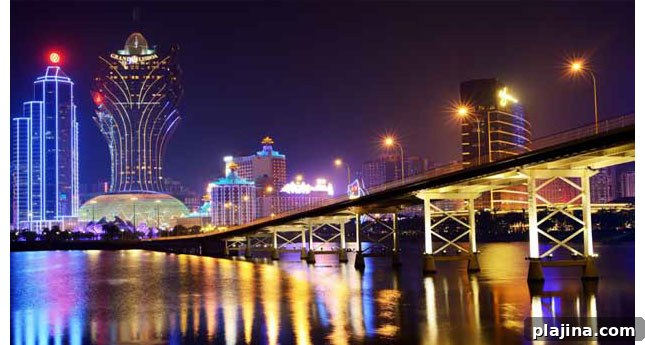
Macau can be an intense sensory experience. Between the steady flow of people, the casinos, and the neon-lit entertainment district, it’s easy to wonder where to begin. You may not have time to see everything, but you can still reach the core of Macau relatively quickly — and a great way to do that is through its cuisine.
Macau’s culinary identity is the result of centuries of cultural exchange. Initially a Chinese port, Macau became a Portuguese trading post in the 16th century and later came under full Portuguese administration. The mingling of Chinese and Portuguese influences created Macanese cuisine, a distinctive fusion that reflects both traditions.
Start your day exploring the Old Christian City, a UNESCO World Heritage site since 2005. Key highlights include the Ruins of St. Paul, Senado Square, and Saint Dominic’s Church. After taking in these historical landmarks, head to Litoral Restaurant for a traditional Macanese lunch. Founded by Manuela Ferreira, Litoral helped bring Macanese cuisine into the public spotlight and remains highly regarded. Dishes such as baked duck rice, baked crabmeat, and African chicken demonstrate the island’s flavorful blend of ingredients and techniques. Save room for the biscuit mousse for a sweet finish before you continue your afternoon.
In 1999, Macau’s colonial era formally ended when sovereignty was transferred to the People’s Republic of China, and Macau became a Special Administrative Region. To mark the handover, the 56 ethnic groups of China presented representative gifts to Macau. These culturally rich offerings are displayed at The Handover Gifts Museum, a compact but rewarding stop for an hour of browsing. Nearby, the Macau Art Center offers additional cultural exhibits and programming for visitors interested in local and contemporary art.
When evening arrives, dining options in Macau are abundant: authentic Chinese, traditional Portuguese, Macanese fusion, and a wide selection of international fine-dining restaurants. No visit to Macau is quite complete without a classic Portuguese egg tart, and for many the best place to enjoy one is Lord Stow’s Bakery in Coloane. Since 1989, Andrew Stow has refined his recipe for the pastel de nata, earning recognition from the Macau government for his contributions to tourism. A warm egg tart from Lord Stow’s makes for a satisfying finale to a day of exploration.
Whether you’re tracing Macau’s layered history through its architecture or discovering its culture through food, spending time sampling local specialties offers a memorable, authentic glimpse into the city’s unique character. Taste, history, and hospitality combine to make Macau a compact destination with plenty to offer every traveler.