
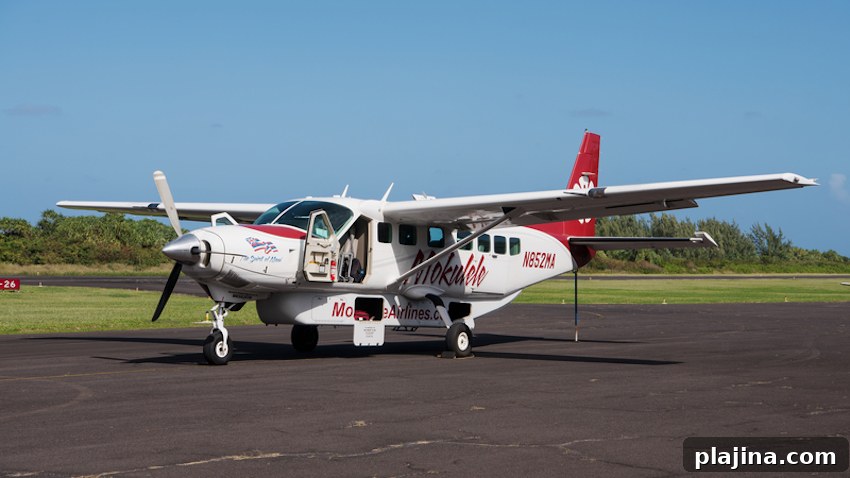
With hybrid electric cars already on the roads, could aircraft be next to adopt this greener technology? A regional carrier in Hawai‘i is testing that idea, aiming to bring hybrid-electric aviation into short-haul commercial service.
Mokulele Airlines has teamed up with Los Angeles–based aircraft design firm Ampaire to trial a hybrid-electric conversion of a small passenger plane, according to The Associated Press. Ampaire is modifying a Cessna 337 to operate with a battery-assisted, hybrid-electric propulsion system, Maui Today reported.
“When our first prototype aircraft flies in the first half of this year, it will be the first aircraft in its weight class/size — it’s a six-seat passenger plane — to fly in an electrified configuration,” said Brice Nzeukou, product manager at Ampaire. “When we bring it to Maui, it should be the first time that an aircraft of that type has been used in a mock commercial setting.”
The converted Cessna 337 will be tested on a short inter-island route, flying a 28-mile hop between Kahului Airport in Central Maui and Hana Airport on the island’s east side. Mokulele already operates the route with conventional aircraft; the hybrid test flights are expected to take about 15 minutes each way.
The trial aims to evaluate how hybrid-electric propulsion performs in routine commercial operations on short routes, where reduced emissions, lower fuel consumption, and quieter engines could offer clear benefits. If successful, the project could provide practical data and operational experience to help scale hybrid-electric technology for similar regional services.
Converting existing airframes like the Cessna 337 enables engineers to test systems and procedures without waiting for entirely new aircraft designs. This approach helps identify technical, logistical, and regulatory challenges while demonstrating real-world performance on active routes. For island-hopping services with frequent short flights, hybrid-electric systems may present an efficient stepping stone toward broader electrification of regional aviation.
As the project progresses, test flights will show how the hybrid configuration handles routine operations such as takeoff, climb, cruise, descent, and landing on short routes. The hope is that data from these flights will inform future certification steps and help airlines and regulators understand the operational and economic trade-offs of hybrid systems.
While widespread adoption of electric or hybrid aircraft will take time—requiring advancements in battery energy density, charging infrastructure, and certification processes—demonstration projects like this one in Hawai‘i are important early steps. They give operators a chance to assess benefits and limitations in real operational contexts and to build the case for further development.