
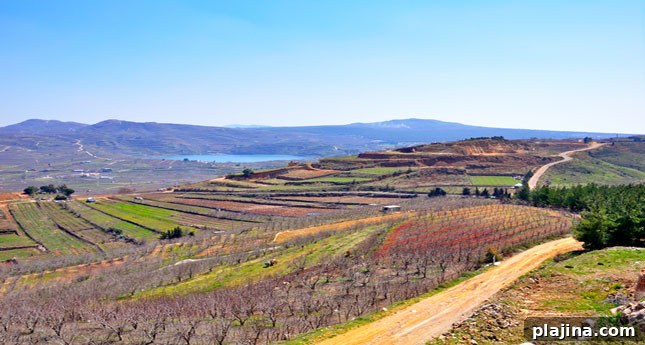
WWOOF Israel is a growing voluntourism network that connects volunteers with almost 100 agricultural and farming hosts across the country. The initiative is gaining popularity among travelers and locals who want hands-on experience with sustainable agriculture and rural life.
WWOOF Israel traces its roots to a grassroots organic farming movement that began in England in 1971, created to give urban residents a chance to reconnect with nature. That original concept inspired independent WWOOF groups around the world; each operates under its own local guidelines while sharing the common goal of promoting organic farming, education and cultural exchange.
Volunteers with WWOOF Israel participate in practical, skill-building programs covering a wide range of activities: permaculture, organic gardening, green building techniques, cheese and wine production, and animal care. Stays typically range from one week to three months, and participants can choose from more than 80 farms and host families distributed throughout the country, from rural communities to small-scale ecological projects.
The program emphasizes mutual learning: hosts offer accommodation and meals in exchange for volunteer labor, while volunteers contribute time and effort and learn about local agricultural practices, seasonal cycles and sustainable living. This model fosters close connections between visitors and host communities, supports local food systems, and provides immersive experiences that go beyond conventional tourism.
WWOOF Israel appeals to a wide variety of participants, including students, gap-year travelers, professionals taking a break, and anyone interested in permaculture or hands-on environmental work. Hosts vary in size and focus—some operate biodynamic farms, others run family gardens, community-supported agriculture projects, educational farms, or artisanal food producers—so volunteers can select placements that match their interests and skill levels.
Practical benefits for volunteers often include shared meals made from farm-grown ingredients, simple lodging, and opportunities to learn transferable skills such as composting, irrigation, seed saving, animal care, and small-scale food production. Many hosts also welcome help with workshops, farm open days, or hospitality tasks, giving volunteers insight into the daily realities of running a small agricultural enterprise.
Beyond the work itself, participants gain cultural insight by living and working in local communities. Volunteers encounter regional food traditions, language practice, and the rhythms of Israeli rural life, which can enrich travel experiences and inspire long-term interest in sustainable living and food systems.
Organizers and tourism officials note that WWOOF Israel offers a unique perspective on agriculture in the country and can attract travelers seeking meaningful, educational experiences. The program contributes to rural economies by bringing short-term labor and cross-cultural exchange, while promoting organic methods and environmental awareness.
Those interested in joining WWOOF Israel should research host profiles and expectations, clarify work schedules and accommodation arrangements, and respect host rules and local customs. With thoughtful preparation and a cooperative attitude, volunteers can expect a rewarding, hands-on stay that combines learning, community, and the chance to contribute to sustainable farming practices in Israel.