
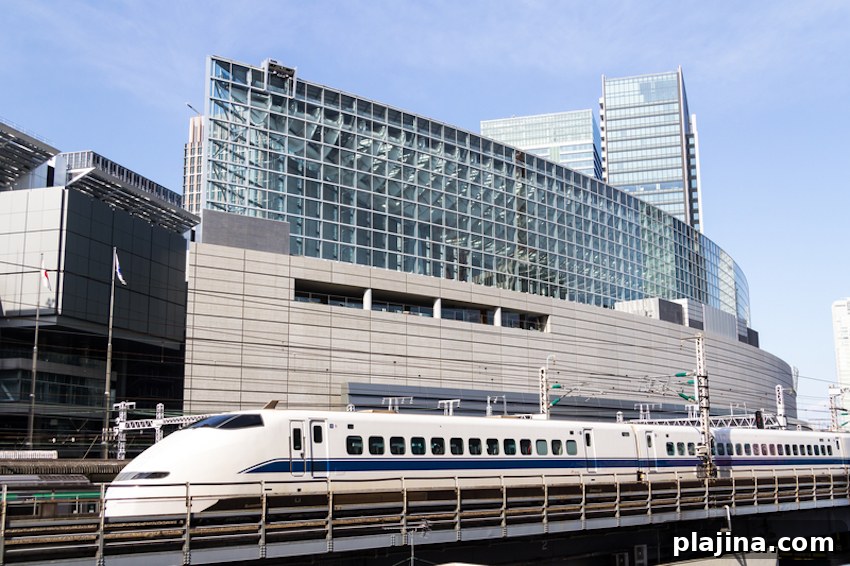
Although airplanes dominate when it comes to the fastest way to travel, high-speed trains across Europe and Asia offer a compelling alternative for long-distance journeys. Modern rail services combine comfort, city-center-to-city-center convenience, and competitive travel times, making them an increasingly attractive option.
There is no single universal definition of a high-speed train, but trains that routinely exceed 160 mph (approximately 260 kph) on dedicated lines are commonly classified as high-speed. The first generation of these trains emerged in the mid-1960s and were often nicknamed “bullet trains.” Since then, rail technology and infrastructure have advanced significantly, raising speed, efficiency, and passenger comfort.
Japan is home to some of the world’s fastest trains, including maglev (magnetic levitation) prototypes and test vehicles. Maglev technology uses powerful superconducting magnets to levitate the train above the guideway at speed, eliminating wheel-rail friction. At low speeds the vehicle may rest on wheels, but once it reaches a certain threshold — roughly 93 mph (150 kph) in early systems — magnetic lift takes over and raises the train a few inches above the track. This reduction in friction allows for much higher top speeds and smoother rides.
Maglev development in Japan dates back several decades. Superconducting magnets and related systems were under study as early as the 1970s, and incremental improvements over time have raised achievable speeds. In 2015, a Japanese maglev prototype reached 375 mph (603 kph), setting a land speed record for railed vehicles and demonstrating the promise of the technology for future intercity travel.
Rail industry observers and technology developers expect even higher speeds as maglev systems and conventional high-speed rail continue to benefit from advances in materials, aerodynamic design, propulsion, and signaling. As infrastructure expands and cost efficiencies improve, these faster rail options could become more widely available to the traveling public.