
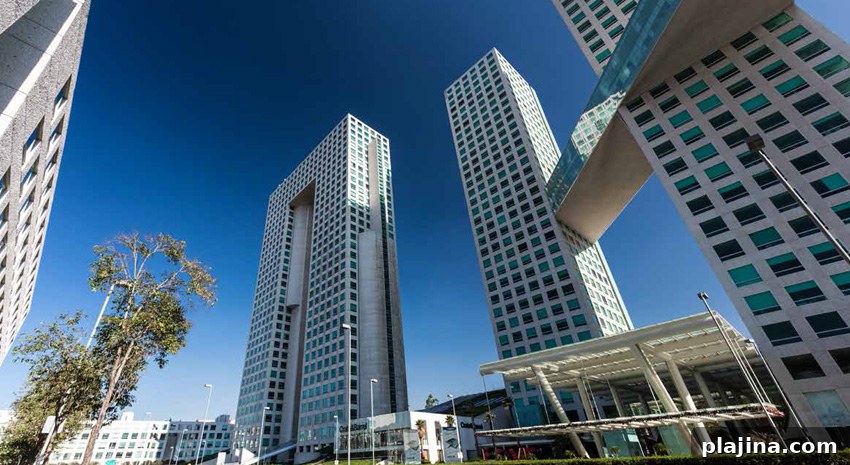
By 7 a.m. on weekday mornings, most of the roughly 22 million people in the vast and densely populated Mexico City metropolitan area are already on the move, commuting to work by crowded buses, Metro trains and suburban rail lines. Some 10 million personal vehicles clog highways and side streets daily, while, on clearer days, executives fly to rooftop helipads on downtown skyscrapers.
Although celebrated for its museums and increasingly for contemporary architecture—Mexico City was named World Design Capital 2018—this sprawling metropolis remains fundamentally a working-class city. With a gross domestic product exceeding $415 billion, it is one of the largest urban economies in the world, contributing about 22 percent of Mexico’s national GDP. If treated as a country, Mexico City would rank among the largest economies in Latin America, comparable in size to Peru’s and far larger than Costa Rica’s.
As the oldest capital city in the Americas, founded by the Aztecs in 1325 on an island in ancient Lake Texcoco and later occupied by Spain, the city continues to transform. Until recently it was known domestically as DF (Distrito Federal). Today the area of nearly 9 million residents within official city limits is called Ciudad de México, or CDMX.
CDMX is enjoying a surge in business and tourism, driven by a strengthening urban economy, global interest in Mexican interior design and architecture, and the revitalization of many colonias. As the municipal police force expanded to nearly 90,000 officers, crime—including the drug-related violence that once afflicted the region—declined, helping attract record visitor numbers. In 2016 nearly 30 million tourists arrived, a rise from the previous year, and hotel stays that year generated about $3.85 billion in economic impact.
Under Mayor Miguel Ángel Mancera, the city invested in new parks and industrial technology, launched a strict biannual vehicle emissions inspection program, and began reformulating gasoline and diesel fuels. Sustainable transport initiatives such as the Metrobús rapid transit system and the Ecobici bike-share program promote greener alternatives to private cars.
In December, Mexico City hosted the sixth biennial C40 Mayors Summit, welcoming mayors, sustainability leaders and corporate executives from major global cities. “It is no secret that in Mexico City we grapple with the twin problems of air pollution and traffic,” Mayor Mancera said at the Hilton Mexico City Reforma Hotel. “By expanding alternative transportation options like our Bus Rapid Transit and subway systems, while also investing in cycling infrastructure, we are working to ease congestion on our roads—and in our lungs.”
Political and business leaders in Mexico remain attentive to developments in the United States and their potential effects on cross-border trade and investment. During visits after recent U.S. elections, local business figures voiced concern about how changes in U.S. policy might affect Mexico’s growing but still delicate economy, concerns that were heightened when the peso dropped in value following political events.
At the moment, however, Mexico City’s momentum is clear. El Centro, the historic core, has undergone extensive restoration: elegant façades, newly pedestrianized shopping streets and a well-maintained public realm. As the city expanded over decades, wealthier residents migrated west, building grand homes in Polanco, Lomas de Chapultepec and Bosques de las Lomas and, more recently, developing Santa Fe into a major business district. Santa Fe now hosts corporate towers, luxury hotels and Centro Santa Fe, one of Latin America’s largest malls. International hotel brands operate there, and the Mexican stock exchange has a presence near expanding residential areas and university campuses in this edge city about 12 miles from downtown.
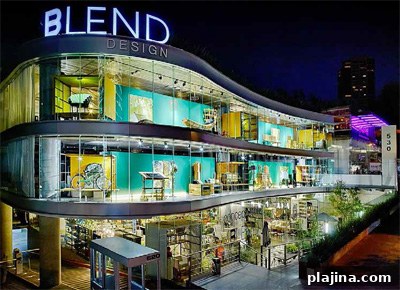
Blend Design concept store with designer products © ARACELI PAZ
Polanco has long supported high-end hotels, restaurants and mansions, and Nuevo Polanco has emerged as a vibrant development corridor. Avenida Presidente Masaryk in Polanco, with luxury boutiques, jewelers and fine dining, often draws comparisons to Beverly Hills’ Rodeo Drive. The Condesa and Roma Norte neighborhoods—among the trendiest near downtown—offer lively restaurants, music venues and late-night bars, drawing crowds on weekends. These neighborhoods are characterized by renovated Spanish colonial buildings, leafy parks with sculpted fountains, and design-led cafés, bars and boutique hotels.
Closer to the Reforma business district, La Juárez has added bars, galleries, restaurants and stylish hotels, while San Rafael retains a quieter, residential character with small theaters and cafés. About six miles south of the Zócalo—the massive central plaza—Coyoacán offers a more relaxed, village-like atmosphere with distinct micro-neighborhoods, cafés and shops.
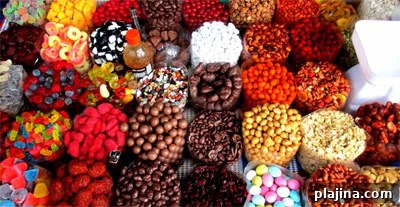
Sweet treats at a food stand © RON BERNTHAL
Many neighborhoods, however, remain working-class, bustling with everyday commerce rather than upscale amenities. Narrow streets are lined with food carts selling pastries, tortas, dozens of taco varieties, salads, sweets and drinks from morning into evening. Careful choices at these carts can yield a quick, delicious meal for $1–2.
Things to Do in Mexico City
The slogan “Mexico’s Moment” has been used to promote the country, but it also reflects Mexico City’s modern architectural scene. Influential Mexican architects such as Luis Barragán, Félix Candela and Pedro Ramírez Vázquez shaped much of the city’s 20th-century architecture, and a new generation of international and local architects continues to contribute bold projects.
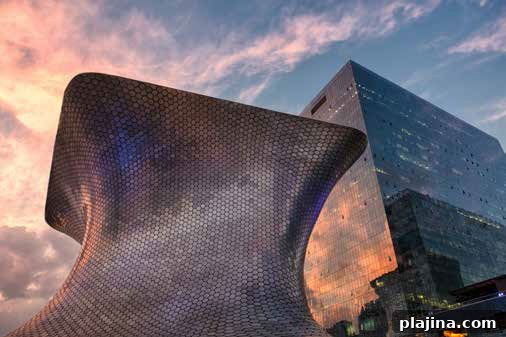
Museo Soumaya © MEXICO CITY TOURISM
Museo Jumex, designed by British architect David Chipperfield and opened in Nuevo Polanco in 2013, houses rotating exhibitions, conferences and performances in a marble, stainless steel, concrete and glass building. Across the street, the sculptural, anvil-shaped Museo Soumaya—clad in 16,000 reflective hexagonal aluminum tiles—displays more than 6,000 works of Latin American and international art.
Diego Rivera, though born in Guanajuato, spent much of his life in the capital and left large-scale murals across the city. Four notable Rivera sites are within walking distance in the historic center: Palacio Nacional, where a mural painted between 1929 and 1935 depicts Mexican history; the Secretaría de Educación Pública with extensive interior-courtyard murals; the Museo Mural Diego Rivera, home to Dream of a Sunday Afternoon in Alameda Central Park (1947); and Palacio de Bellas Artes, which displays Man, Controller of the Universe, Rivera’s reimagining of his controversial Rockefeller Center mural. Palacio de Bellas Artes also features murals by David Alfaro Siqueiros, José Clemente Orozco and Rufino Tamayo.
Visitors can tour the studios and homes of key figures in Mexican modernism: Frida Kahlo and Diego Rivera’s Casa Azul in Coyoacán and Casa Luis Barragán, the architect’s 1948 residence and studio, which became a UNESCO World Heritage site in 2004 and remains preserved much as he left it.
Checking in with Diego Iturbide
Manager, La Churrería El Moro, Mexico City
How long has La Churrería El Moro been in business?
My family has sold churros in Mexico City since 1933, when my grandfather, Francisco Iriarte, arrived from Elizondo, Spain. He began selling churros from a cart in the Zócalo and later opened a small shop at Eje Central Lázaro Cárdenas 42, Cuauhtémoc, which still operates 24 hours a day. The business passed through the family and became a lasting city tradition.
What exactly is a churro?
Churros are a breakfast staple in Mexico City: thin, deep-fried dough sticks dusted with sugar. Crispy outside and soft inside, they are best enjoyed with a steaming cup of hot chocolate. At El Moro we offer several styles of hot chocolate, ice cream and freshly made churros.
Why did the company expand in recent years?
As many neighborhoods modernized and new restaurants opened, we decided to add outlets while preserving our handmade churro tradition. Expanding required careful planning to keep the artisanal quality. The firm Cadena + Asociados designed our new stores and won recognition for the concept.
What changes do you see now in Mexico City?
The city feels safer and more vibrant, with growing tourist numbers and many new museums, parks and festivals. Local incomes and expectations have risen, pushing improvements in store and restaurant design. At El Moro we strive to offer a clean, friendly place to eat, and we’re busy most of the time with lines for fresh churros.
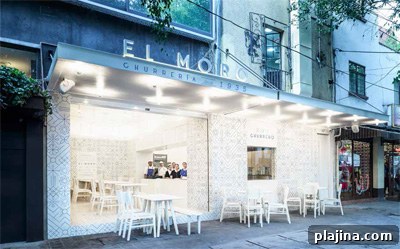
La Churrería El Moro © EL MORO
Coming and Going
All U.S. citizens, including children, require a valid passport and tourist card to enter Mexico. Cruise passengers visiting a port for one day may not need a passport. Business travelers must complete a form authorizing business activities (not employment) for up to 30 days. Stays for purposes beyond tourism or business, or exceeding 180 days, require a visa and a passport.
Just the Facts
Time zone: GMT -6
Phone code: Country code: 52, city code: 55
Currency: Peso
Key industries: Banking, insurance, finance, architecture and construction, iron and steel, textiles, plastics, furniture, tourism and hospitality, education and cultural services
Official Language
Spanish
Mexico City Info to Go
Benito Juárez International Airport (MEX) is about 10 miles from the central business district. Terminal 1, remodeled in 2006, can be crowded; Terminal 2, opened in 2008 and used by Aeroméxico and SkyTeam partners, is generally easier to navigate. Transfers between terminals require taxi, shuttle bus or monorail. For late-night arrivals or early departures, consider the NH Collection Airport T2 Hotel in Terminal 2. A planned new airport designed by Foster + Partners and Fernando Romero Enterprise is intended to be a large, LEED Platinum complex located a few miles from the current airport.
Restaurants in Mexico City
CONTRAMAR Chef Andrés Barragán’s seafood restaurant specializes in fresh tuna, shrimp and octopus sourced from Mexico’s Pacific and Gulf coasts. Popular dishes and desserts include coconut flan and fig tart. Lunch only; reserve early. Calle Durango 200, Colonia Roma, Cuauhtémoc. $$–$$$
J BY JOSÉ ANDRÉS The chef’s first restaurant outside the United States blends Spanish classics with Mexican flavors in a small-plates format. Open daily for lunch and dinner. W Mexico City, Campos Elíseos 252, Polanco. $$$–$$$$
LUNA BISTRO Chef Javier Ramirez prepares dishes such as rack of lamb with mint gremolata and crusted grouper Provençal, alongside innovative risottos, soups and salads. Open daily. Stara Hamburgo Hotel, Calle Hamburgo 32, La Juárez. $$
Where to Stay in Mexico City
HABITA HOTEL A 32-room design-led property with a ground-floor restaurant, rooftop pool and bar. Ave. Presidente Masaryk 201, Polanco. $$$
HOTEL CARLOTA Redesigned by JSa Arquitectura with 36 rooms by Mexican designers, a courtyard pool, bar, restaurant and complimentary bicycles. Río Amazonas 73, Cuauhtémoc. $$$–$$$$
STARA HAMBURGO HOTEL A boutique member of Small Luxury Hotels, occupying two historic houses with original brick walls, 55 rooms with balconies, a roof garden restaurant and the Luna Bistro. Calle Hamburgo 32, La Juárez. $$$–$$$$