
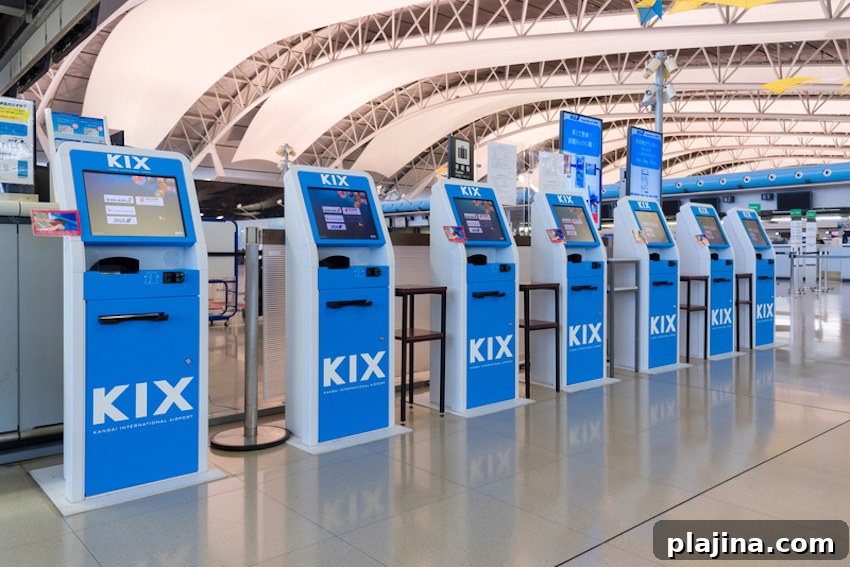
With the rise of self check-in, automated baggage drop and electronic boarding passes, air travel is becoming increasingly automated, reducing the need for staff and long queues. Another emerging technology being trialed at airports worldwide is self-boarding, which uses facial recognition to identify passengers and streamline the boarding process.
To use self-boarding, travelers first visit kiosks near the check-in area to scan their passport, boarding pass and a photo of their face. After completing standard security checks, passengers proceed to their gate where they re-scan their boarding pass and have their photo taken by a gate camera. If the live image matches the previously captured facial data, the system confirms the passenger’s identity and permits boarding at the appropriate time.
London Gatwick Airport has trialed this system for easyJet flights across Europe. So far, Gatwick is among the few European airports to implement the technology on a wider scale.
British Airways has carried out trials of self-boarding at Boston Logan International Airport (BOS) and Orlando International Airport (MCO) earlier this year, with plans to expand trials to John F. Kennedy International Airport (JFK) in New York and Miami International Airport (MIA).
When properly implemented, self-boarding can significantly reduce boarding time, offering the potential for fewer departure delays and an improved passenger experience. Airlines using the technology report they can board up to 240 passengers in about 10 minutes, demonstrating a notable increase in efficiency.
As airports and carriers continue to pilot facial recognition for boarding, considerations around privacy, data security and passenger consent remain central. Proper safeguards, transparent policies and optional participation are important to maintain public trust while realizing the operational benefits of automated boarding systems.