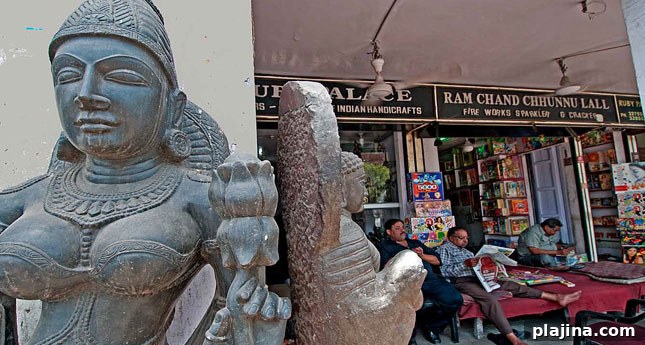
Like a stampeding force of nature, India overwhelms the senses and quickly demands your full attention.
Larger than life and intensely vibrant, India brims with color, energy and contrasts. It can be fascinating, exotic, frustrating and overwhelming all at once. New Delhi, the capital of the Republic of India, exemplifies this blend: crowded streets, heavy traffic and intense heat mix with striking visual variety and a vitality that can make other cities feel muted by comparison.
As the country’s political, commercial and financial hub, New Delhi is an important center for business. A large skilled workforce and the widespread use of English make it an attractive place for international investment, especially in sectors such as tourism, banking, telecommunications, media and information technology.
When you meet Indian colleagues for the first time, expect some warm small talk before business begins. Conversations often touch on family, personal background and your impressions of India. While Indians generally welcome lively debate, it’s wise to avoid sensitive topics like Hindu-Muslim relations or the caste system, which can lead to discomfort or disagreement.
Outside formal meetings, there is relatively little socializing between business partners. Invitations to cultural events or cricket matches from work colleagues are uncommon, so don’t assume casual after-work gatherings are part of business etiquette.
Business schedules in India are not always rigid. Many professionals work evenings or weekends, and punctuality can vary in the private sector—arriving a few minutes late is often tolerated, especially given Delhi’s traffic. When meeting government officials, however, punctuality matters: lateness can be interpreted as disrespectful.
Business cards are exchanged frequently; it is common practice to present and accept cards with both hands as a sign of respect. Mobile phone numbers aren’t always printed on cards, so ask contacts to write their numbers on the back if you prefer that method of communication.
Western visitors may notice attentive service in hotels and restaurants. Staff can go out of their way to meet your needs, which may feel excessive if you’re unused to such constant assistance—but it reflects local hospitality rather than intrusion.
Tipping is customary in India, though not strictly compulsory. A 5–10 percent gratuity for good service at restaurants is typical, and small tips are expected for taxi drivers and hotel staff. Carrying small change can be useful, especially as currency exchanges often return large bills. When possible, break larger notes to obtain coins and small denominations for tipping.
Delhi’s climate is extreme: much of the year is hot and humid, while winters (December to February) can be surprisingly cold, particularly indoors where central heating is uncommon. If you travel during winter months, pack a warm sweater or fleece to stay comfortable.
Business attire in India tends toward conservative Western styles regardless of the heat. To stay comfortable, minimize time spent outdoors during the hottest hours and rely on air-conditioned transport between venues. For meetings outside your hotel, follow local practice: move quickly from an air-conditioned taxi into an air-conditioned building.
Connaught Place is one of New Delhi’s liveliest business districts and offers many hotels and restaurants suited to business travelers. Since meetings are often conducted over lunch, choosing a centrally located hotel with a quality restaurant is a practical decision.
Built in the 1930s, The Imperial New Delhi is a restored colonial-era property with historic charm, excellent service and several dining options and a spa. Rooms provide business amenities such as dual-line phones with data ports, voicemail, fax capability and wireless Internet—features that appeal to busy travelers, though they come at a premium.
The LaLiT New Delhi is a modern five-star hotel that delivers strong service and multiple restaurants suitable for business lunches, offering a contemporary alternative to older, historic properties.
The Metropolitan Hotel & Spa (The Met) combines sleek, stylish design with modern amenities. Its Chutney Bar & Tandoor restaurant features Indian fusion dishes and offers an Executive Business Lunch tailored to corporate guests.
For centrally located, reasonably priced business lunches, Véda in Connaught Place serves a varied menu with vegetarian and non-vegetarian options and is a convenient meeting spot for clients and colleagues.
For a memorable dining experience, The Spice Route at The Imperial is notable for its dramatic décor—walls painted by artists from Kerala and an array of antiques—and high-quality regional cuisine. It’s frequently chosen for important client lunches and, when available, offers fixed-price lunch menus for a streamlined experience.
For more budget-conscious groups, Royal China India is popular for Cantonese dishes and dim sum lunches, drawing locals who appreciate good food at reasonable prices.