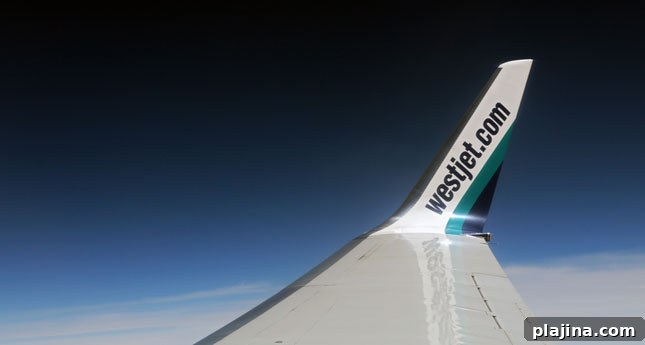
WestJet has announced a major fleet expansion and modernization plan with an order for 65 Boeing 737 MAX aircraft: 40 737 MAX 8s and 25 737 MAX 7s. The Calgary-based carrier expects deliveries between 2017 and 2027, which will make WestJet the first airline in Canada to operate the 737 MAX family. Boeing says the MAX models offer approximately 13 percent better fuel efficiency compared with the most fuel-efficient single-aisle jets previously available, a benefit that supports reduced operating costs and lower emissions per seat.
The new order raises WestJet’s total future Boeing 737 deliveries to 92 aircraft, strengthening the airline’s single-aisle fleet and enabling network growth across North America, Central America and the Caribbean. Brad McMullen, vice president of North America sales for Boeing, noted the historical role the 737 has played in WestJet’s growth and expressed confidence that the 737 MAX will continue that partnership by combining improved efficiency, reliability and passenger amenities with WestJet’s customer service.
Prior to this announcement, WestJet operated a fleet that included 103 Boeing Next-Generation 737s and four Bombardier Q400 turboprops, serving 87 destinations across the region. The addition of MAX aircraft is intended to modernize the fleet, support route expansion, and deliver a better passenger experience through newer cabin features and improved performance.
Fleet modernization with fuel-efficient aircraft is a strategic move for airlines facing rising environmental expectations and the need to control fuel costs. The 737 MAX family is designed to offer airlines longer range and lower fuel burn per seat, which can enable new nonstop markets and improved frequency on existing routes. For WestJet, those capabilities align with ambitions to grow its international presence while maintaining competitive operating economics.
WestJet’s plans to introduce the MAX aircraft will likely involve phased integration, crew training, and the necessary operational adjustments to support safe and efficient operations. As with any aircraft introduction, the airline will coordinate with regulators and Boeing to ensure certification timelines and delivery schedules are met. Over time, newer aircraft typically bring benefits in maintenance costs, reliability, and passenger appeal—factors that can strengthen an airline’s market position.
This fleet decision reflects broader industry trends toward more fuel-efficient single-aisle jets as carriers renew aging fleets and pursue sustainability and cost-efficiency goals. For passengers, the transition promises updated cabins, quieter cabins, and potentially expanded route options as WestJet leverages the MAX family’s performance to serve its network.
You may also like:
WestJet, China Southern Airlines Sign Codeshare
WestJet Launches New Route