
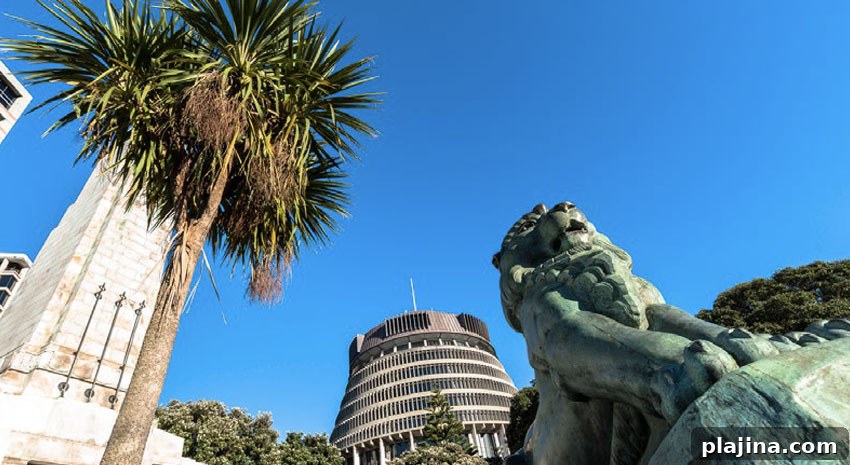
WINDY, WALKABLE WELLINGTON, New Zealand, is one of the most relaxed and unpretentious capital cities you’ll find. Its friendly, easygoing atmosphere makes doing business here a pleasure, reflecting a culture of trust and informal professionalism.
Set on the edge of a deep harbor and embraced by wooded hills, Wellington is scenic and almost picture-perfect. The city is famously windy because of its location on Cook Strait, the channel between New Zealand’s North and South Islands. Locals take pride in the breeze, but visitors should bring a windbreaker. The persistent wind also keeps the air exceptionally clean and helps power the city: dozens of turbines on nearby ridgelines contribute to Wellington’s renewable energy supply.
New Zealand’s business culture carries some British influence—polite, reserved and conservative in certain contexts—but the warm South Pacific spirit softens formality into an egalitarian, approachable style. Business interactions favor honesty, directness and a strong work ethic. A typical greeting is a firm handshake, a smile and direct eye contact. Women are widely regarded as equals in the workplace and often hold senior positions.
Dress codes vary by industry. Traditional sectors and formal meetings call for dark suits, while creative and tech industries lean toward casual, smart attire. Management structures are generally hierarchical with senior executives making final decisions, yet input, ideas and collaboration from all levels are valued. Visitors should use formal titles until invited to do otherwise.
Wellington’s economy blends traditional services—finance, government and business services—with creative industries. The city is a national hub for film and special effects and is also an important seaport for domestic and international shipping.
The central city is compact—just under 1.5 miles across—so you can walk from one side to the other in about 20 minutes. Public transport is reliable: Metlink runs buses, trains and ferries across the region. Stop at the Wellington i-SITE Visitor Information Centre for a journey planner and a Snapper card, which makes travel cheaper and faster. Taxis are plentiful and easy to find.
Wellington claims one of the highest numbers of bars and restaurants per capita. It benefits from nearby rich farmland, abundant seafood and proximity to prime wine regions, creating outstanding dining options. The city is also known for craft beer and excellent coffee, providing versatile venues for business meetings—from full meals to quick espressos.
For lively cafés and a wide choice of restaurants for business breakfasts or lunches, head to Cuba Street. Loretta blends modern décor with inventive dishes and a selection of wines by glass or bottle. Open Tuesday through Sunday, its menu includes inventive open-faced sandwiches and fresh smoothies. Another Cuba Street favorite, Fidel’s Café, offers a bohemian setting and eclectic décor that’s been welcoming guests for decades.
Wellington’s waterfront is a pleasant, walkable public space lined with cafés, parks, sculptures, bars and ice-cream vendors—an ideal, relaxed location for informal business meetings. On fine days, grab a coffee and unwind at Frank Kitts Park while enjoying harbor views.
The Museum of New Zealand, Te Papa Tongarewa, has free general admission and presents an extensive look at the nation’s cultural and natural heritage. Exhibits cover Taonga Māori, Pacific cultures, history, art, photography, botany and zoology. One of the museum’s most unusual highlights is the preserved specimen of a colossal squid, notable for its impressive size.
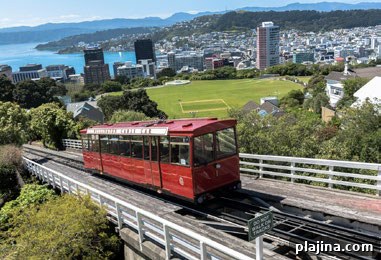
The Wellington Cable Car © ELLEN CLARK
One of the city’s most iconic attractions is the bright red Wellington Cable Car, which runs from Lambton Quay up to Kelburn and delivers excellent views over the harbor and city.
If time allows, visit Zealandia Wildlife Sanctuary to experience New Zealand’s native flora and fauna, with dozens of bird species, reptiles and many native plants. Volunteer guides add insight to the visit and help you spot wildlife.
Fans of The Lord of the Rings should not miss the Weta Cave mini museum, where you can get a behind-the-scenes look at the imaginative craftsmanship and special effects that helped create some of the world’s most remarkable films.