
Once again, the Economist Intelligence Unit named Vienna, Austria the most livable city in the world. The annual ranking evaluates multiple criteria, including stability, education, healthcare, culture and environment, infrastructure, and more.
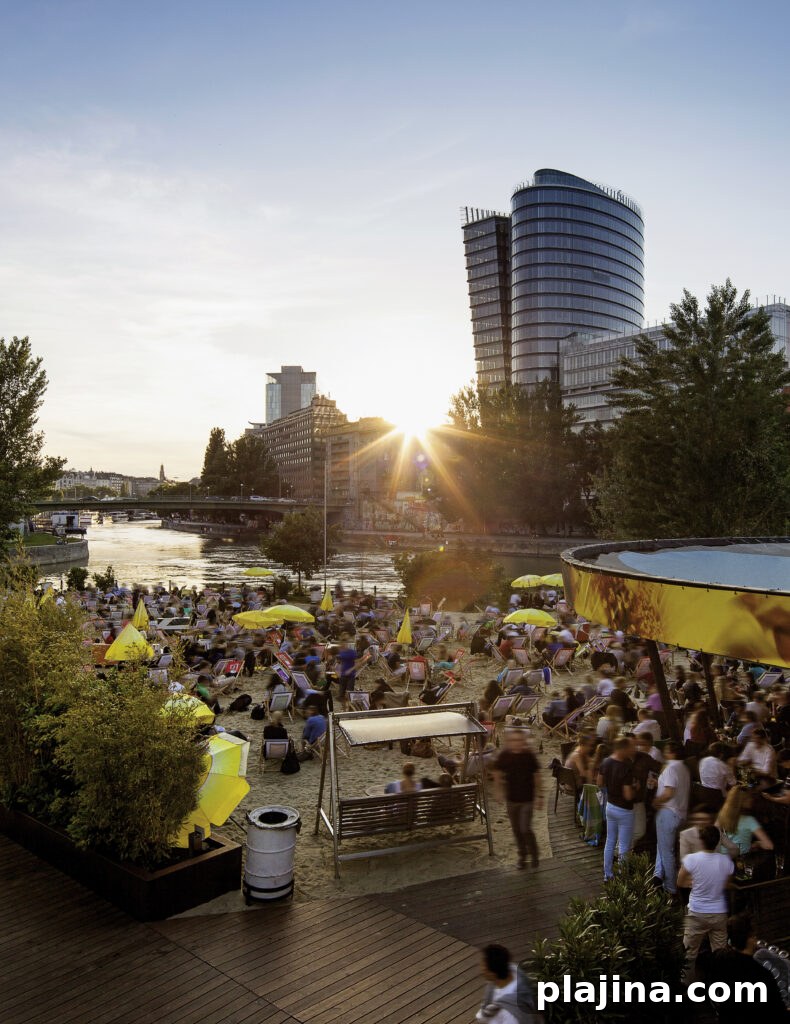
© Vienna Tourist Board / Christian Stemper
Vienna’s appeal comes from its elegant architecture, rich history and high quality of life, making it an excellent city to visit, work and live in. This year also marks the 150th anniversary of the Vienna World’s Fair, a milestone that highlights the city’s longstanding international prominence. The 1873 World’s Fair helped shape Vienna’s hospitality scene, sparking growth in hotels, cafés and restaurants—many of which endure today, such as Hotel Imperial, Palais Hansen Kempinski Vienna and Café Landtmann.
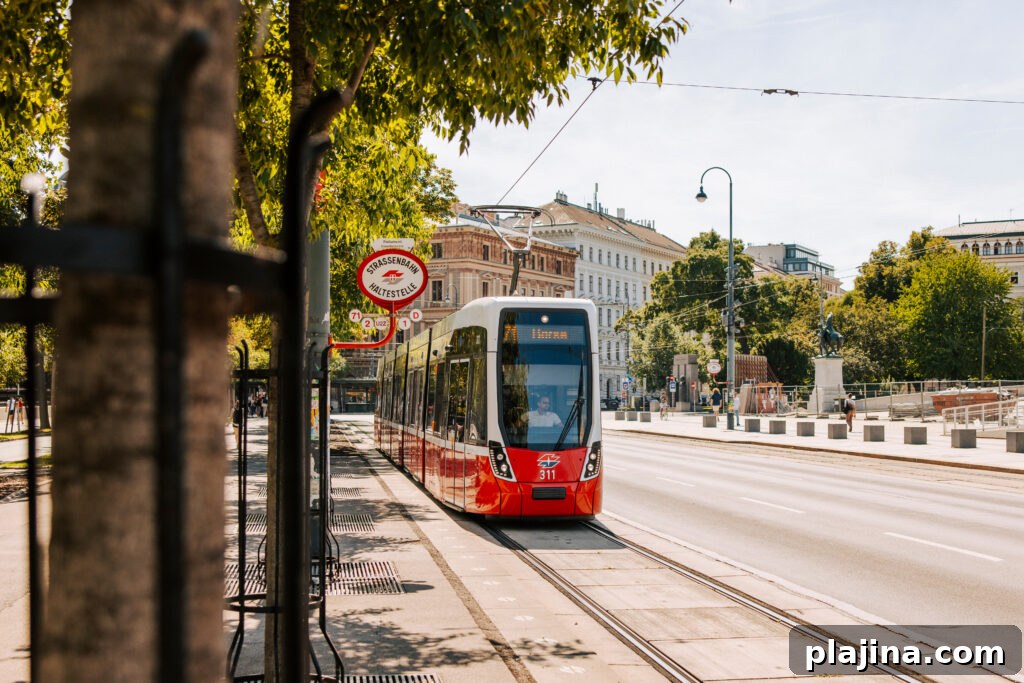
© Vienna Tourist Board / Paul Bauer
The surrounding vineyards are a defining feature of Vienna’s landscape, reflecting generations of wine-growing tradition. Visitors can sample regional wines and explore the local winemaking heritage. Equally iconic is Vienna’s coffeehouse culture: historic cafés offer aromatic coffee in a relaxed setting ideal for conversation, reading or people-watching. These coffeehouses are so central to Viennese life that they are recognized as part of the city’s cultural heritage.
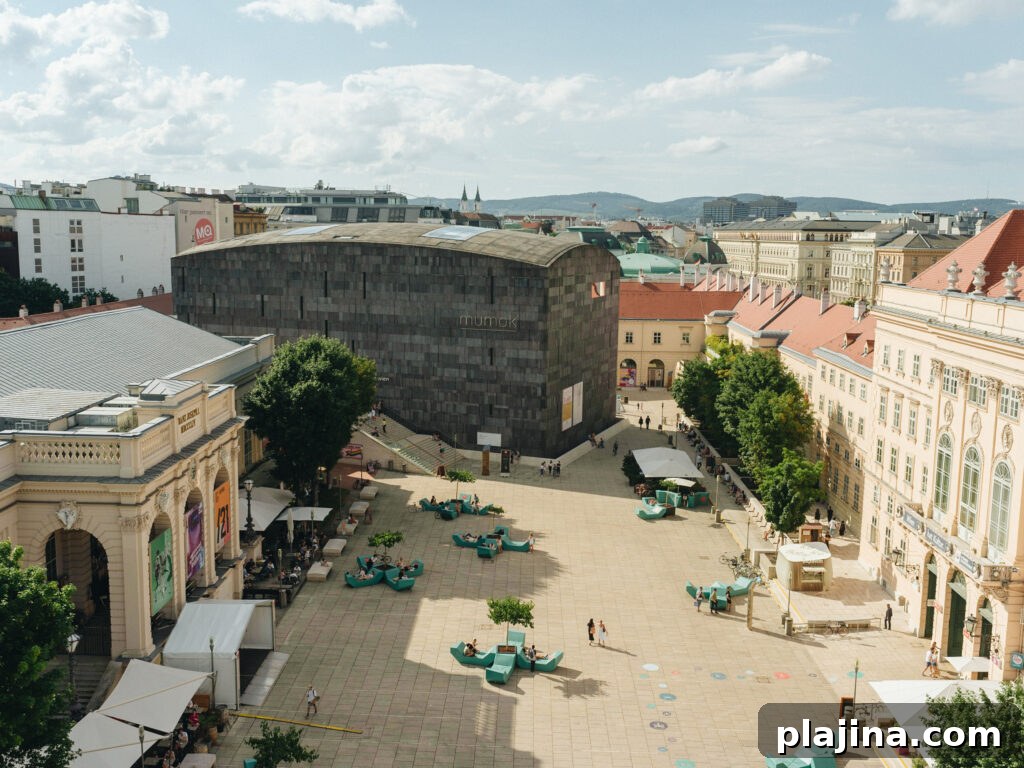
Museum Quarter © Vienna Tourist Board / Julius Hirtzberger
Vienna’s vibrant arts scene—featuring galleries, museums and concert venues—further contributes to its high livability score. The city offers year-round exhibitions, musical performances and cultural events that invite residents and visitors alike to engage with diverse artistic traditions. Together with efficient infrastructure, strong public services and abundant green spaces, Vienna’s cultural richness and historical character continue to make it one of the world’s most desirable cities to live in and explore.