
The Spanish city of València has been named the European Green Capital 2024, an honor awarded by the European Commission to cities with more than 100,000 inhabitants that demonstrate measurable progress in reducing environmental impact and improving residents’ quality of life. València won this recognition for its sustained efforts in sustainable urban development and its clear commitment to becoming a climate-neutral, smart city by 2030.
© VisitValència
Established in 2010, the European Green Capital award aims to spotlight urban environmental best practices across Europe and encourage cities to share solutions. Last year’s titleholder was Tallinn, Estonia.
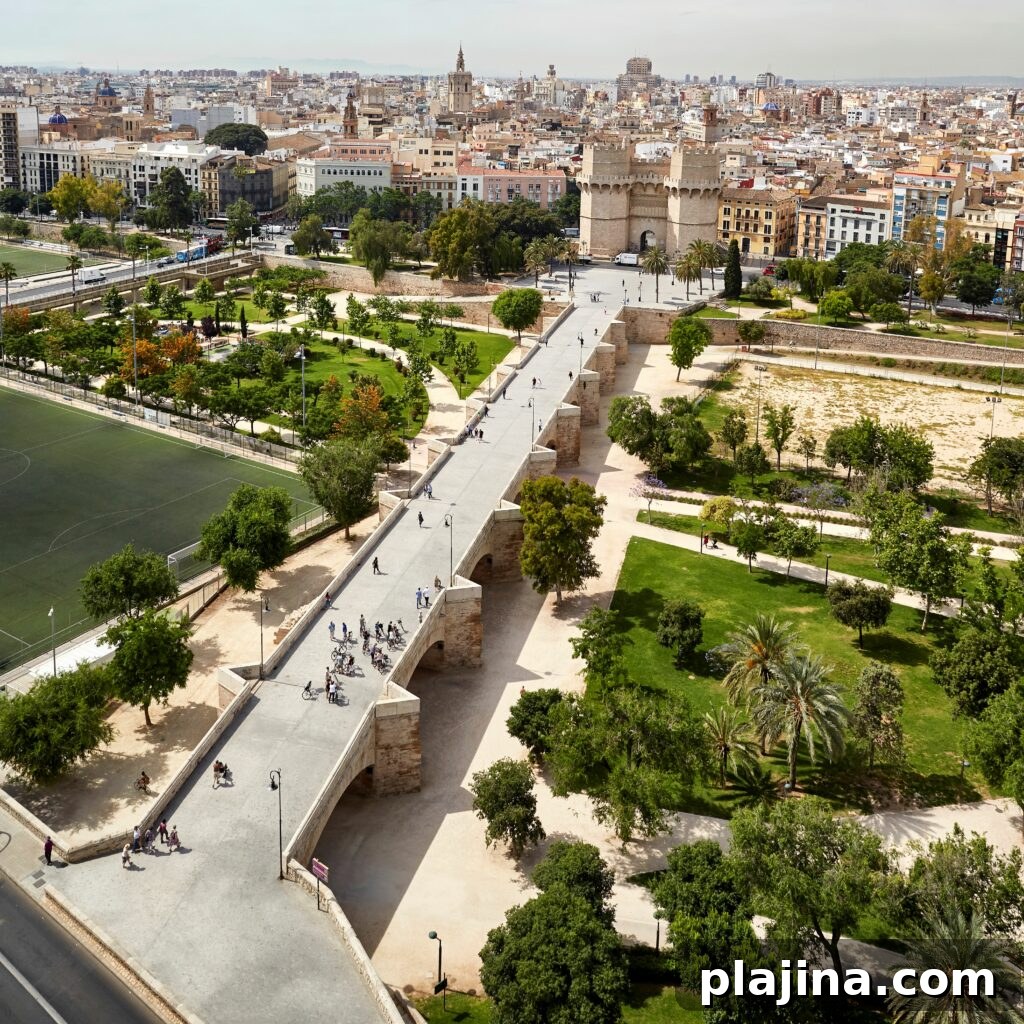
València’s recognition reflects a comprehensive strategy that includes the creation and protection of green areas such as Albufera Natural Park and the Turia Gardens, along with investments in sustainable mobility, efficient waste management, and the revitalization of public spaces including Town Hall Square and Plaza de la Reina. These measures aim to reduce pollution, enhance public life, and make the city more resilient to climate change.
© VisitValència
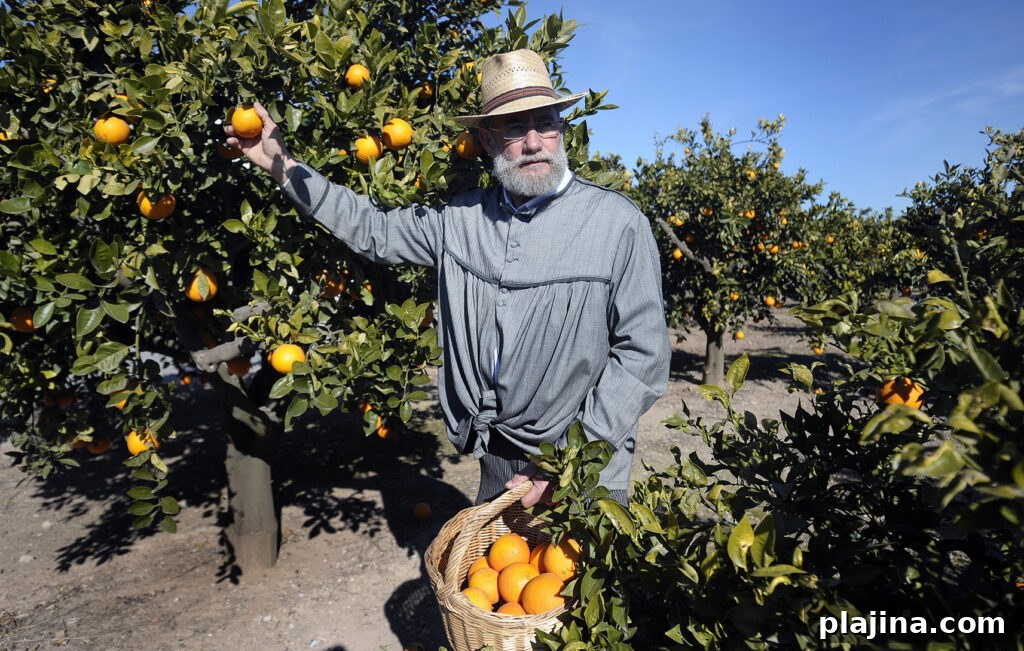
Over recent years València has earned multiple sustainability accolades, including European Capital of Smart Tourism 2022 and Capital of Sustainable Food 2017. The city has also taken the lead in measuring and offsetting the carbon and water footprint of tourism. València was selected among 100 cities to participate in the EU’s Cities Mission, which supports the goal of achieving climate neutrality by 2030.
This is València’s first application for the European Green Capital award, and only one other Spanish city—Vitoria in 2012—has previously won the title. The award carries a financial prize of €600,000 (around $657,000), which will help the city continue funding green initiatives and scaling up sustainable projects.
Visitors to València will encounter green spaces throughout the city. A major attraction is the Turia Gardens, created from the former riverbed of the Turia after the 1957 flood. Since its opening in 1986 the park has evolved alongside the city’s sustainability agenda. Spanning nearly 300 acres and stretching approximately 7.5 miles, it is one of the longest urban parks in Europe and serves as a vital recreational and ecological corridor.
© VisitValència
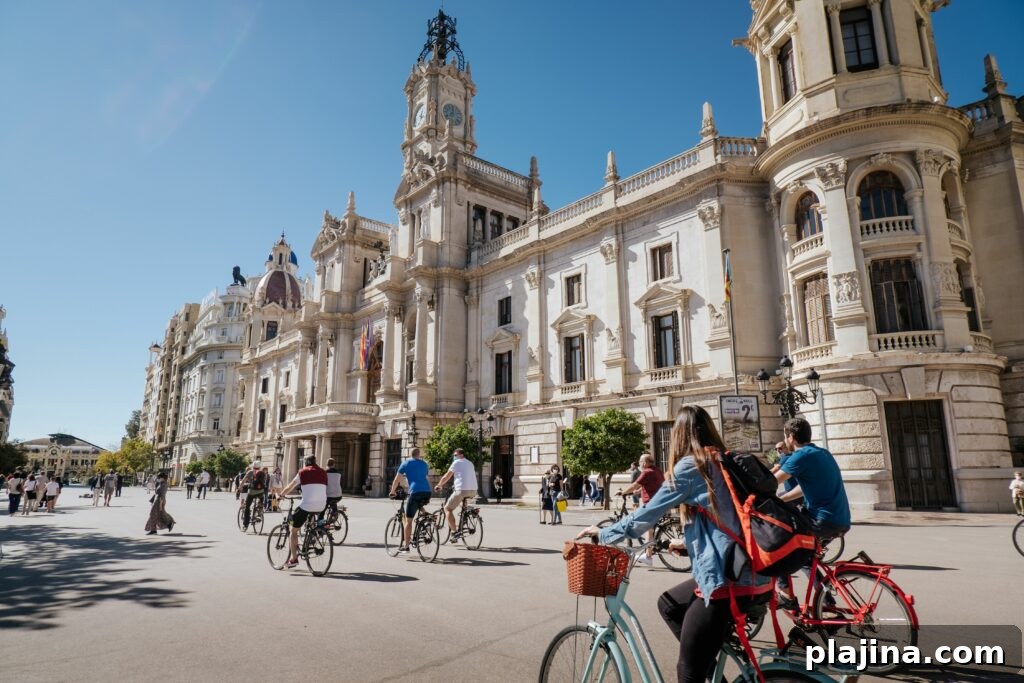
Several neighborhoods have been reshaped by recent green projects. The renovated Plaza de la Reina and the streets around the Central Market have been adapted to prioritize pedestrians, and plans are in place to pedestrianize parts of Plaza del Ayuntamieto as well. These interventions reduce traffic, lower noise and air pollution, and enhance public life. Cyclists benefit from an expanding network of bike lanes—about 99 miles—that make short trips and commuting by bike safe and convenient.
Many of València’s green initiatives are part of the València 2030+ Urban Strategy, a long-term plan designed by local planners to guide the city toward carbon neutrality. The strategy coordinates projects across mobility, energy, green infrastructure, waste management, and community engagement to create healthier, more sustainable neighborhoods.
By combining protected natural areas, urban rewilding, sustainable transport, and climate planning, València aims to be a living example of how Mediterranean cities can grow while reducing their environmental footprint and improving the well-being of residents and visitors alike.