Two European countries have just expanded their lists of UNESCO World Heritage sites with newly inscribed locations: five Viking-age ring fortresses in Denmark and the historic Eise Eisinga Planetarium in Friesland, the Netherlands.
© Stichting Werelderfgoed
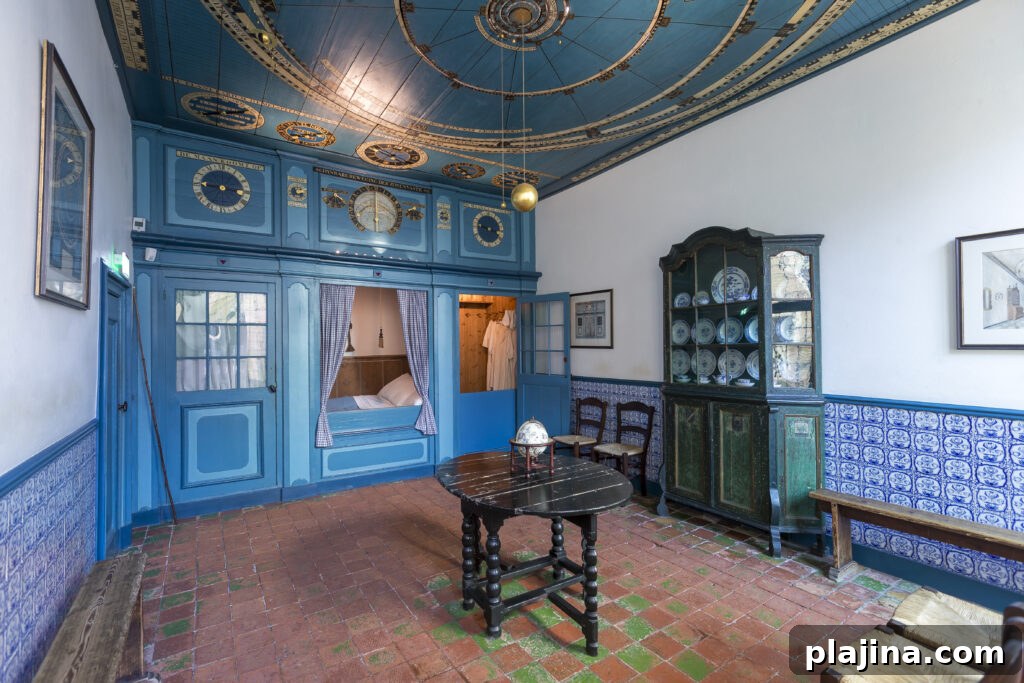
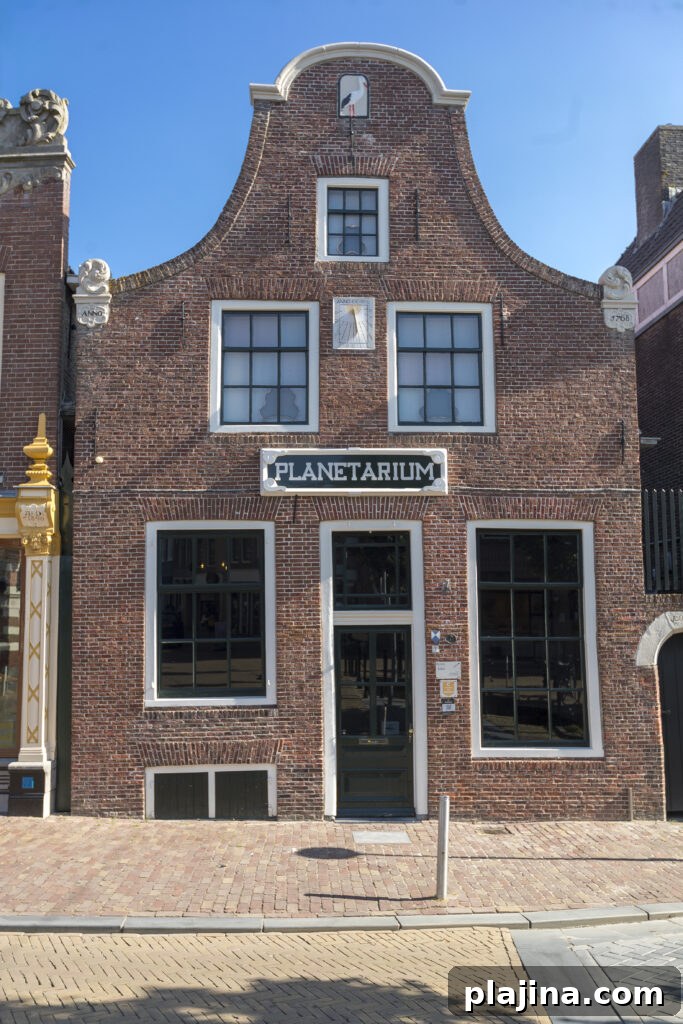
The Netherlands now counts its 12th UNESCO World Heritage site: the Eise-Eisinga Planetarium in Franeker. First nominated in 2003, this planetarium is the oldest functioning example in the world. Between 1774 and 1781, Dutch amateur astronomer Eise Eisinga built a working, movable model of the solar system on a scale of 1:1,000,000—one millimeter representing one thousand kilometers—so that the model could fit inside his living room.
© Stichting Werelderfgoed
Preserved largely in its original state, the planetarium is open to visitors year-round and remains a unique example of 18th-century scientific ingenuity. The Netherlands’ other well-known UNESCO sites include the Kinderdijk windmills, the Beemster polder and the fortified town of Willemstad.
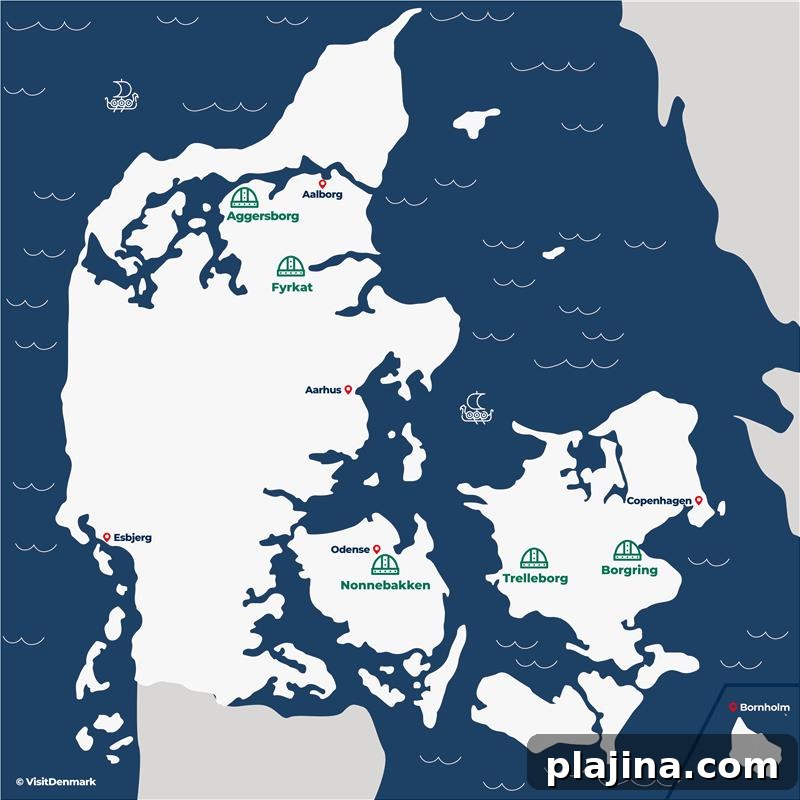
In Denmark, five Viking-age ring fortresses have been added to the UNESCO list. Constructed between 958 and 987 under King Harald Bluetooth, these fortresses were designed as defensive and administrative centers. Their precise geometric layouts and well-preserved archaeological remains make them among the most important Viking Age sites in Denmark.
Borgring © VisitDenmark – Rune Hansen
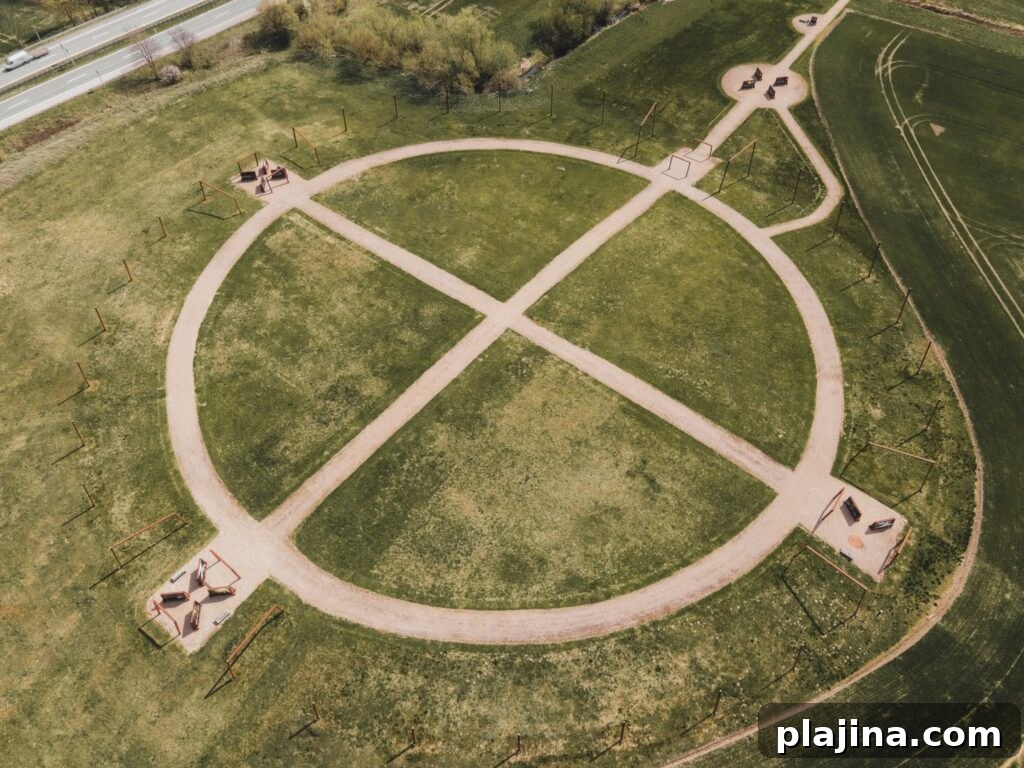
Aggersborg, in northern Jutland near Løgstør, is the largest of the five. Built in the 980s, the circular fort measures about 935 feet across and features four gates aligned with the cardinal directions. At its center stood a tower, and the interior layout included 48 longhouses organized around the core.
Fyrkat, also in northern Jutland near Hobro and dating from the 980s, offers impressive views from its ramparts. Archaeological evidence points to a settlement that housed men, women and children, and a cemetery just north of the fort suggests it functioned as a community as well as a military site. Nearby, a reconstruction of one of the largest houses gives visitors a sense of daily life in the Viking Age.
© VisitDenmark
The remaining three fortresses are located at Nonnebakken, Borgring and Trelleborg. Nonnebakken and Trelleborg offer visible earthworks and reconstructions that help interpret Viking settlement and defense. Borgring, while identifiable through archaeological remains, still holds unanswered questions about its exact layout and use, making it a subject of active research and public curiosity.
Both the Eise-Eisinga Planetarium and the Danish ring fortresses enrich Europe’s cultural heritage by preserving rare and instructive examples of scientific achievement and medieval military architecture. These inscriptions highlight the value of conserving places that illuminate everyday life, technology and power structures from past centuries, providing visitors and scholars alike with tangible links to history.