
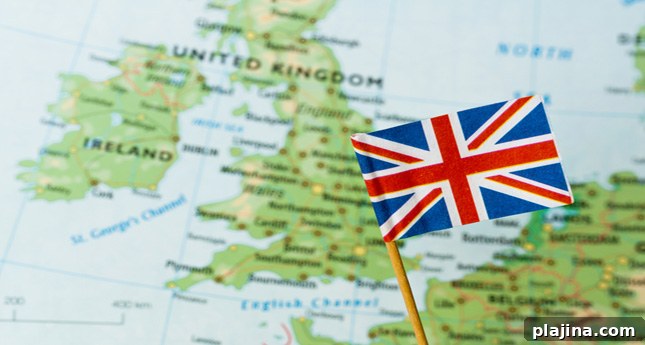
As the United Kingdom contemplates whether to leave the European Union, Travelzoo has gathered data assessing how a potential exit could affect the nation’s tourism sector. Polling of European travelers shows that many—especially respondents from Germany, Italy, Spain and France—would consider choosing destinations other than the UK if Britain left the EU. A significant share of those surveyed also expect travel costs to the UK to rise substantially after a withdrawal.
Respondents from several European countries indicated they would find it reasonable to charge British visitors additional travel fees when coming to the continent. Among British nationals surveyed, opinions were mixed: some believed a split from the EU might make parts of the UK seem safer as holiday destinations, while others feared rising costs for travel insurance and mobile roaming. Environmental concerns were also raised; without EU protections, respondents worried that beaches and other natural attractions in the UK might face weaker safeguards against pollution.
“Our neighbours in Europe clearly don’t want the United Kingdom to leave the European Union, and the impact of this sentiment could translate into a significant drop in bookings to the UK from the largest European countries,” said Joel Brandon-Bravo, managing director, United Kingdom, Travelzoo. He added that when this decline is combined with a potential loss of more than 10 percent of visitors from North America—as indicated by their research—the consequences for the UK’s domestic tourism industry could be severe. UK residents planning outbound travel also expressed concern about how Brexit could affect international trips and associated costs.
Travelzoo’s analysis points to a potential annual loss to the UK tourism industry of up to £4.1 billion if the country were to leave the EU. Such a shortfall would affect hotels, attractions, restaurants and related services that rely heavily on both European and long-haul visitors.
The survey highlights several specific issues that contribute to travel hesitancy. Higher ticket prices, increased taxes or surcharges for UK arrivals, and added costs for roaming and insurance are among the economic factors respondents cited. On the regulatory side, the possible rollback of EU environmental standards raises concerns about the long-term appeal of coastal and rural destinations that benefit from current protections.
Beyond immediate financial impacts, tourism industry representatives warn of secondary consequences. Reduced visitor numbers can lower investment in infrastructure and amenities, weaken local employment in hospitality and leisure, and diminish the global profile of UK destinations. Recovery from such declines can be slow, particularly for destinations that depend on repeat visits and word-of-mouth recommendations from international travelers.
Travel industry leaders and policymakers therefore face a range of questions: how to reassure international visitors, which measures might offset increased costs for travelers, and how to maintain environmental protections that contribute to the attractiveness of UK destinations. Any strategy will need to balance short-term measures—such as marketing campaigns and consumer safeguards—with longer-term commitments to regulation and investment.
As debate over the UK’s future relationship with the EU continues, the Travelzoo findings underline the tourism sector’s vulnerability to political and regulatory change. For tourism-dependent communities and businesses, preparing for a variety of scenarios will be essential to limit disruption and preserve the UK’s appeal to visitors from Europe and beyond.