
Anyone traveling to Rajasthan in northern India has likely heard of Udaipur’s enduring allure. Renowned for its shimmering lakes and marble palaces, the city is often regarded by travelers and connoisseurs of beauty as one of the world’s most romantic destinations.
Mughal architecture reflecting on still waters highlights a remarkable feat of engineering. Frequently called the Venice of the East, Udaipur rises around Lake Pichola, a manmade lake dating back to 1362, whose calm surface mirrors the city’s elegant monuments.
“Most of the time, people arrive in Udaipur quite tired because they’ve done a reliably large Rajasthan trip,” said Jonny Bealby, founder of Wild Frontiers, a tour operator specializing in tailor-made trips to India. “This is a place to relax and soak it up.”
Yet visitors who confine themselves to the familiar stroll around the City Palace and the tourist-filled shopping streets miss the chance to glimpse daily life in Udaipur—the routines of people who live, work and raise families here.
That perspective is exactly what Wild Frontiers’ walking tours with Virasat Experiences aim to provide. On these guided walks you’ll discover living traditions, local arts and the religious beliefs that shape everyday life in the city.
“Modern Udaipur takes place beyond the great palaces and havelis lining the lake,” Bealby explained. “You still have the ghats in town where people do their washing, so elements of real life coexist alongside a large tourist industry.”
© Dmitry Rukhlenko | Dreamstime.com
These 2.5-hour walking tours concentrate on revealing how locals live: waking at dawn, carrying out daily chores and preserving customs that feel timeless. Local guides share popular legends and religious traditions, and the experience often includes a stop for tea with a family in a 150-year-old Udaipur home adorned with fresco paintings.
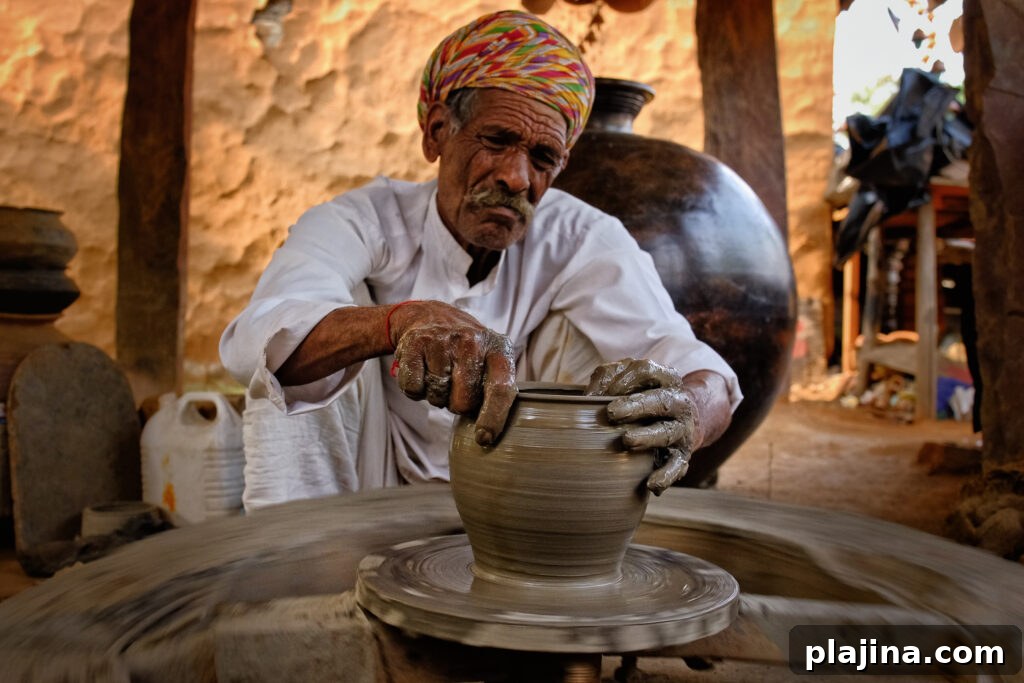
Other highlights include exploring an ancient stepwell once used for drinking water and visiting skilled artisans who still produce functional objects—water pitchers, clay pottery and jewelry—crafted for daily use rather than as tourist souvenirs.
Even in a city that receives many visitors, authentic moments can be found down narrow lanes and in neighborhood courtyards where life continues at its own pace.
“I’ve never been to Udaipur and felt the place was spoiled,” Bealby said, reflecting on decades of visits. “You can’t change Udaipur. And that’s quite rare.”