
Last year’s surge of interest in travel to Cuba from the United States — sparked by the end of a decades-long ban and a rush of new routes — has started to slow, and several carriers are scaling back their service.
Airlines that raced to add flights in 2016 now report demand has not met early expectations. American Airlines, Silver Airways and JetBlue have announced reductions in their Cuba schedules after U.S. carriers resumed flights to the island in August 2016 following a government embargo that lasted since the 1960s.
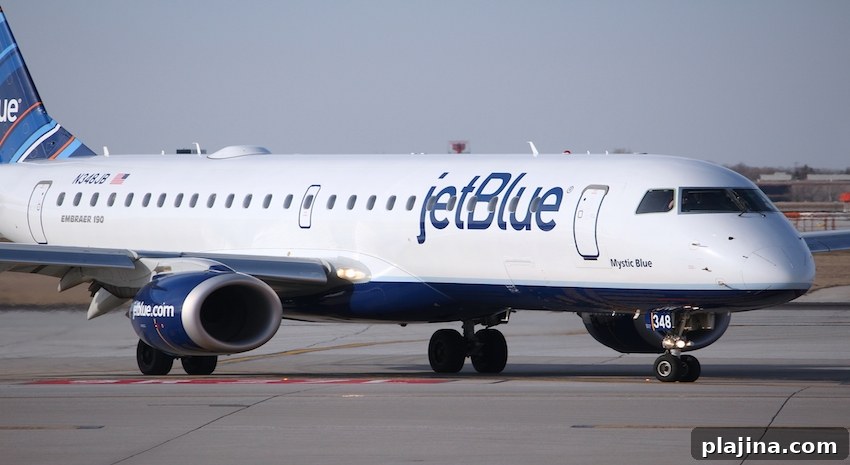
JetBlue is replacing some aircraft with smaller planes on daily services between Fort Lauderdale (FLL) and Havana (HAV), Santa Clara (SNU), Camagüey (CMW) and Holguín (HOG), and on routes from Orlando (MCO) and New York (JFK) to Havana. The carrier says it is adjusting capacity rather than eliminating routes entirely.
American Airlines trimmed service in November on its Miami (MIA) to Holguín, Santa Clara and Varadero (VRA) routes, reducing frequency from two daily flights to one. In December, Silver Airways reduced frequencies on several Fort Lauderdale services to Camagüey, Cayo Coco (CCC), Holguín, Manzanillo (MZO), Varadero and Santiago (SCU).
Airlines emphasize they remain hopeful about the long-term prospects for Cuba travel. However, uncertainty over U.S. policy following changes to rules loosened under the Obama administration has introduced caution into carriers’ network planning. As a result, some airlines are focusing on matching capacity to current demand rather than pursuing rapid expansion.
Travelers interested in flying to Cuba should monitor airline schedules and ticket availability, since carriers are likely to continue adjusting frequency and aircraft size in response to passenger trends and regulatory developments. For now, while routes still exist between multiple U.S. gateways and Cuban destinations, frequency and seat capacity vary by carrier and by city pair.