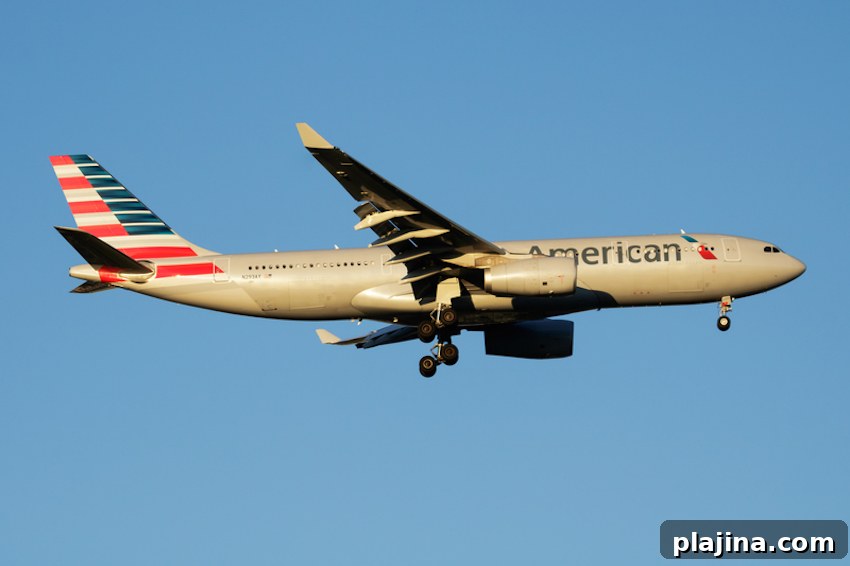
Almost every major U.S.-based airline has signaled support for a United Nations-backed plan aimed at limiting aviation-related carbon emissions. The initiative, known as the Carbon Offsetting and Reduction Scheme for International Aviation (CORSIA), is administered by the International Civil Aviation Organization, a U.N. specialized agency. CORSIA is designed to hold international aviation emissions at 2020 levels by requiring participating carriers to offset any growth in their CO2 emissions after that baseline year.
The program’s structure is voluntary for a number of airlines and regions, but it represents a coordinated effort to address the aviation sector’s growing contribution to global greenhouse gas emissions. Participating U.S. carriers range from major network airlines to low-cost carriers: Alaska Airlines, American Airlines, Delta Air Lines, Frontier, Hawaiian Airlines, JetBlue, Southwest, Spirit and United Airlines are among those publicly aligned with CORSIA’s goals. Beyond these household names, participation also extends to smaller carriers such as Piedmont and Republic, and to aviation service firms and suppliers like Dynamic, Rich and Five Star.
CORSIA’s reach is not limited strictly to airlines and aviation companies. A number of non-aviation companies and organizations have also expressed support for the initiative, reflecting broader corporate interest in climate action tied to business travel and supply chains. Reported supporters include firms across finance, technology and event management, such as Bloomberg, eBay, Visa and even organizations in the sports world like the PGA Tour. Their involvement typically focuses on purchasing offsets or otherwise supporting carbon reduction projects that balance out increases in aviation emissions tied to international flights.
The core mechanism of CORSIA requires airlines to measure their CO2 emissions from international operations and to offset any increases above the agreed 2020 baseline. Offsetting can be accomplished through a variety of approved schemes, such as investments in renewable energy, reforestation, or other verified carbon reduction projects. The intent is to neutralize growth in emissions from international aviation while the industry pursues longer-term technological and operational improvements, such as more efficient aircraft, sustainable aviation fuels and improved air traffic management.
Supporters argue that a program like CORSIA provides a practical, near-term tool that can operate alongside national and corporate emissions-reduction commitments. By placing a quantifiable requirement on emissions growth and creating a market for offsets, the scheme aims to encourage investment in mitigation projects and to establish clearer accountability for international aviation’s carbon footprint. For many airlines, participating in CORSIA also signals a commitment to corporate sustainability goals and helps align their operations with emerging regulatory expectations and customer demand for greener travel options.
Critics, however, note that offsets are an imperfect solution. Questions remain about the long-term integrity and verification of some offset projects, the sufficiency of offsets to drive actual emissions reductions, and the need for deeper industry changes beyond offsetting—such as accelerated adoption of sustainable aviation fuels, radical improvements in aircraft efficiency and expanded infrastructure for low-carbon operations. These concerns underscore that while CORSIA can help limit emission growth in the near term, it should be paired with robust policies and investments that reduce absolute emissions over time.
In practice, the airline industry’s carbon footprint is significant and, left unchecked, is expected to grow as global demand for air travel increases. CORSIA represents one step among many that airlines, regulators and commercial partners are taking to address this trajectory. By committing to measure and offset emissions growth beyond the 2020 baseline, participating carriers and companies are contributing to a broader, multi-stakeholder effort to make international aviation more sustainable while longer-term technological and policy solutions continue to evolve.