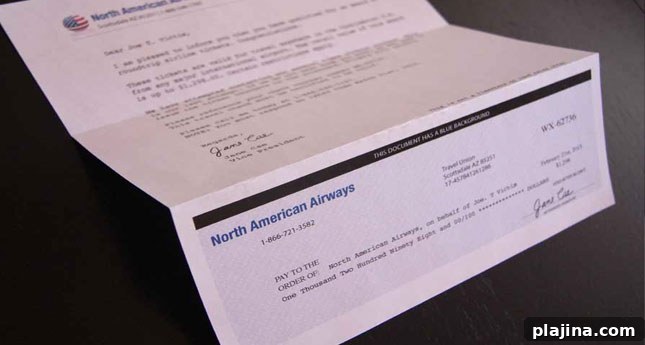
You’ve probably encountered travel clubs advertising “free” memberships that quietly bill your credit card every month while delivering few, if any, real benefits. Or you’ve seen “advance payment required” clauses that demand money before any written contract is presented, leaving travelers with little recourse. And then there are sellers and providers using multiple names or email addresses so you never deal with a single accountable company.
When terms like “split pricing” or “fractional ownership” are used to obscure what you’re actually buying, it’s often a warning sign. Scammers have grown more sophisticated, using networks of fraudulent operators and agents to lure victims online. Combine that with classic travel threats — pickpockets, unlicensed cabs, stolen card numbers — and traveling can feel like an exercise in constant vigilance.
Consumer advocates who track travel scams say there’s a silver lining: many scams leave clues that allow cautious travelers to avoid getting burned.
“Any unsolicited ‘You won’ notice or a message telling you that you’ve been specially selected for an unbelievable offer usually means you’ve been selected to be fleeced,” says Ed Perkins, founding editor of Consumer Reports Travel Letter and a frequent consumer expert on travel. He explains that scams fall on a spectrum: the worst fraudsters take your money and vanish; the next tier misrepresents products and services, using deception to extract payment while offering little of value in return.
Perkins has seen this firsthand. He describes promotions that provide certificates for discounted condo rentals, hotels or resort packages — only to find fully booked dates and disconnected phone numbers when victims try to redeem them. The takeaway is often “pay now, argue later.”
The American Society of Travel Agents warns that one of the most prevalent and damaging scams involves vacation club memberships that demand upfront payment for promised future travel and then never deliver. These schemes lure consumers with guarantees of huge discounts in exchange for prepayments; the safest response is to walk away.
Timeshare and “fractional ownership” offers often blur the line between aggressive sales and misrepresentation. Many fractional ownerships can become expensive once annual fees and add-on charges accumulate, erasing any apparent benefit. “Split pricing” is another common tactic: a low advertised rate that suddenly balloons once the seller adds fees for items that appeared to be included. These are unethical sales strategies designed to pressure people into buying.
High-pressure timeshare presentations are an enduring example. Consumers are enticed by “free” weekends or event tickets and then subjected to relentless sales pitches using scripts designed to push emotional and financial buttons. Even experienced professionals have fallen for these tactics after accepting enticing offers like a free luau or event admission.
Online platforms have amplified scam opportunities. Fake TripAdvisor and Yelp reviews can mislead travelers into booking substandard properties, and social media scams promote phony travel vouchers through Facebook posts that redirect to counterfeit sites. Those scams often prompt users to install apps that harvest personal data and spread fraudulent offers through their friend networks.
At destinations, traditional cons remain common. Pickpockets thrive in crowded tourist areas, and unregulated “gypsy” cabs sometimes avoid official taxi queues and overcharge visitors. These risks are particularly notable in some parts of Europe and the Mediterranean.
Hotels can also be a source of surprises and scams. Hidden fees — daily taxes, resort fees, charges for Internet access or fitness centers — can inflate the final bill if rates are not clearly disclosed. Another scam involves front-desk calls from fraudsters posing as hotel staff who ask guests to provide credit card information over the phone; legitimate hotels will not request sensitive data without proper verification. Similarly, so-called hotel representatives meeting arriving passengers in foreign airports may transport travelers to properties that suddenly claim the discounted rooms are gone and offer rooms at much higher rates while rewarding the greeter with a commission.
ATMs are another area to monitor. Criminals use counterfeit ATM faces and card-jamming devices to capture cards and PINs, then retrieve the captured cards and drain accounts. To reduce risk, use ATMs inside bank lobbies when possible and inspect machines for signs of tampering. If in doubt, wait until another customer successfully uses the machine or find a bank-managed ATM.
Currency-related tricks persist as well. The “old money” scam targets visitors unfamiliar with current notes, with vendors or even larger merchants passing off outdated banknotes that are worth little or nothing. Research the local currency before travel, and be aware of places with multiple currencies or exchange rates that vary widely.
Red Flags
Watch for the classic warning signs: unsolicited notices claiming you won a vacation or contest you never entered, bulk mail offers that promise too much, and unexpected emails offering steep discounts from agents you did not contact.
If you receive a call offering a travel deal, ask for references and verify the company’s reputation before committing. Check with consumer protection resources and the Better Business Bureau when appropriate. Never give credit card numbers, Social Security information, or other sensitive data to someone who initiated contact by phone or email.
Read the fine print on any travel offer. Hidden processing fees and service charges can turn a bargain into a costly mistake. Be wary of unsolicited phone messages from unfamiliar area codes — particularly numbers that require pay-per-call charges from overseas regions.
Always use a credit card for purchases whenever possible; it provides record-keeping and dispute protections. Avoid making advance payments without a written contract and do not sign agreements until you have received all promised information. Never pay simply to receive information.
Ask for cancellation and refund policies in writing from any travel agent or planner before you make payments. For hotel and resort bookings, get written confirmation of the exact accommodations and amenities you were promised to avoid bait-and-switch situations. Decline high-pressure sales tactics and offers that demand immediate action; “limited-time” deep discounts are often too good to be true.
Staying informed, skeptical, and patient will help you spot scams and protect your money while traveling. Careful research, written documentation, and sensible payment methods are the best defenses against the many pitfalls in today’s travel marketplace.