A new survey conducted by British Airways polled 2,000 American baby boomers, those born between 1946 and 1961, to identify the biggest barriers that keep them from traveling after retirement. The results reveal both practical and emotional reasons that influence travel decisions for this generation, along with a few lighter findings about travel preferences.
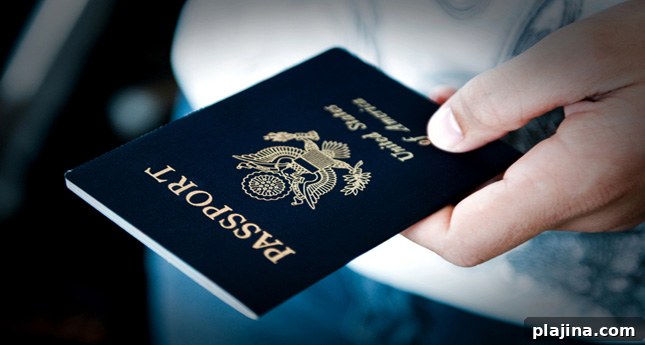
Among the most prominent barriers, cost stands out as a primary deterrent—especially among women. The survey found that 63 percent of female respondents have never owned a passport, citing financial concerns and the belief that international travel will be out of reach for them. This perception of expense discourages many from even considering trips abroad, which in turn limits their travel options after they stop working.
Financial concerns are linked to deeper regrets as well. Female respondents were more likely to name a lack of travel during their lives as one of their biggest regrets. For many, the combination of family responsibilities, career demands, and budgeting priorities left little room for extended or overseas travel, and those missed opportunities weigh on them later in life.
Men in the survey reported a different dominant regret: working too much. More male respondents than female named careers and long working hours as factors that prevented them from taking time to travel while they were younger. This difference highlights how gendered expectations around work and caretaking have influenced travel experiences for this cohort.
Beyond financial and work-related constraints, the survey touched on other reasons that limit travel, such as health concerns, mobility limitations, and anxiety about navigating unfamiliar places. Some respondents said they prefer the familiarity and comfort of home or nearby destinations, while others mentioned caregiving responsibilities that make extended trips difficult. Together, these practical issues combine with cost concerns to reduce the likelihood that many baby boomers will plan international vacations.
Despite the sobering findings, the survey also included a playful question about who baby boomers would like to sit next to on a long-haul flight. The top five celebrities selected were Donald Trump, Harrison Ford, Meryl Streep, Hillary Clinton, and Liam Neeson. These choices reflect a mix of political figures, celebrated actors, and personalities perceived as engaging or entertaining travel companions.
The survey results point to opportunities for travel providers and policymakers to make international travel more accessible to older adults. Solutions could include clearer information about the costs and logistics of travel, more affordable packages tailored to retirees, senior discounts, travel insurance options designed for older travelers, and programs that address mobility and health-related needs. Travel companies might also increase outreach and education about passport acquisition and planning for international trips to reduce the perceived financial and administrative barriers.
For baby boomers themselves, the findings suggest that small changes—such as setting aside funds specifically for travel, researching lower-cost destinations, and seeking group tours or escorted trips that provide stability and support—could help many overcome the hurdles that have prevented them from seeing the world. Addressing caregiving responsibilities through community resources or scheduling shorter, more frequent trips may also help those who feel tied to home.
Overall, the British Airways survey highlights how economic factors, work history, health, and life responsibilities shape travel choices for baby boomers. While cost and missed opportunities are significant themes, the responses also show a desire for meaningful travel experiences. With the right information and tailored options, many in this generation may yet find ways to explore domestic and international destinations in retirement.