
Fresh air filling your lungs and warm sunlight on your skin deliver an instant natural high—one of the simplest, most effective ways to boost physical and mental well-being. Walking tours tap into this power, offering experiences that range from gentle strolls to challenging hikes, all designed to help travelers explore destinations through a wellness-focused lens.
Oku Japan provides a range of immersive walks across Japan, including the multiday Temples and Trails of Shikoku small-group tour, which blends physical activity with spiritual reflection. Shikoku is renowned for its 88-temple pilgrimage, a 1,200-year tradition in which pilgrims traverse the island to visit Buddhist temples and sacred sites such as Mount Kōya. Along the route you may encounter ohenro, pilgrims dressed in white who seek enlightenment while honoring the original pilgrim, Kōbō Daishi (Kūkai).
On Oku Japan’s itineraries, you walk through varied landscapes to reach temples and stay in traditional shukubo temple lodgings, where you can participate in prayers and ceremonies with resident monks. Many programs also include stays at onsen ryokans—traditional inns with natural hot-spring baths—offering restorative moments to soothe tired muscles and deepen the sense of calm.
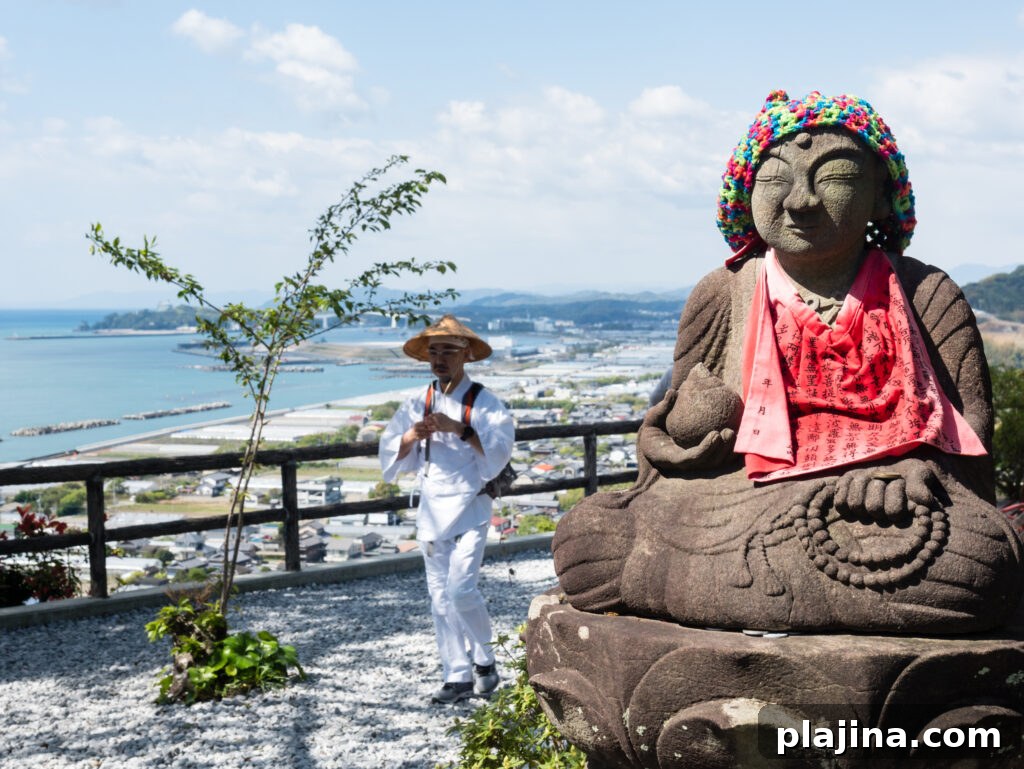
Zenjibuji Temple No. 32 in Shikoku © Katinka2014 | Dreamstine.com
Inside Asia specializes in authentic, community-centered journeys such as the Trails of Northern Thailand. This five-day walking itinerary moves through rural landscapes and hillside villages, highlighting a sharp contrast with urban life. Travelers meet ethnic groups like the Akha and Karen, visit local temples by day, and sleep in simple bamboo huts by night. The tour emphasizes connection—to nature, to local traditions, and to an inner sense of resilience and spirituality.
Road Scholar offers educational walking tours that combine thoughtful learning with outdoor exploration. Their Discover New Zealand: Walking Clean and Green program is a 22-day trek that showcases glaciers, clear lakes, temperate rainforests, and expansive coastlines. The route encourages personal reflection and deep appreciation for New Zealand’s environment while providing context about the country’s “clean and green” ethos and the role of Māori stewardship in preserving these landscapes for future generations.
Walking tours like these invite travelers to slow down and experience destinations more fully. The combination of steady movement, time outdoors, cultural immersion, and mindful rest renews both body and spirit. Beyond the immediate health benefits—improved circulation, reduced stress, clearer thinking—participants often return with a stronger sense of connection to nature, to local communities, and to their own capacity for growth and renewal.