
For newcomers to Saudi Arabia, culture shock is almost inevitable — the only question is when it will arrive. It might begin the moment you step off your flight at Riyadh’s King Khalid International Airport and enter a terminal whose sweeping stone and marble interior evokes a vast Bedouin tent.
Or it may be the first time you feel the desert heat: summers regularly top 110°F (43°C). You might be struck by the many highway billboards displaying the stern, bearded faces of senior Saudi royals in kaffiyeh, or by advertisements for prayer-compass watches and milk bottles that at first glance look like beer. By the time you reach your hotel, you will almost certainly realize you have arrived somewhere very different.
Riyadh is intriguing in other ways, too. Its scale can be deceptive. As you head downtown, you travel along wide, palm-lined boulevards through low-rise suburbs punctuated mainly by mosque minarets. At first the city can feel modest and contained, but the urban sprawl continues for miles—more than five million people live here.
Soon the gleaming towers of the central district appear. To orient yourself, look for the distinctive Kingdom Centre, the 99-story blue-glass tower with a cutout near the top that resembles a giant bottle opener. It’s a handy landmark at street level. If you have time, take the Sky Bridge near the top, about 900 feet up, for panoramic views of the city. Visit on a clear day, though: sandy haze often obscures the view.
Riyadh transformed rapidly after oil revenues began flowing in the 1950s, evolving from a quiet walled oasis into the dynamic capital of Saudi Arabia. Modernization has progressed under the Saudi royal family while maintaining strong traditions. The country remains very conservative, and many laws and customs differ significantly from what most foreigners expect. It’s important to learn what is and isn’t permitted before you arrive: ignorance is not accepted as a defense if you inadvertently break local rules.
Always carry your passport, and check beforehand that it contains no Israeli stamps, since those may prevent entry. Avoid bringing any material that could be considered pornographic; the definition is broad and can include photographs of women judged to be inappropriately dressed. Even magazines or newspapers featuring illustrated stories about female celebrities or athletes could cause problems.
Never photograph local people without first asking their permission, even in an informal business setting. In early professional encounters stick to neutral topics such as sports, the weather, or respectful comments about Saudi Arabia, and avoid political discussion until you know your contacts well.
For a practical, unpretentious base in al-Olaya near the Al Faisaliah Tower, the Business Hotel is a sensible choice. Positioned for convenience, it offers meeting rooms and a business center; however, you may prefer alternative venues for important breakfasts or lunch meetings, as the in-house restaurant is modest.
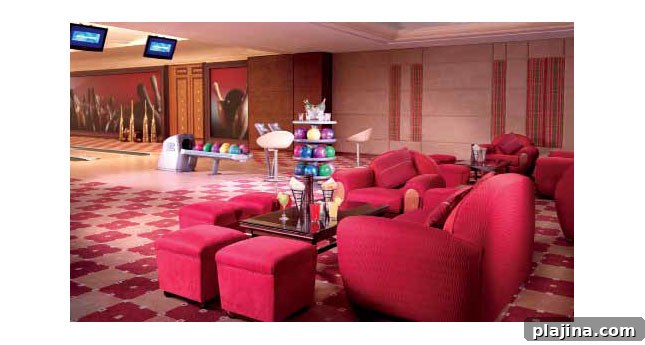
If you need to impress clients, the opulent Ritz-Carlton delivers. Its Al Orjouan restaurant serves a substantial breakfast and extended lunch service in an air-conditioned setting, and the Chorisia Lounge provides indoor and outdoor seating for meals. The hotel’s Strike Bowling Alley, open in the evenings, is a relaxed option for informal gatherings—with non-alcoholic beverages served and certain sessions reserved for women.
For formal boardroom-style meetings, the Four Seasons Hotel at Kingdom Centre has several well-equipped rooms and an Elements restaurant that offers international and Asian dishes plus a private dining room for up to 24 guests.
If you prefer a hotel with stronger local character, consider Al Mashreq Boutique Hotel. Its 69 guestrooms are decorated in a regional style, and the Tea Lounge offers a relaxed setting for afternoon meetings. Free Wi-Fi is provided throughout.
Plan your day around the rhythm of daily prayers. Many shops and businesses close for 20 to 30 minutes two or three times a day while staff attend prayer; shop shutters may be pulled down during these intervals. Prayer times change with the lunar cycle, so check local listings each morning and schedule local travel and meetings with prayer times in mind—roads are often quieter during prayer windows.
Outside prayer times, traffic in Riyadh can be heavy. A metro system has been planned to ease congestion, but large infrastructure projects mean extended periods of construction and disruption in certain areas.
Leisure options are limited compared with many international cities, but there are numerous modern, air-conditioned shopping malls. Note that some malls may restrict access for single men at certain times, as religious police occasionally monitor public spaces; the Granada Center on the airport highway is often one of the more male-friendly options.
Alcohol is prohibited in Saudi Arabia, so don’t expect to find beer. For a refined evening experience, consider the Cigar Lounge inside the golden globe atop the Al Faisaliah Tower, where you can enjoy Cuban cigars and a selection of non-alcoholic wines while watching the sunset.
Read more about Riyadh’s camel trade.