
Wellness travel has evolved from a passing trend into a lasting shift in how people plan and experience trips. Robin Ruiz, founder and CEO of Wellness in Travel + Tourism (WITT), notes that travelers increasingly seek journeys that nourish their mental, physical and emotional wellbeing rather than merely a change of scenery. As life speeds up and daily stress mounts, wellness-focused travel offers restorative experiences that help guests recharge and maintain healthier habits while away from home.
Ruiz reports that more than 90 percent of luxury travelers now factor wellness into their travel choices. The demand for wellness offerings has grown across the United States and around the world, expanding well beyond the traditional destination spa to include urban hotels, nature retreats and properties that integrate biophilic design and restorative amenities.
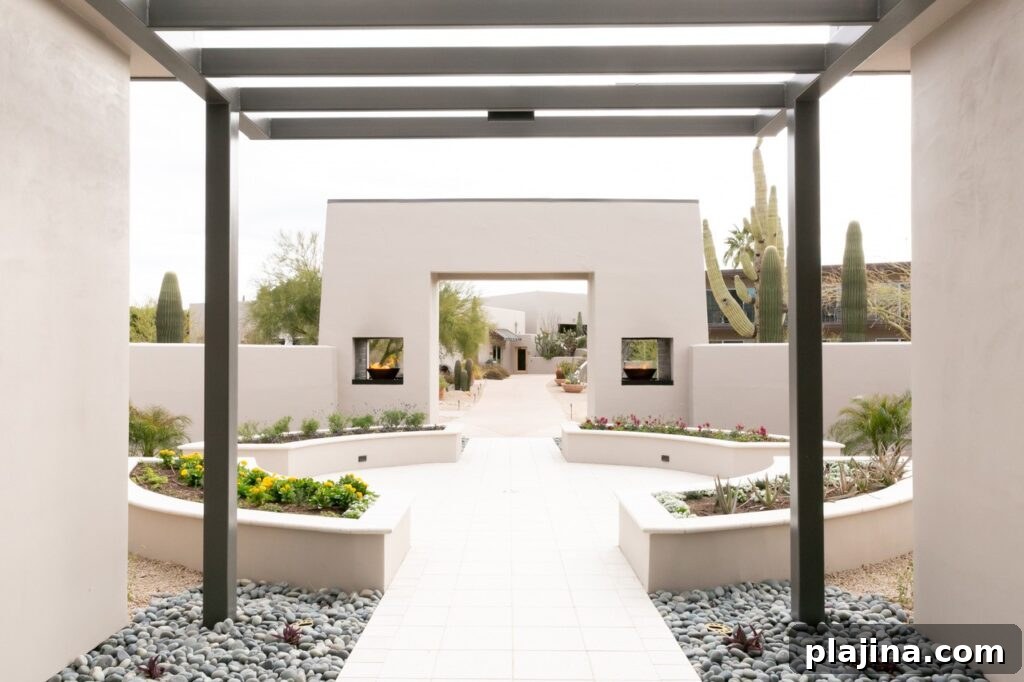
© CIVANA Wellness Resort & Spa
Recognizing this broader definition of wellness travel, WITT launched the WITT Certified Seal earlier this year. The certification evaluates hotels and resorts across more than 100 criteria within WITT’s five pillars of wellness: healthy eating, holistic healing, nature, movement and local impact. The goal is to help travelers identify properties that genuinely support a holistic wellbeing journey, and more than 100 U.S. hotels have already earned the seal.
One WITT-certified property is CIVANA Wellness Resort & Spa in Carefree, Arizona, near Scottsdale. CIVANA offers personalized programming that spans healthy dining, a world-class spa and an extensive class schedule. Guests can choose from nine styles of yoga and more than 70 total classes, plus activities such as hiking, kayaking and paddleboarding. CIVANA also provides intimacy workshops, meditation sessions, equine therapy and desert bathing—a Sonoran Desert adaptation of the Japanese practice of shinrin-yoku (forest bathing). Visitors can assemble their own à la carte experience or let the resort’s wellness team design a tailored program.
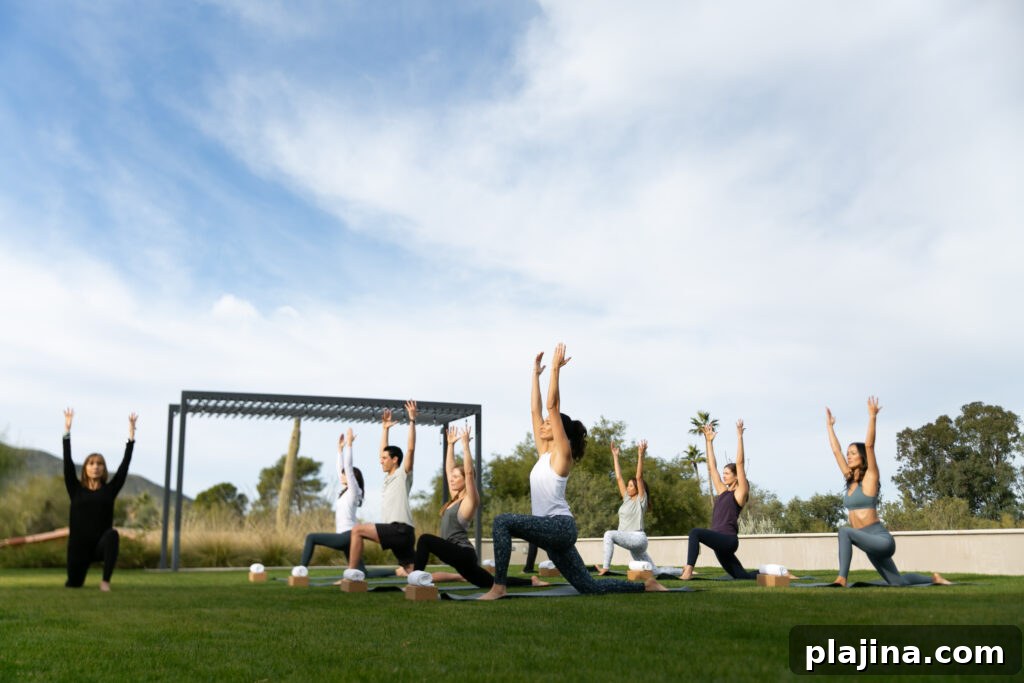
© CIVANA Wellness Resort & Spa
Castle Hot Springs, also in Arizona and roughly an hour from Scottsdale, highlights the restorative power of natural hot springs. The resort combines soaking rituals with hiking, biking, canyon walks and sound baths to foster a deep connection with the landscape. Many guests complement their activities with meals prepared from produce grown on the property’s three-acre farm.
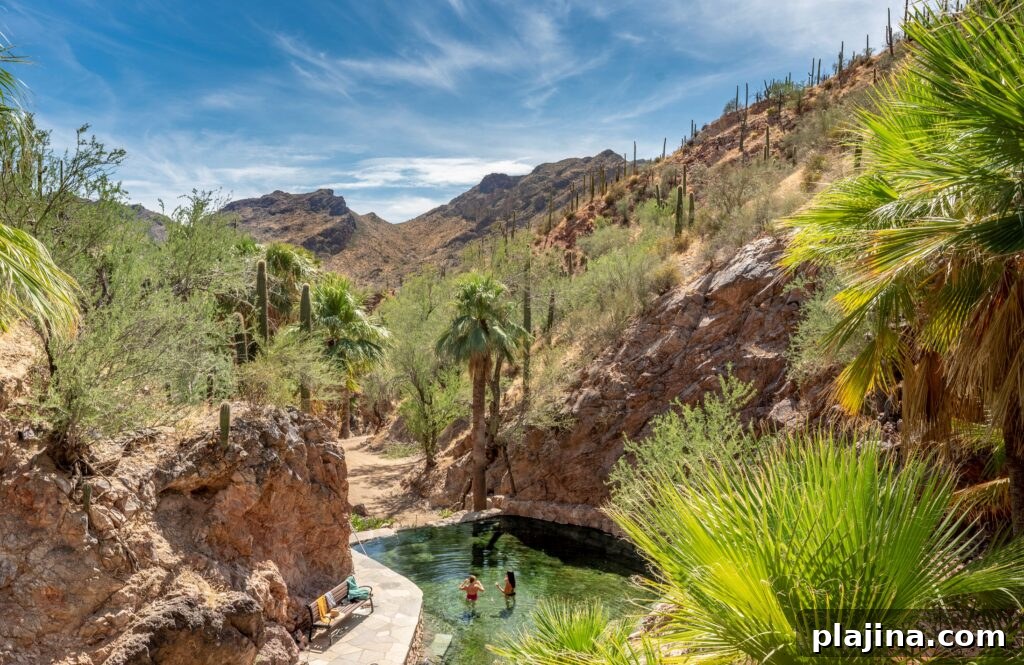
© Castle Hot Springs
In Upstate New York, Mohonk Mountain House has offered recreation and renewal for more than 150 years. In addition to an award-winning spa, Mohonk’s Seasonal Wellbeing Collection takes a year-round approach—Spring for detox, Summer to renew, Fall for balance and Winter for immunity. The property’s Mindfulness Retreat, developed by a Ph.D., combines private coaching with group activities such as meditative hikes and forest bathing.
On California’s Central Coast, Hotel San Luis Obispo provides a calm base for travelers seeking intentional, meaningful escapes. Situated between San Francisco and Los Angeles, the hotel encourages exploration of SLO CAL—wine tasting, beach walks, scenic drives along Highway 1 and lively waterfront towns—while offering on-site spa treatments, bocce, biking and other restorative pursuits.
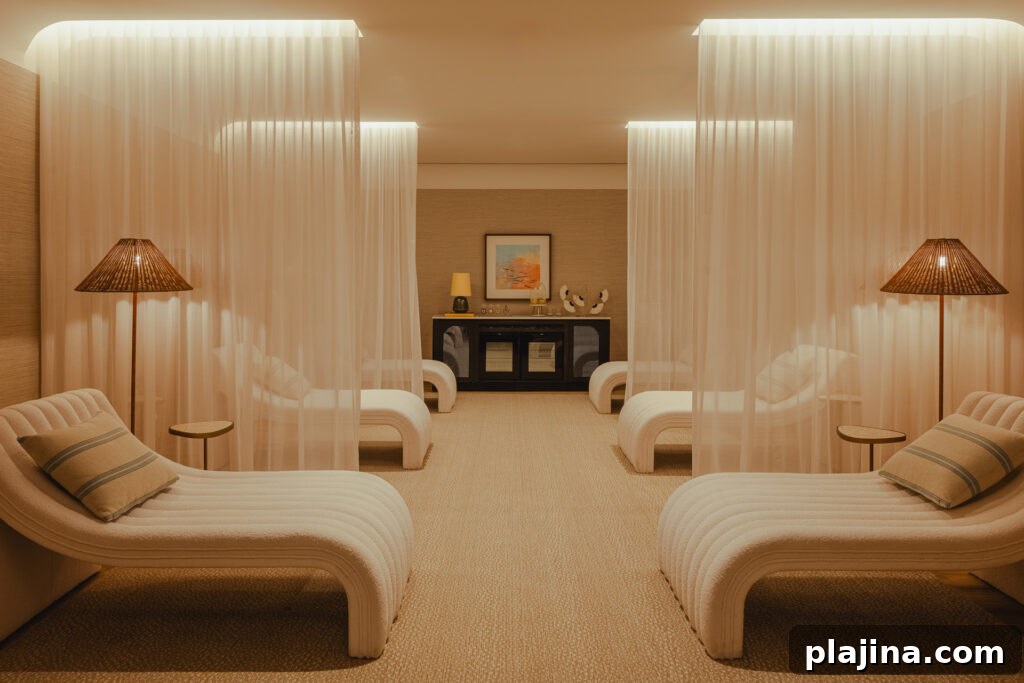
Regent Santa Monica Beach © Tanveer Badal
At Regent Santa Monica Beach, Maison Guerlain introduced Guerlain Wellness—the brand’s first West Coast spa—offering comprehensive facilities including an expansive spa, pools, lounges, fitness spaces and a dedicated retail boutique. Signature treatments created for the property range from pre- and post-sun care to crystal-based therapies and advanced facials designed to restore radiance. Guests can end their day in one of the hotel’s 167 guestrooms and suites, each starting at 720 square feet.
In Southwest Florida, JW Marriott Marco Island Beach Resort draws on its Blue Zone Community status to shape wellness programming. The resort emphasizes the “blue-space effect,” the calming psychological benefits of water, and offers curated itineraries created with wellness and Blue Zone experts. The culinary program is shifting toward food-as-medicine, incorporating aquatic plants such as sea asparagus and sea moss to support reduced inflammation, improved digestion and cognitive benefits.
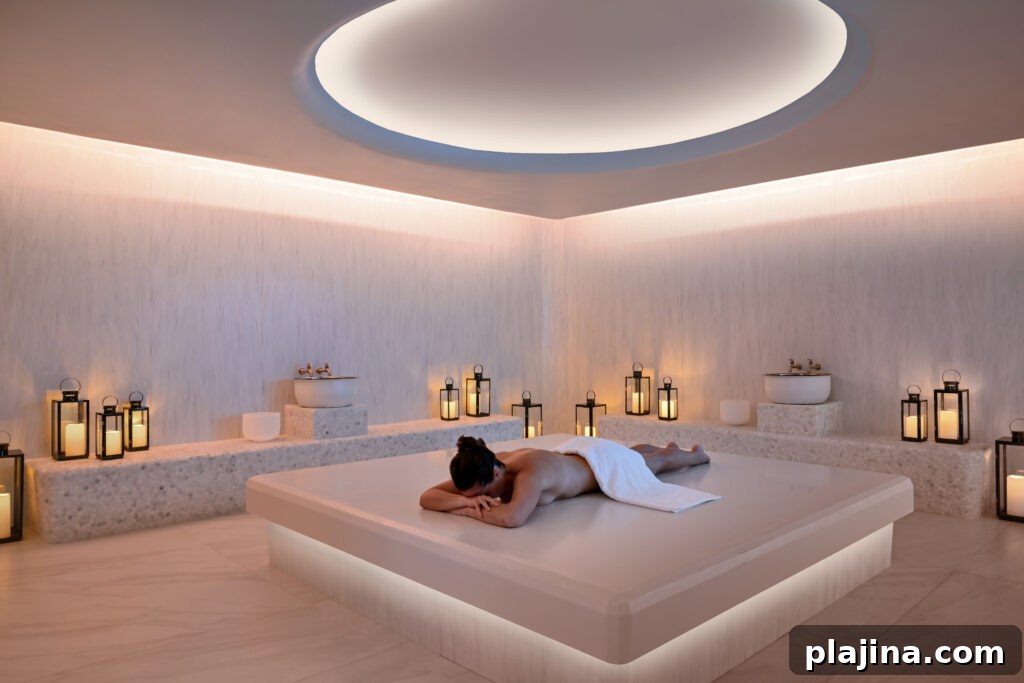
Amrit Ocean Resort © Ken Hayden Photography
Amrit Ocean Resort on Singer Island in Palm Beach County blends Eastern philosophies with modern luxury. The oceanfront resort features more than 103,000 square feet of wellness and spa facilities across four floors, 155 wellness-focused guestrooms and five dining venues. The Aayush hydrothermal experience—steam and sauna rooms, a salt therapy chamber, arctic chill fountains, effusion shower and hot and cold plunge pools—remains a standout offering. Amrit also hosts monthly retreats focused on longevity, with upcoming weekends dedicated to fitness, mindfulness, sleep and relaxation.
One wellness trend expected to accelerate in 2025 is sleep tourism. Research suggests many people are dissatisfied with their sleep, and luxury travelers are increasingly treating rest and recovery as essential elements of a successful trip. Amanda Al-Masri, vice president of wellness at Hilton Hotels & Resorts, highlights that a significant share of travelers now chooses hotels with sleep-centric amenities, prompting brands to integrate evidence-based approaches that support rest and recovery.
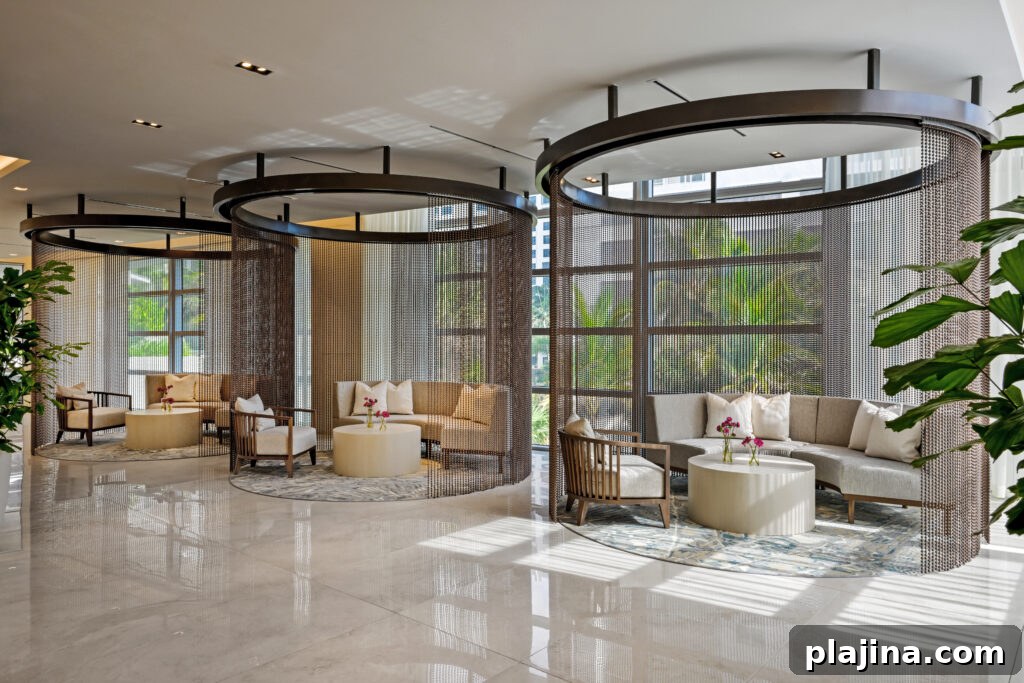
Amrit Ocean Resort © Ken Hayden Photography
Hilton’s approach includes partnerships that bring expert-led sleep and meditation content into hotels, as well as collaborations that keep movement accessible during travel. Across the brand’s portfolio, wellness elements range from immersive spa retreats at Conrad and Waldorf Astoria to sleep-optimized room designs at Hilton Hotels & Resorts and Canopy by Hilton. The aim is to help guests return home feeling restored and rebalanced.
Conrad Orlando exemplifies this focus with Wellness Rooms designed for deep rest, featuring soundproofing, blackout curtains and layouts that promote relaxation. The resort pairs sleep-focused rooms with spa services and mindfulness programming to provide a comprehensive, science-backed path to better rest during travel.