
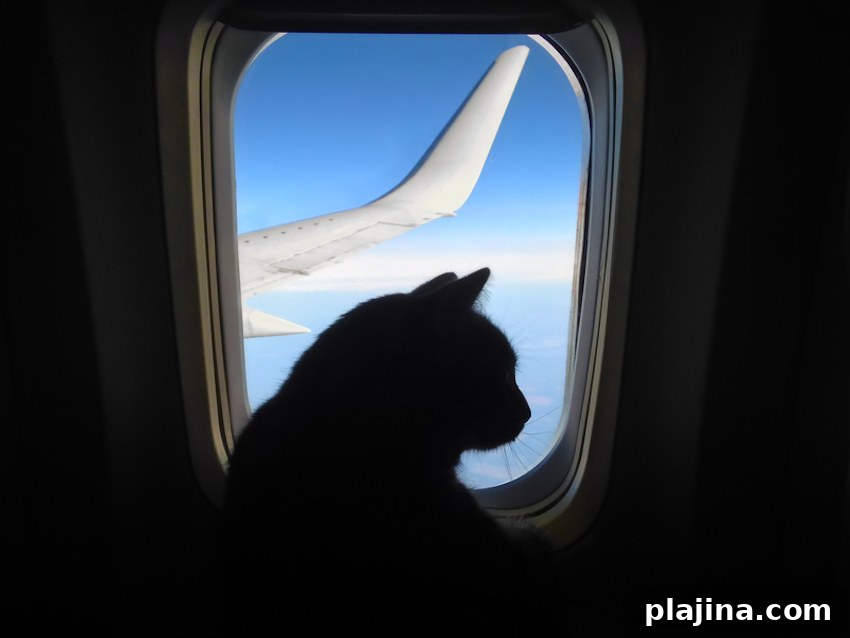
A recent study ranked U.S. airlines by their record for transporting pets, using U.S. Department of Transportation incident data from 2017–2018. The DOT maintains a detailed log of animal incidents on air carriers, including injuries, losses and deaths. While these figures don’t capture every aspect of a pet’s travel experience, they provide a useful measure of incident rates and the effectiveness of airline pet policies.
The study covers the travel of more than 400,000 animals and excludes pets transported as cargo. Based on the DOT data for 2017–2018, Alaska Airlines had the strongest record: in 2018 the airline reported only one animal injury. Alaska transported 143,634 animals that year, representing roughly 34 percent of all pets carried by the airlines in the study, and maintained the best overall track record across both years.
At the other end of the spectrum, Hawaiian Airlines registered the highest incident rate in 2018. With three reported animal deaths out of about 9,500 transported pets, Hawaiian’s per-animal incident rate was the worst that year.
However, the total number of animal deaths onboard in 2018 was highest for Delta Air Lines. The DOT’s February 2019 Air Travel Consumer Report documents four animal deaths on Delta flights. By comparison, Hawaiian recorded three deaths, United two and American one. Because Delta carried a larger total number of animals, its rate in the incident dataset appears more favorable, even though it experienced the greatest number of fatalities that year.
For pet owners, industry and animal welfare organizations emphasize safer travel practices. The Humane Society recommends that small pets travel in the main cabin with their owners rather than in cargo, and never in an overhead bin. Carriers should be large enough for the animal to stand up and turn around comfortably, and puppies or kittens should be at least eight weeks old before flying. Many airlines also require health certificates or veterinary records prior to travel, so pet owners should check each carrier’s specific rules before booking.
When planning air travel with a pet, consider these practical steps: verify the airline’s live-animal policies and incident history, confirm carrier dimensions and in-cabin allowances, obtain any required health documentation well in advance, and choose direct flights when possible to reduce stress and handling. These precautions, combined with selecting an airline with a strong safety record for animals, can help minimize risks and make the trip safer and less stressful for both pets and their owners.