-
 Bongeunsa Temple © Sane639 | Dreamstime.com
History is only one of the many reasons to add the beautiful destination of South Korea to your travel list. From ancient religious sites to political and cultural landmarks, the country offers a rich array of attractions. Below are seven standout places that capture Korea’s history, architecture and spirit. -
© Mr.wijit Amkapet | Dreamstime.com
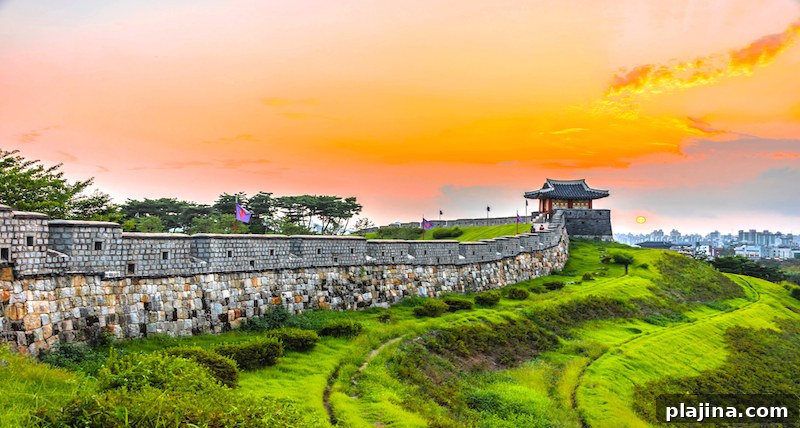
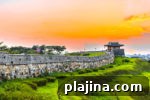
Hwaseong Fortress was built by King Jeongjo of the Joseon dynasty in 1794 to honor his father. Located about 19 miles south of Seoul, the fortress surrounds Suwon and features Korea’s largest gate, multiple watchtowers and a beacon tower. Its restoration and preservation led to UNESCO designation in 1997, and the complex remains an impressive example of late Joseon military and civil architecture. -
© Tuomaslehtinen | Dreamstime.com
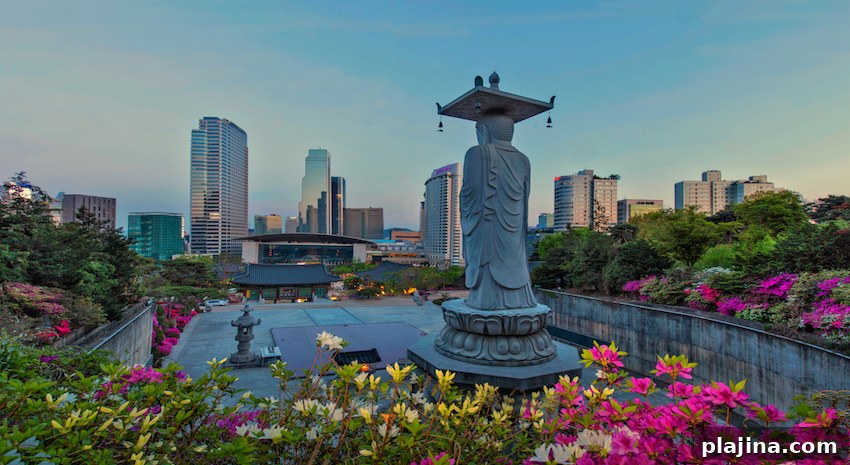
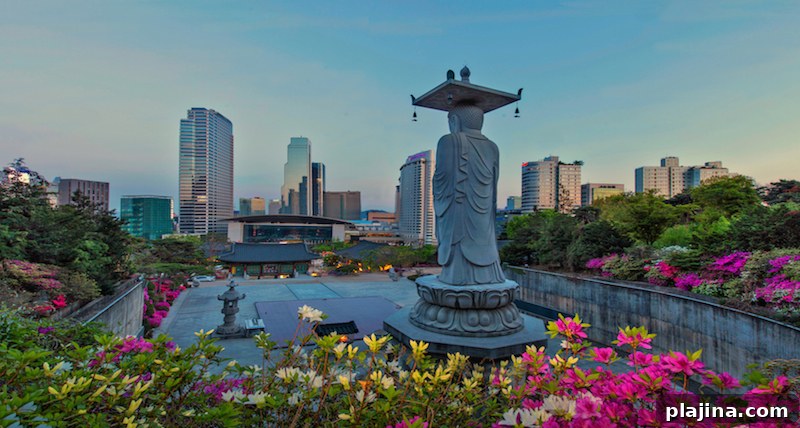
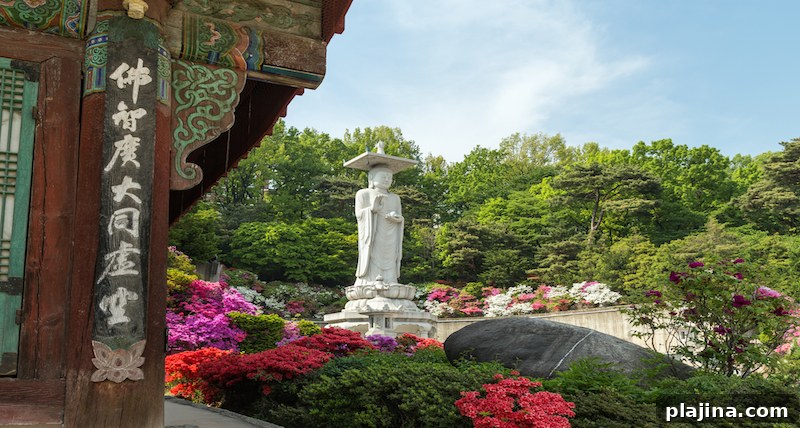
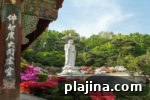
Founded in 794, Bongeunsa is one of Korea’s oldest Buddhist temples. Perched on Sudo Mountain in Seoul, it overlooks the city and is directly opposite the COEX Mall. The temple’s peaceful grounds and traditional buildings offer visitors panoramic views and cultural experiences, including the popular Temple Stay program that allows guests to experience monastic life for a short period. -
© Sean Pavone | Dreamstime.com
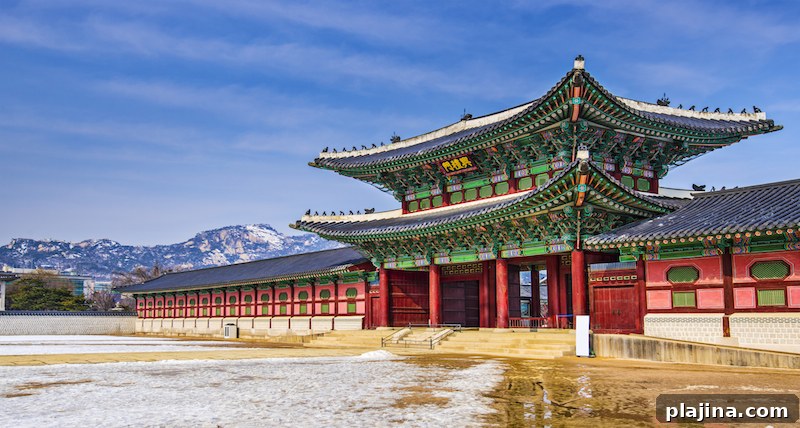
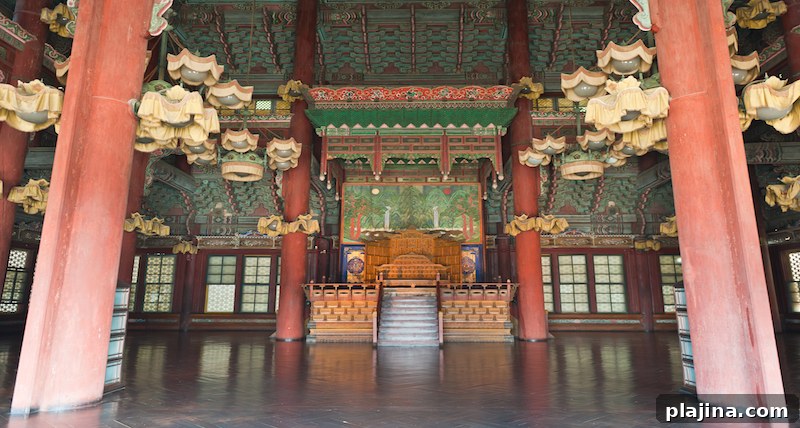
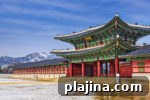
Gyeongbokgung Palace, built in 1395, was the primary royal palace of the Joseon dynasty. Located in northern Seoul, it is the largest of the Five Grand Palaces and served as the kings’ residence for centuries. Though parts of the complex were destroyed during invasions, the palace has been restored and now houses the National Palace Museum of Korea and the National Folk Museum, offering insight into Korea’s royal history and cultural heritage. -
© Tratong | Dreamstime.com
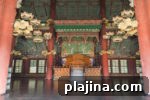
Changdeokgung Palace is another of Seoul’s Five Grand Palaces and was favored by many Joseon rulers. Though damaged during the Japanese occupation, much of the palace and its Secret Garden survive. The complex blends refined palace architecture with natural landscaping and reflects design elements that trace back to Korea’s earlier Three Kingdoms period. -
© Dsmsoft | Dreamstime.com
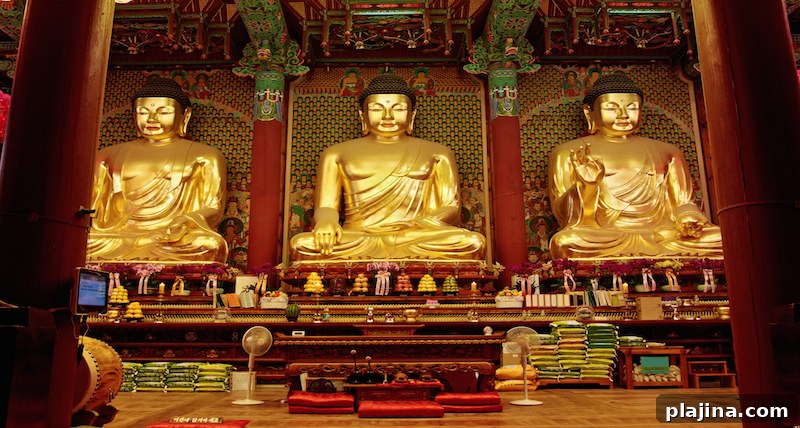
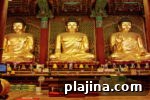
Jogyesa Temple is the chief temple of the Jogye Order and a central hub for Korean Buddhism today. Located in central Seoul near Gyeongbokgung Palace, Jogyesa dates back to the late 14th century. Its distinctive architecture, large public events and two ancient trees make it a living center of contemporary Buddhist practice and cultural activity. -
© Vincentstthomas | Dreamstime.com
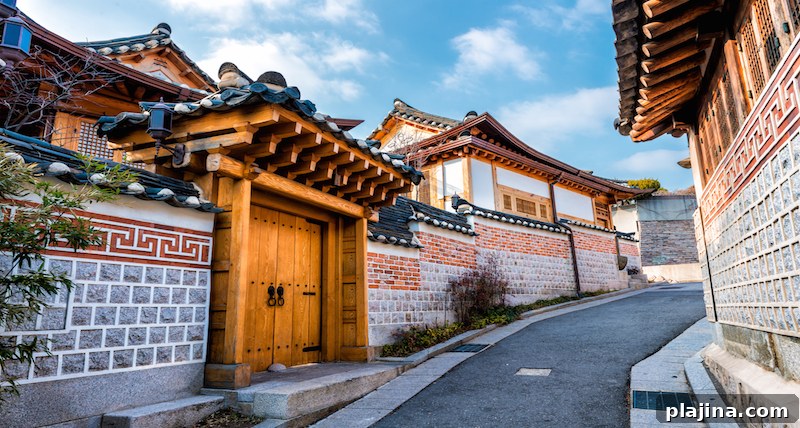
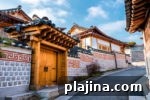
Bukchon Hanok Village preserves hundreds of traditional hanok houses and the narrow streets of a historical Seoul neighborhood. Sitting between Gyeongbokgung Palace, Changdeokgung Palace and Jongmyo Shrine, the village offers a cultural center, traditional tea houses and restaurants. It provides a vivid glimpse into urban life as it developed over the past six centuries. -
© Ongchangwei | Dreamstime.com
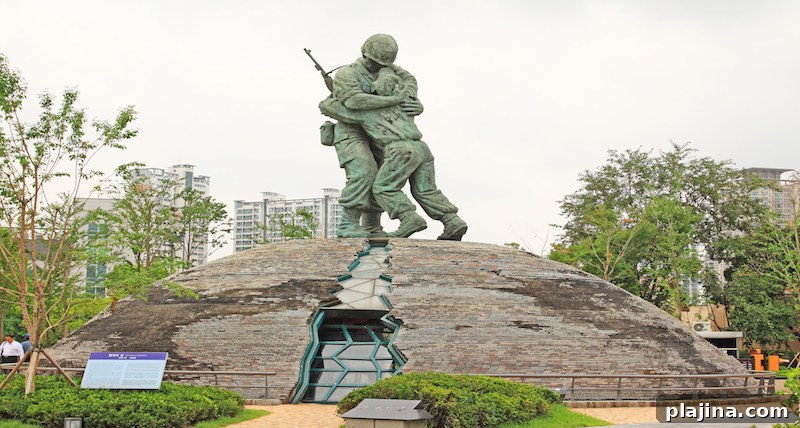
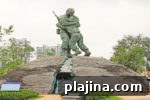
The War Memorial of Korea stands on the site of the former South Korean infantry headquarters. The museum includes multiple indoor exhibition halls and an outdoor display of military equipment and monuments from the Korean and Vietnam Wars. A central statue of two brothers — one South Korean and one North Korean soldier — poignantly symbolizes the human cost of the peninsula’s division.