
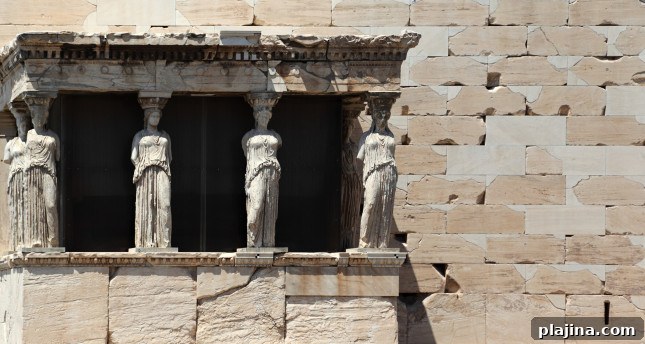
Beginning around 750 BC, Greece entered a period of rapid population growth and cultural expansion. Over the next four centuries the population rose from roughly 800,000 to more than 10 million, fueling the spread of Greek settlements, influence, and religious practices across the Mediterranean and beyond. This era saw the construction of many remarkable temples—sacred centers of worship, civic identity, and artistic achievement.
Below are five notable temples from that transformative period, both within mainland Greece and in regions influenced by Greek culture. Each example illustrates a different aspect of Greek religious architecture, from Doric austerity to Ionic refinement, and highlights how temples functioned as focal points for communal life as well as expressions of local wealth and devotion.
1. The Temple of Hera
The Temple of Hera, dedicated to the goddess of marriage and family, exemplifies the early development of monumental stone architecture. Often characterized by its broad, sturdy Doric columns and simple, powerful lines, Hera’s temples signaled a shift from wood to stone construction. These sanctuaries served religious rites, festivals, and offerings, and their visible presence on the landscape reinforced the sanctuary’s role as a social and religious anchor.
2. The Temple of Apollo
Temples dedicated to Apollo, god of prophecy, music, and healing, became prominent features of Greek religious life. Many Apollo temples—whether at coastal sites, hilltops, or within city sanctuaries—were centers for oracular consultation, musical contests, and civic gatherings. Architectural styles varied by region, but Apollo’s sanctuaries frequently showcased careful proportions, sculptural programing, and attention to acoustics and sightlines for ritual performance.
3. The Temple of Athena
Athena, goddess of wisdom and war, inspired some of the most ambitious temple projects in the Greek world. Temples to Athena often occupied commanding positions within the polis, reflecting the goddess’s civic importance. These buildings combined architectural refinement with sculptural programing that celebrated mythic foundations, military victories, and the city’s patronage. Their façades and pediments provided spaces for monumental sculpture and narrative reliefs.
4. Colonial Temples in Magna Graecia
As Greek settlers established colonies across southern Italy and Sicily—an area known as Magna Graecia—they brought their religious architecture with them. Colonial temples adapted mainland designs to new materials and local conditions, resulting in distinctive regional variations. These sanctuaries served as hubs for trade, festivals, and political life, demonstrating how Greek religious forms traveled and transformed as part of wider cultural exchange.
5. Temples of the Hellenistic Age
In the centuries following the Classical period, Hellenistic rulers and affluent cities commissioned grand temples that reflected increased wealth and cosmopolitan tastes. Hellenistic temples often exhibited elaborate decoration, mixed architectural orders, and greater emphasis on theatrical settings and urban integration. They illustrate how Greek religious architecture continued to evolve while remaining rooted in earlier traditions.
Together, these temples offer a window into how religion, art, and civic identity intertwined during a period of intense demographic and cultural change. From modest early structures to monumental civic shrines, Greek temples were more than places of worship: they were statements of community, artistry, and shared belief.