
Most travelers to Hungary head straight to Budapest for its thermal baths, lively dining scene, nightlife and striking architecture. As a result, many other regions and villages are often overlooked — yet they offer rich cultural experiences, scenic landscapes and distinctive local traditions. Several Hungarian villages have even been recognized on the United Nations World Tourism Organization’s Best Tourism Villages list.
Whether you’re replacing a Budapest-focused trip or adding a few extra days to your itinerary, consider visiting these award-winning Hungarian destinations:
© Visit Hungary
Tokaj
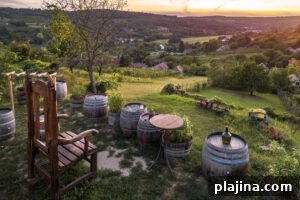
Designated a UNESCO World Heritage site, Tokaj sits at the heart of a thousand-year winemaking tradition. The region is famous for its hand-cut wine cellars and for producing the botrytized Tokaji Aszú, long celebrated for its complexity and sweetness. Vineyards roll into views of the Zemplén Mountains, creating a peaceful backdrop for tastings and vineyard walks. Tokaj rewards a relaxed visit rather than a rushed daytrip — you can unwind in the area’s boutique hotels and spas set among historic vineyards, and linger over cellar tours and wine pairings to fully appreciate the local terroir.
Hosszúhetény © Visit Hungary
Hosszúhetény
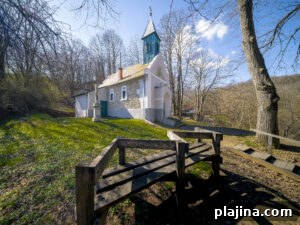
Set at the foot of the southern Mecsek Mountains, Hosszúhetény is a compact village that feels like a living folk museum. In autumn the community celebrates the Hetény Harvest, a colorful festival where traditional costumes and local customs are on full display. The village also preserves the Glass Exhibition, honoring glassmakers who shaped the area’s craft heritage in the 18th century. Nature lovers will appreciate nearby forest retreats that connect to the National Blue Trail, offering access to volcanic peaks, dense woodlands and well-marked hiking routes for peaceful day hikes and panoramic views.
Mórhalom – Bivalyrezervátum © Visit Hungary
Mórahalom
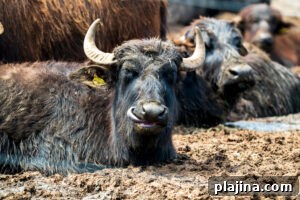
Mórahalom blends agricultural roots with contemporary rural renewal and wellness. The town is celebrated for Ezer Év Parkja (Park of a Thousand Years), an open-air collection featuring miniature historical scenes that illustrate Hungary’s past. The Bivalyrezervátum (Buffalo Reserve) offers a chance to observe water buffalo in a natural setting, while equestrian culture is showcased at the Horseshoe Horse Theater, which stages ambitious performances that mix horsemanship with theatrical production. For visitors seeking therapeutic relaxation, local medical wellness hotels provide treatments and access to the mineral-rich waters of nearby spas, making Mórahalom a destination for both culture and wellbeing.