
TOKYO
Tokyo is a city of extremes that defies simple description. As Japan’s capital and its political, economic, and cultural heart, Tokyo is the largest metropolitan area in the world and home to millions. It competes with global centers like London and New York for commerce and influence. Yet despite its immensity and occasional intensity, Tokyo also offers serene pockets and a refined sense of balance. The city blends deep-rooted traditions with cutting-edge modernity, bustling urban districts with tranquil parks and gardens—creating contrasts that make it endlessly engaging for visitors.
GETTING THERE
Tokyo is served by two major international airports. Narita International Airport (NRT) lies roughly 40 miles from central Tokyo, and transfers can be lengthy and costly. Taxis from Narita to the city can be expensive, while shared airport vans and scheduled airport buses offer more economical options—be sure to buy tickets at the terminal. Haneda Airport (HND), closer to central Tokyo, handles many international flights and provides faster access. The Tokyo Monorail connects Haneda to the city center in about 20 minutes for around $5, and the Keikyu Airport Line reaches the city in roughly 30 minutes for a slightly lower fare.
GETTING AROUND
Taxis are readily available but pricey, with base fares that quickly add up. Public transportation is the practical choice for most visitors: it’s clean, punctual, and extensive, though the network can be complex for newcomers. Tokyo Metro operates multiple underground lines and Toei runs additional lines; short subway rides are inexpensive. Services generally run from early morning until around midnight with frequent departures. For easy travel on JR lines, the Yamanote Line—Tokyo’s circular rail line linking major neighborhoods—is popular among tourists, and day passes for unlimited travel on certain routes are affordable and convenient.
TOP ATTRACTIONS
Imperial Palace
At the city’s center, the Imperial Palace sits within wooded grounds that offer a peaceful contrast to Tokyo’s urban energy. The outer gardens—Kokyo Gaien and Kokyo Higashi Gyoen—along with Kita-no-maru Park are open to the public without charge. Guided visits and reservations allow access to areas near the palace, while the inner grounds are accessible to visitors on select occasions each year.
Mori Art Museum
Located in the Roppongi Hills complex, the Mori Art Museum is one of Asia’s major contemporary art venues. Alongside rotating exhibitions of modern art, the facility provides impressive skyline views of Tokyo. The museum typically opens daily except on specific closed days—check local schedules for exact hours.
Tsukiji Fish Market
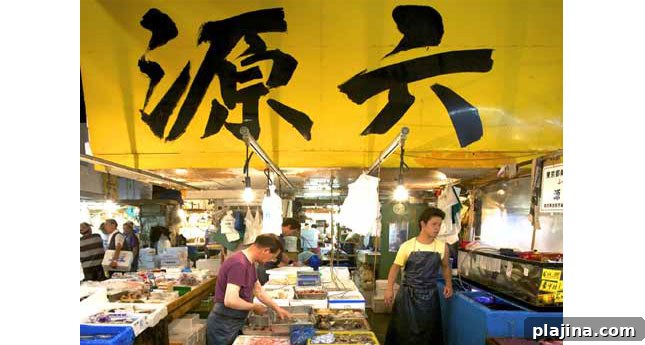
Tsukiji preserves Tokyo’s long history of riverside and coastal fish markets. An early-morning visit reveals a lively scene of vendors, buyers, and a dazzling variety of seafood. Strolling the market lanes and sampling fresh sushi breakfast at nearby eateries is a quintessential Tokyo experience.
EVENTS AND FESTIVALS
Antique Jamboree
Japan’s largest antiques fair, the Antique Jamboree brings together hundreds of vendors selling a wide range of items from across Japan and beyond. The event often features demonstrations of restoration techniques and other crafts, making it ideal for collectors and curious visitors alike.
Kanda Matsuri
Kanda Matsuri is one of Tokyo’s most renowned festivals and among Japan’s three major matsuri. The festival features dozens of portable shrines (mikoshi) paraded through the streets. Celebrations vary by year, with larger processions and events held in odd-numbered years, including a prominent Saturday parade that draws hundreds of participants.
Ueno Sakura Matsuri
The Ueno Cherry Blossom Festival celebrates spring with thousands of blooming cherry trees in Ueno Park. The park is illuminated by lanterns during the festival, creating a memorable atmosphere as visitors gather to admire the blossoms and enjoy seasonal food and festivities.
RESOURCES
For official visitor information, consult Tokyo’s tourism resources and local guides for up-to-date details on attractions, transportation, and event schedules.