
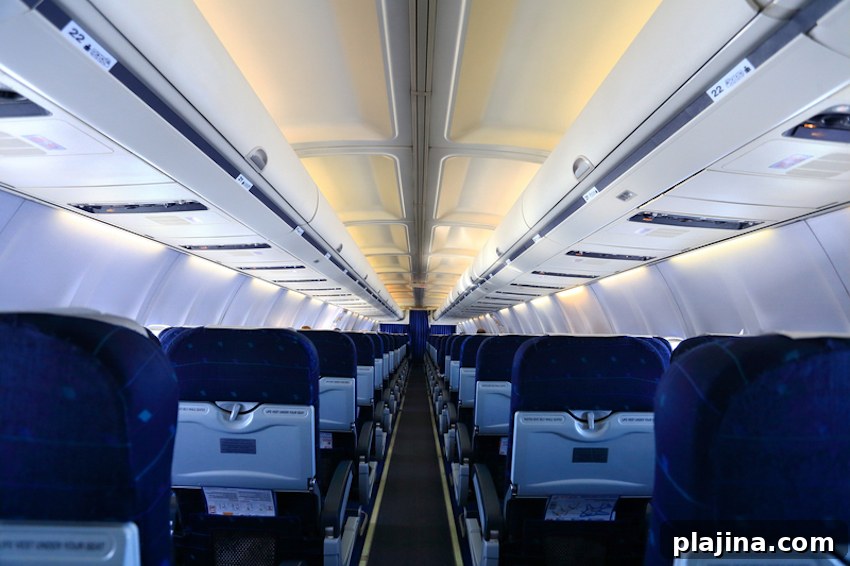
You may want to pack a disinfectant wipe the next time you fly. A recent study examining cabin surfaces found that some of the dirtiest areas on commercial aircraft are the headrests and seat pockets. The research sampled more than 100 sites across 18 flights operated by three major Canadian carriers—Air Canada, WestJet and Porter—and reported widespread microbial contamination.
About half of the swabbed locations contained bacteria, yeast or mold. In particular, E. coli was detected on headrests and inside seat pockets. Other commonly used surfaces, including lavatory door handles, tray tables and seat belts, also showed the presence of microbes capable of causing infection. These findings highlight how easily frequently touched surfaces can become reservoirs for germs on crowded flights.
Passengers may wonder why cabin crews do not sanitize these areas between flights. According to Stephane Poirier, a former WestJet employee, the reality is that time and resources are limited during quick turnarounds.
“We had no time to wash the table or clean everything perfectly,” Poirier explained. “We don’t have rags, we don’t have spray on board. Lots of [cleaners] are a dangerous good … so it’s either water from the aircraft, or a napkin.”
Short ground times, strict weight and safety rules for hazardous materials, and operational priorities mean deep cleaning of passenger areas between each flight is often impractical. Airlines typically rely on standard cleaning protocols performed by ground crews during longer layovers or overnight, while cabin attendants focus on essential safety tasks and tidying seats for boarding.
Given these limitations, travelers can take simple precautions to reduce their exposure to germs. Wiping down tray tables, armrests, headrests and seat belt buckles with an alcohol-based wipe can lower microbial load on those surfaces. Using hand sanitizer after touching public surfaces—especially before eating—helps reduce the chance of transferring bacteria or viruses from surfaces to your face. Keeping hands away from the face and using the provided napkins or paper covers where available are practical habits, too.
Airlines and airports are also under pressure to improve cleaning practices, particularly following public health concerns. Some carriers have introduced enhanced cleaning procedures, HEPA filtration systems, and targeted disinfection of high-touch areas during longer ground times. Still, the study’s results underscore that passengers share responsibility with operators: being mindful of hygiene choices while traveling remains a simple, effective way to lower personal risk.