
THE TROUBLE WITH BUCKET-LIST trips is that they don’t always live up to the hype. With high expectations can come disappointment — but an African safari rarely disappoints.
Imagine the sweeping plains of Serengeti National Park in Tanzania, where the landscape feels otherworldly. Unusual trees — sausage trees and flat-topped acacias — punctuate golden grasslands that quickly turn lush and green after the rains. The vistas are vast and quietly dramatic.
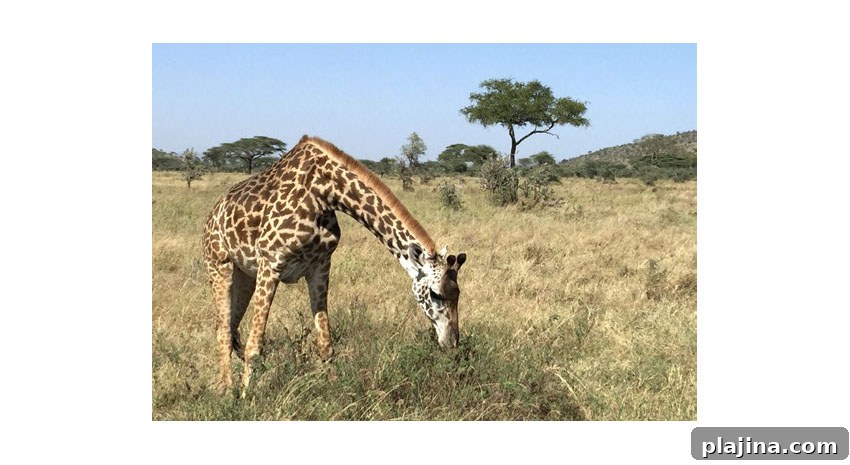
Colorful, exotic birds flit across the scene while large, lumbering ostrich-like birds stride along the ground. Herds of striped zebras gather at watering holes, moving together in rhythm and pausing collectively to regard passing vehicles. Cheetahs often sprawl across tracks, basking in the sun and only reluctantly stirring when a safari vehicle draws near. Giraffes, whether alone or in small groups, crane their long necks to feed from treetops.
Hippos spend their days submerged in smelly watering holes, usually with only their snouts exposed and their gray hides slick with water. Vast lines of migrating wildebeest can stretch to the horizon, while gazelles and impala dot the plains. Baboons sometimes wander into lodges looking for fruit or treats.
The biggest draw is the so-called Big Five — lion, elephant, leopard, Cape buffalo and rhino — the classic measure of a successful safari. With luck and good timing you may see several of these animals in the wild, and in some cases observe them quite closely.
Reaching the Serengeti is part of the journey, especially when travel includes bush-plane flights. From the air you can spot herds moving across the countryside. Depending on your route, you might even fly near Kilimanjaro National Park, home to Africa’s tallest peak — a dramatic landmark long associated with exploration and literature.
Equally memorable are the people you’ll meet. The Maasai, who live in northern Tanzania near the game parks and are known for their distinctive red shukas, often act as guides and cultural hosts. If invited, you may witness their traditional jumping dance, accompanied by rhythmic stamping, vocal calls and percussive sounds.
© FELICITY LONG
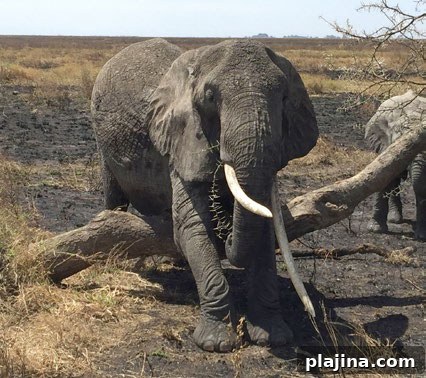
Safaris typically run a half or full day, and if you have particular species you want to see it’s wise to schedule multiple drives. Experienced guides know the animals’ daily patterns and can help you spot creatures that are adept at hiding — a leopard draped over a distant branch can be hard to notice without guidance and binoculars. Lions, by contrast, often rest or feed by roadsides without much concern. Elephants may stand their ground while they strip branches, even when vehicles approach.
Planning is essential. Although many travelers prefer a spontaneous approach, a safari requires logistics: choosing park regions, timing for migrations and coordinating transfers. Hundreds of tour operators specialize in Tanzania safaris and can recommend the best seasons and locations. If witnessing migration is your priority, they will advise when and where to go. Generally, the rainy season falls in spring, while summer and early fall are typically the best for game viewing.
Accommodations vary from tented camps to luxury safari lodges. Typical services include daily game drives, experienced guides, laundry and meals. Some properties offer elevated comforts — gourmet dining, wine pairings, fine linens and sundowners served at sunset.
Health preparations matter. Consult your physician well before travel to follow recommended vaccinations and malaria prevention. Pack thoughtfully: insect repellent, light-colored clothing (white or beige) and long sleeves help deter tsetse flies, and safari pants provide practical protection. These measures keep you healthy and comfortable so insect bites or stomach issues don’t distract from the trip.
Pay attention to baggage limits if your itinerary includes bush-plane flights — weight restrictions are strict, so travel light. Many lodges offer laundry services so you can pack fewer garments and still enjoy fresh clothes for each game drive.
Tanzania Info to Go
Traveling to Tanzania is a long-haul journey. Most international flights arrive at Kilimanjaro International Airport, with common connections through hubs such as İstanbul and Dar es Salaam. From there you’ll likely take a domestic shuttle to Arusha, roughly 35 miles away, where safari operators or lodges typically meet guests. The transfer is part of the experience — wildlife sightings often begin before you even reach the park.