
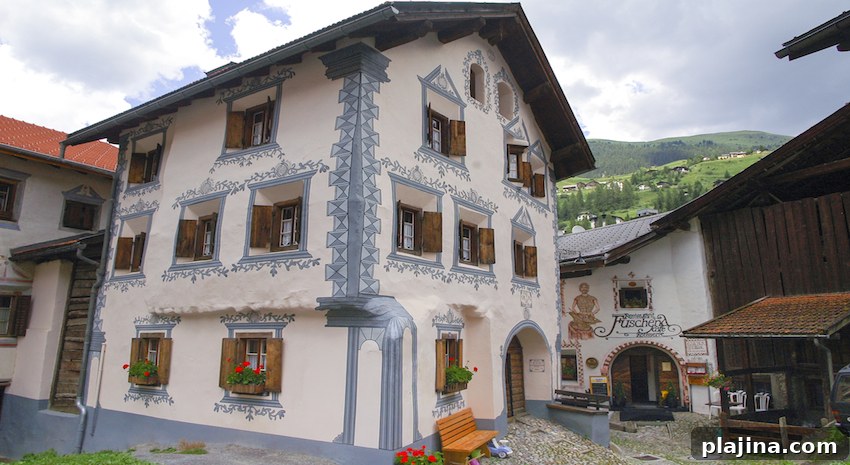
If you’ve visited Switzerland, you’ve likely taken photos of the country’s scenic landscapes. If Switzerland is still on your travel list, one picturesque town has introduced a unique new rule that may prevent you from posting a classic “wish you were here” snapshot on social media.
The commune of Bergün (Bergun in German), located north of the alpine resort town St. Moritz, has approved a law restricting photography of the village’s public spaces. Local officials say the initiative responds to concerns that repeatedly sharing idyllic images can trigger travel envy and negative feelings among people who are unable to visit. A notice displayed in the town explains that “photographs of our picturesque landscape, shared on social media, can make others unhappy because they themselves cannot be here.”
The village tourist office cites research suggesting that viewing idealized holiday images on social media can create dissatisfaction for some viewers. In response, the office has removed photographs of the alpine village from its official Facebook and Twitter accounts and plans to take down similar images from its website.
Visitors may be tempted to photograph the sign that asks people not to take pictures, but Bergün’s ordinance includes a modest penalty for violations: those found taking prohibited photos can be fined five dollars, with the funds earmarked for landscape protection. The fine and the wording of the rule have generated international attention and debate about the balance between tourism promotion and community well-being.
The measure is part of a deliberate campaign by Bergün’s tourism bureau to highlight the village and spark conversation. Although the law is formally in place, local authorities indicate it is unlikely that the fine will be routinely enforced; the primary goal appears to be raising awareness about the social and environmental impacts of overtourism and image-driven travel behavior.
By reframing how visitors share images, Bergün invites a different kind of engagement: one that emphasizes respect for residents and the local environment rather than constant online display. Whether the policy will influence other destinations or change visitor habits remains to be seen, but the story has already put this small Swiss commune on the map for travelers and observers interested in responsible tourism.