
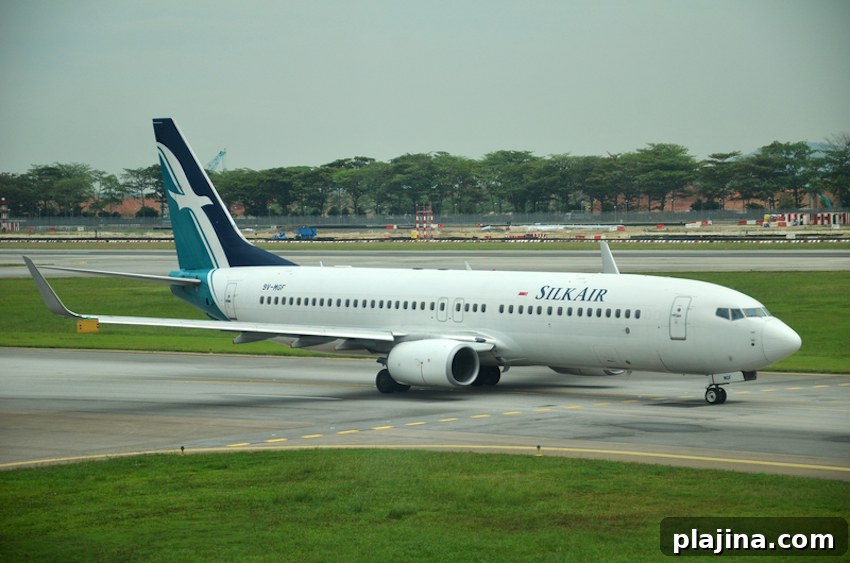
SilkAir, the regional subsidiary of Singapore Airlines, will be integrated into its parent company’s brand following an investment of approximately $74.4 million to refresh cabin products. The upgrade program includes new lie-flat seats for business class and seatback in-flight entertainment systems for both business and economy cabins.
According to Singapore Airlines, the merger aims to deliver “closer product and service consistency across the SIA Group’s full-service network.” By aligning cabin standards and onboard services, the group expects a more cohesive experience for passengers across short-, medium- and long-haul routes.
The cabin refit for SilkAir is scheduled to begin in 2020. The merger is planned to take place once a substantial number of aircraft have been retrofitted with the new products. As part of the consolidation, some routes and specific aircraft may be reallocated between SilkAir and Singapore Airlines to better match capacity and network strategy.
Goh Choon Phong, CEO of Singapore Airlines, described the move as a key milestone in the airline’s broader Transformation Programme. “Singapore Airlines is one year into our three-year Transformation Programme and today’s announcement is a significant development providing more growth opportunities and preparing the Group for an even stronger future,” he said. “Importantly, it will be positive for customers. It is another example of the major investment we are making to ensure that our products and services continue to lead the industry across short-, medium- and long-haul routes.”
The integration is expected to standardize the inflight experience, making amenities and service levels more uniform across the combined network. Business travelers will benefit from the lie-flat seats and upgraded entertainment options, while economy passengers will gain improved seatback entertainment systems. Operationally, the consolidation allows the group to streamline training, maintenance and product support under a single brand.
SilkAir’s current role as a regional carrier serving short- and medium-haul markets complements Singapore Airlines’ long-haul operation. Bringing SilkAir into the main brand will allow the group to better coordinate schedules, aircraft utilization and customer service standards. The phased approach—refitting aircraft first, then completing the merger—aims to reduce disruption for passengers and staff while ensuring a smooth transition.
As the rollout progresses, customers can expect to see retrofitted aircraft gradually enter service on selected routes. The carrier will continue to operate its existing network during the upgrade period, with route adjustments made as necessary to reflect aircraft availability and market demand. The company has emphasized that the initiative is focused on enhancing the passenger experience while positioning the SIA Group for future growth.