
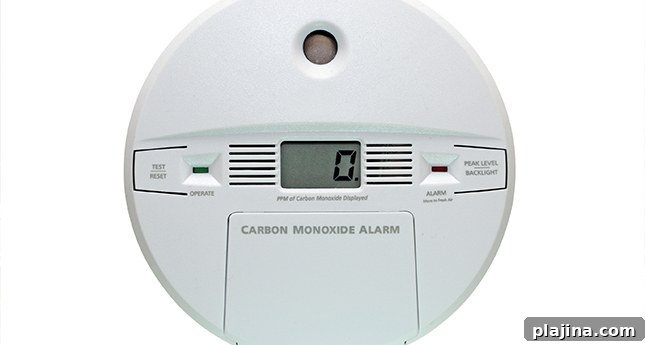
Carbon monoxide (CO) is a colorless, odorless, and potentially lethal gas produced when fuels do not burn completely. You can inhale CO without knowing it, which can lead to sudden illness or death. Common sources include vehicle exhaust, lanterns, stoves and gas ranges, charcoal grills, gasoline generators, and heating systems. CO often occurs alongside other odorless combustion gases, making detection without a proper device impossible.
In the United States, carbon monoxide poisoning is the leading cause of poisoning deaths from an environmental source. Unintentional CO exposures result in roughly 500 deaths and about 15,000 emergency room visits each year. CO poisoning can occur in any season and in many settings: homes, vehicles, boats, and recreational areas.
When inhaled, carbon monoxide binds to hemoglobin in the blood, displacing oxygen and reducing oxygen delivery to the heart, brain, and other vital organs. High levels of CO can overwhelm a person quickly, causing loss of consciousness within minutes.
Symptoms of CO poisoning are often nonspecific and can resemble the flu. They include headache, dizziness, weakness, confusion, memory problems, nausea, vomiting, difficulty breathing, chest pain, and a fast or irregular heartbeat. Because symptoms vary among individuals, mild poisoning may go unrecognized.
Certain groups are at higher risk for rapid or severe effects: infants and young children, older adults, people with heart or lung disease, those at high altitudes, and people with elevated baseline CO levels such as smokers. Pregnant people and their fetuses are also particularly vulnerable to CO’s harmful effects.
If detected early, CO poisoning can be treated successfully, but recovery can be slow. Outcomes depend on the concentration of CO and the duration of exposure. Even after apparent recovery, acute CO poisoning can cause long-term damage to oxygen-sensitive organs like the brain and heart. There are also reproductive risks associated with significant CO exposure.
If you suspect someone has been exposed to carbon monoxide, act immediately: move the person to fresh air outdoors, call 911 (or your local emergency number), and, if the victim is breathing, administer 100 percent oxygen via a tight-fitting mask if available. If the victim stops breathing, begin cardiopulmonary resuscitation (CPR) and seek emergency help.
Treatment focuses on removing CO from the bloodstream as rapidly as possible. In hospital settings, this typically involves breathing high-flow pure oxygen through a mask to speed the replacement of carboxyhemoglobin with oxyhemoglobin and improve oxygen delivery to tissues. Patients who cannot breathe independently may require mechanical ventilation. In selected cases, hyperbaric oxygen therapy is used to accelerate CO elimination and reduce the risk of long-term neurological injury.
Simple, practical precautions significantly reduce the risk of CO poisoning. Install carbon monoxide detectors in your home and test them regularly—check batteries at least twice a year, ideally when you change smoke detector batteries. If a CO alarm sounds, evacuate immediately and call the fire department. When traveling, bring a portable plug-in CO detector for overnight stays in unfamiliar lodging.
Never run a vehicle inside a closed garage; always clear snow and debris from the tailpipe before starting a car. Do not use a gas stove or oven to heat your home. Operate portable heaters, camp stoves, and generators outdoors and well away from windows and doors. Maintain fireplaces and all gas appliances, ensure proper ventilation, and clean chimneys and flues annually. Ask your utility company or a qualified technician to perform yearly inspections of furnaces and other fuel-burning appliances.
Boaters should also be vigilant. Install a working CO detector onboard. CO can accumulate in cabins, cockpits, and open areas when a vessel idles or moves slowly. Keep at least 20 feet between your boat and any other boat that has its engine or generator running, and be aware that exhaust from nearby vessels can drift into your boat’s occupied spaces.
If a CO incident occurs in your home, do not return until the source has been identified and repaired. Local fire departments or utility companies can assist with locating the source and confirming it is safe to re-enter.
DETECTION AND PREVENTION
• Have heating systems, water heaters, and all gas-, oil-, or coal-burning appliances inspected and serviced annually by a qualified technician.
• Never operate a generator, charcoal grill, or any gas- or coal-burning device inside your home, garage, or near open windows or vents.
• Never leave a car running in an enclosed space, including attached garages.
• Install additional CO detectors near major gas-burning appliances such as furnaces and water heaters, and test them regularly.
The content of this article is for informational purposes only and is not a substitute for professional medical advice, diagnosis, or treatment. Always consult a physician or other qualified health care provider with any questions about a medical condition.