
With travel gradually returning, many visitors still prefer quieter, low-density destinations. If you’re planning a trip to Israel, consider these top wellness spots—each offers opportunities for relaxation, recuperation and, where needed, comfortable social distancing.
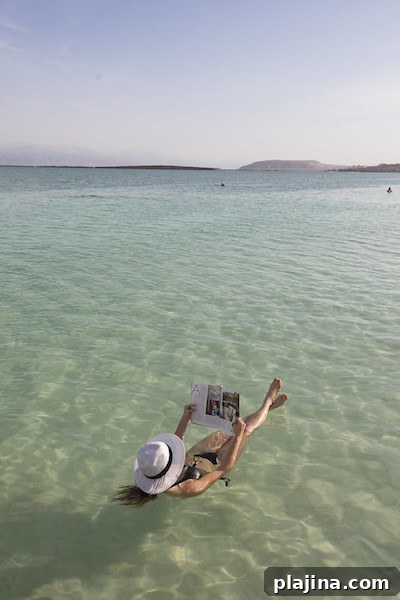
Dead Sea. Photo: Itamar Grinberg
The Dead Sea
The Dead Sea remains one of Israel’s most famous wellness destinations. Visitors come for the mineral-rich mud and salty waters that are renowned for nourishing and rejuvenating skin. Bathing in the sea and applying its mud can help improve skin texture and circulation, while the unique mineral composition and buoyant waters can relieve muscle tension and joint pain. The area is also known for benefits to people with certain respiratory or dermatological conditions, thanks to the low pollen counts and high atmospheric pressure.
Because the shoreline is extensive, it’s usually possible to find a quiet spot and keep a comfortable distance from other visitors, making it a good option for travelers who want both therapeutic benefits and relative seclusion.
Yoga Arava
Located in the Arava Valley, Yoga Arava is a dedicated wellness retreat that combines yoga practice with simple, mindful living. Established over a decade ago, the center runs immersive weekend and multi-day retreats led by local and international instructors. Programs typically include asana, breath work, meditation and restorative sessions designed to reset the body and calm the mind.
Accommodations range from farm stays to boutique guest houses, offering peaceful surroundings and private or semi-private lodging—ideal for those seeking social distance without sacrificing comfort. While some events may be adapted in size and format, Yoga Arava continues to welcome visitors who want a focused, restorative escape in a quiet desert setting.
Northern Israel
Northern Israel offers a different kind of wellness experience focused on food, culture and connection. Culinary initiatives such as Galileat introduce travelers to the region’s culinary diversity through intimate, hands-on workshops that celebrate local ingredients and traditional techniques.
Participants can learn to prepare dishes from Druze, Muslim and Bedouin households, guided by hosts who share recipes, stories and cultural context. These workshops are deeply immersive and rewarding, though they often take place in family homes or small indoor settings, so travelers should consider current health advisories and practice appropriate precautions. When conditions allow, these culinary encounters provide nourishing food, warm hospitality and a meaningful chance to connect with local traditions.
Whether you prefer the soothing minerals of the Dead Sea, a meditative yoga retreat in the desert, or a culinary journey through the north, Israel’s wellness destinations offer varied ways to recharge. Plan ahead, check local guidance, and choose lodging and activities that match the level of privacy and safety you want for your trip.