
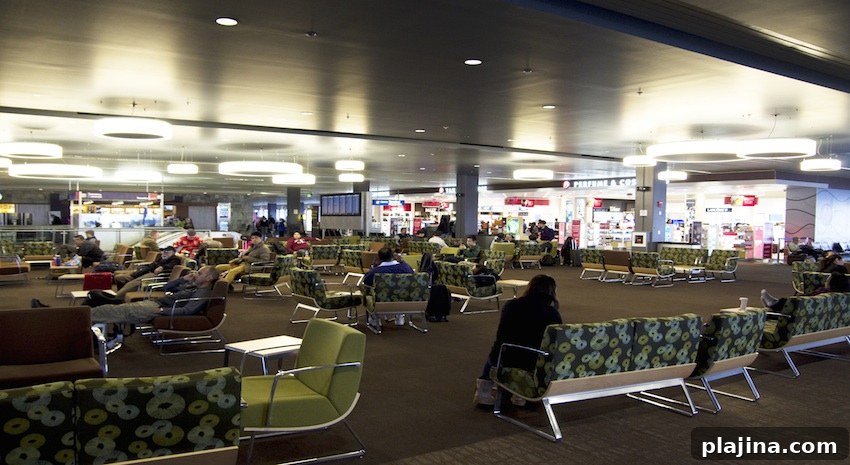
Seattle-Tacoma International Airport (Sea-Tac) is poised for its busiest year on record, with passenger traffic up roughly 10 percent compared with the same period last year, which itself set new records. In 2015 the airport handled about 43 million passengers, a 13 percent increase over 2014, marking another record-breaking year.
Multiple factors appear to be contributing to this sustained growth. Lower jet fuel prices — the cheapest since 2010 — have reduced operating costs for airlines, while expanding demand for both business and leisure travel to and from the Pacific Northwest has increased passenger volumes. Competition among major carriers, including Delta and Alaska Airlines, has helped drive down fares and add new routes. At the same time, low-cost and international carriers such as Spirit, Volaris and Xiamen have added or announced service to Sea-Tac, further broadening the airport’s route network and passenger options.
To handle the rising demand, Sea-Tac has increased hiring for customer-facing roles, focusing on positions that assist travelers with navigation, check-in and security screening. The airport is also investing in substantial infrastructure improvements. Over the next five years, Sea-Tac plans a major renovation of the Alaska Airlines north satellite to modernize gates and passenger amenities. Concurrently, the airport is constructing a new international arrivals facility designed to improve processing capacity today and accommodate future growth in international service.
These operational and capital improvements aim to enhance the traveler experience while allowing Sea-Tac to manage higher throughput safely and efficiently. By expanding staff levels and upgrading terminal infrastructure, the airport is positioning itself to support continued passenger growth and an increasingly diverse mix of domestic and international flights.
Sea-Tac’s recent trends reflect broader airline industry dynamics — lower fuel costs, increased competition, and route expansion — combined with regional demand that continues to draw visitors and business travelers. With planned facility upgrades and additional staffing, the airport is preparing not only to cope with current demand but also to support longer-term growth in passenger traffic.