
ADAT Studio, the Rome-based architecture practice led by Antonio Atripaldi and Andrea Debilio, has unveiled plans for the Museo della Scienza di Roma located within the proposed Science Forest, an urban regeneration project in Rome’s Flaminio district. The scheme reimagines the museum as an open, public-oriented cultural hub that explores the intersections between history, humanity and nature.
© ADAT Studio
Strategically positioned near several major cultural projects in Flaminio, the new museum is intended to serve both the general public and the research community. Its proximity to notable local developments will help integrate the museum within a wider cultural corridor that includes high-profile institutions and projects. The site benefits from established cultural anchors in the neighborhood, contributing to a richer urban fabric and activating public life.
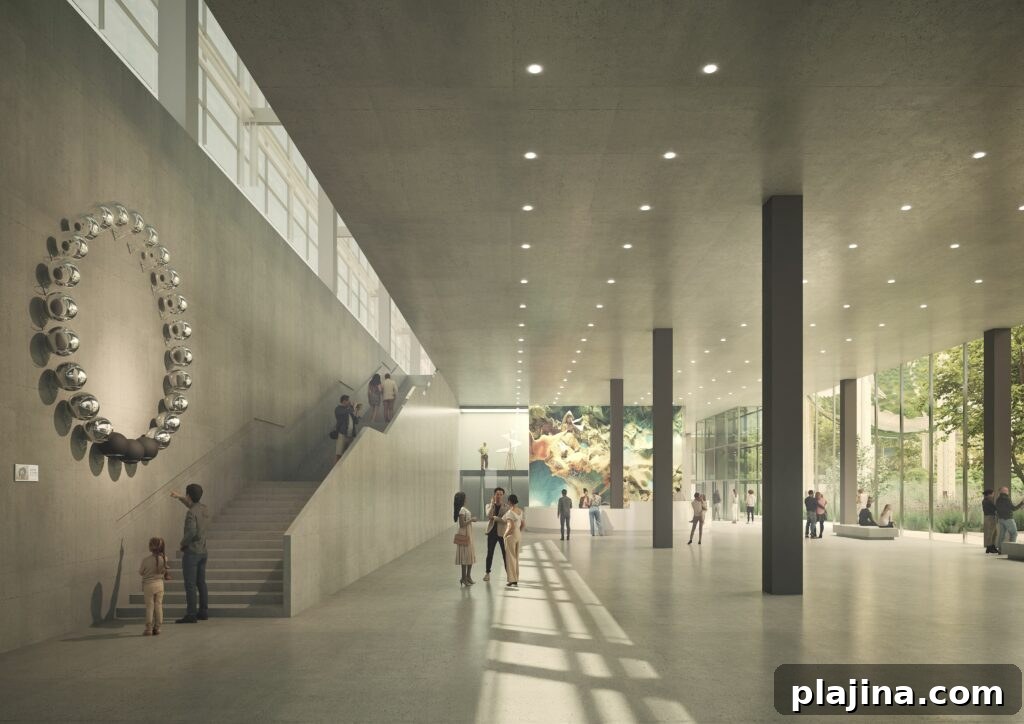
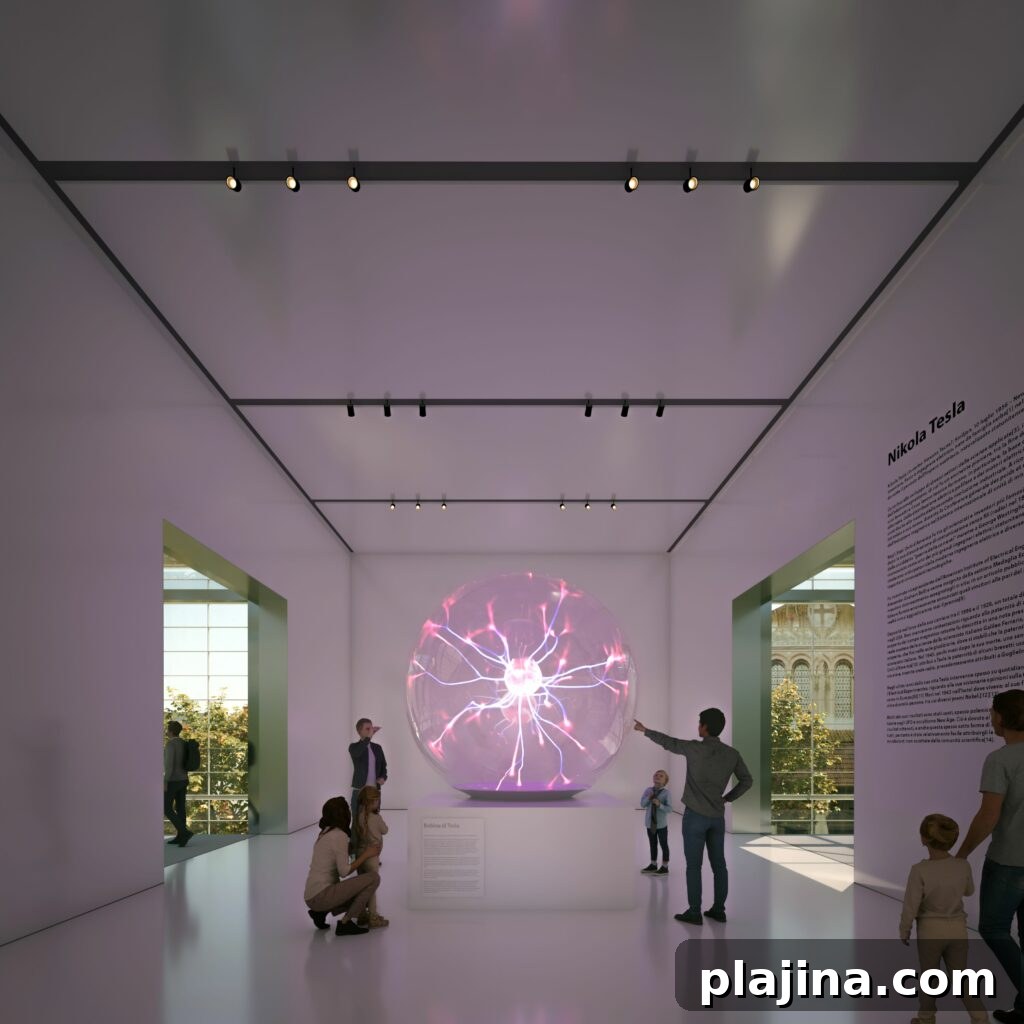
The masterplan integrates a new public park that links directly with adjacent green space, expanding accessible outdoor areas for visitors. Ground-floor areas of the museum are designed to be inviting and porous, with a double-height entrance lobby, a café, a bookshop and a restaurant. These publicly accessible facilities, together with the Science Forest’s landscaped plazas, will form flexible galleries and event spaces suited to exhibitions, educational programs and public gatherings.
© ADAT Studio
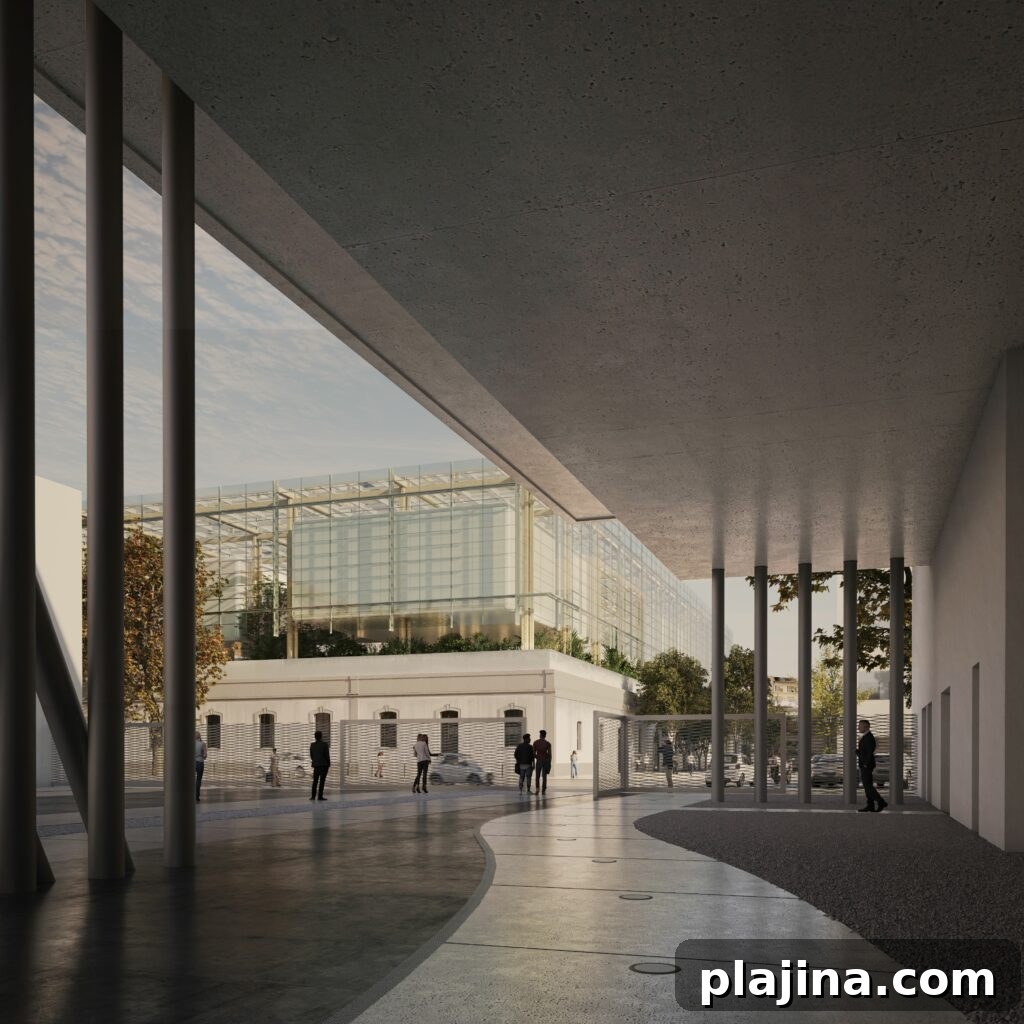
Conceptually, ADAT Studio’s Science Forest is conceived as a living public realm for study, social interaction and civic dialogue. The design features technological “capsules” of varied forms and scales that appear to float above the park, supported by a sculptural arrangement of artificial tree structures and connected by glazed bridges. This layered composition creates a sequence of interior and exterior spaces that encourage exploration and cross-disciplinary encounters.
Environmental performance is central to the proposal. The main building envelope includes semi-transparent, ventilated façades that promote natural ventilation and daylighting. Photovoltaic panels are integrated across the roof and southern façades to generate onsite renewable energy. The building is conceived as a passive “bioclimatic box,” offering visitors immersive encounters with curated plantings, fauna and living systems as part of the museum experience.
Beyond operational sustainability, material and construction strategies are aimed at reducing embodied carbon and minimizing environmental impact. The project retains and conserves existing façades where feasible, employs polycarbonate roofing and lightweight cladding systems, and uses sustainable structural materials such as Glulam timber. These measures target a substantial reduction in embodied carbon compared with conventional construction methods.
© ADAT Studio
The Museo della Scienza di Roma is being designed to pursue high-level sustainability certification under internationally recognized protocols, with targets aligned to LEED® and WELL® standards to ensure occupant comfort and reduced energy use. The construction budget is estimated at approximately €75 million, with work anticipated to begin in 2025 and a public opening projected for 2027. Much of the complex will be developed within and around the existing military barracks along Via Guido Reni in the Flaminio quarter, transforming underused urban fabric into a cultural precinct.
“We are thrilled to have been commissioned to design what is undoubtedly one of the most important cultural buildings and urban projects in Rome in the last decade,” said Andrea Debilio, partner at ADAT Studio. He highlighted the firm’s emphasis on thoughtful design and contemporary environmental strategies that aim to enrich educational and cultural experiences across the city.
Programmatically, the museum will include around 16,400 square feet of new indoor exhibition space and approximately 6,560 square feet of landscaped outdoor areas for events and outreach activities. Supporting facilities will include a 3,608-square-foot research center, reception and ticketing areas, offices, storage, and visitor amenities such as restrooms and service spaces. The arrangement of public and back-of-house functions has been planned to maximize flexibility and long-term operational efficiency.
By combining contemporary architecture, sustainable technologies and an activated public realm, Rome’s new Science Museum aims to become a compelling example of 21st-century cultural infrastructure. The project seeks to foster curiosity, collaboration and learning while contributing to the ecological and social vitality of the Flaminio neighborhood.