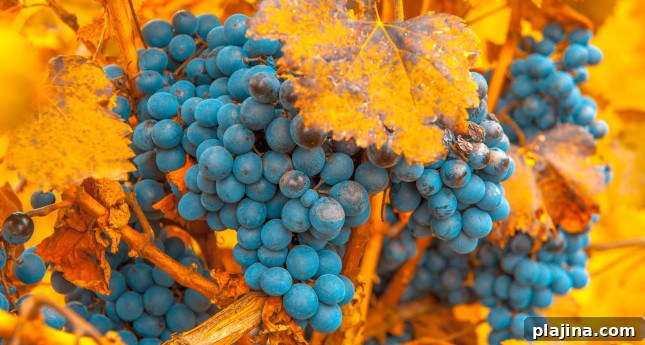
If you enjoy wine, you’ve probably noticed the growing popularity of Malbec and other Argentine wines. While France and Italy often dominate conversations about world-class wine, Argentina has quietly risen to become one of the largest grape producers globally. Its vineyards—especially those in Mendoza—produce rich, expressive Malbecs that have attracted attention from both casual drinkers and seasoned connoisseurs.
Malbec thrives in Argentina’s high-altitude, sun-drenched valleys where diurnal temperature shifts help grapes retain acidity while developing ripe, concentrated flavors. The result is a wine with deep color, plush tannins, and flavor notes ranging from blackberry and plum to cocoa and leather, often with a signature floral lift. Winemakers in regions like Mendoza, Luján de Cuyo, and the Uco Valley experiment with vine age, elevation, and oak aging to craft styles that vary from bright, fruit-forward bottles to more structured, cellar-worthy examples.
Beyond Malbec, Argentina is producing a wider range of varieties and styles. Torrontés offers aromatic white wines with floral and citrus characteristics, while Bonarda and Cabernet Sauvignon are gaining ground for their approachable, fruit-driven profiles. Increasingly, producers focus on sustainable viticulture and low-intervention winemaking, highlighting terroir and the distinctive microclimates found across the country’s diverse growing regions.
Wine tourism has also expanded with the industry’s growth. Mendoza, the heart of Argentina’s wine country, welcomes visitors to tasting rooms, boutique wineries, and scenic vineyard estates framed by the Andes. Many wineries offer guided tastings, barrel-room tours, and food pairings that showcase local cuisine alongside the wines. Seasonality plays a role: harvest time in the southern hemisphere (roughly March to May) is particularly lively, offering a behind-the-scenes look at grape picking and fermentation.
Price and value have contributed to Argentine wine’s global appeal. While some premium bottles command higher prices, many Malbecs and other Argentine wines provide excellent quality at accessible price points, making them ideal for everyday enjoyment or as introductions to New World styles. Collectors and sommeliers are also paying attention to single-vineyard and old-vine bottlings, which can reveal greater complexity and aging potential.
As Argentina continues to refine its viticultural practices and winemaking techniques, the country’s wines are earning broader recognition on the international stage. Whether you’re seeking a plush, fruit-forward Malbec for a casual dinner or a more nuanced bottle for an occasion, Argentina offers a compelling range of options worth exploring.