
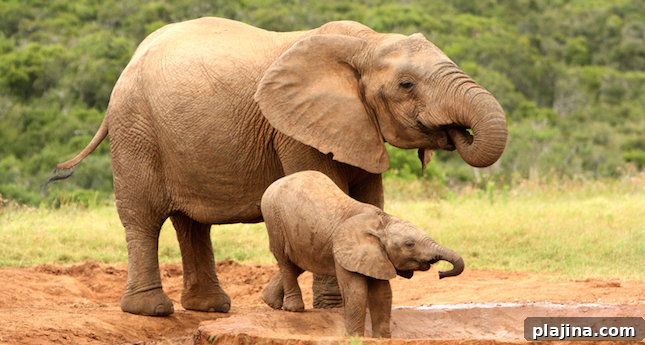
An African safari can be the trip of a lifetime, even for seasoned travelers. Yet the chance to see the “big five” — lions, African elephants, Cape buffalo, leopards and rhinoceroses — roaming freely in the wild is under grave threat. Poaching and illegal trade are pushing some species toward extinction within a few decades.
Responding to an alarming surge in elephant poaching — an estimated 35,000 elephants were killed for ivory last year — the 96 Elephants campaign is dedicated to stopping the killing, disrupting trafficking networks and reducing demand for ivory.
Coordinated by the Wildlife Conservation Society, 96 Elephants derives its name from the average number of elephants lost each day last year. The campaign’s goal is straightforward: protect elephants and secure their future. Through public education, community engagement and advocacy, 96 Elephants seeks to amplify awareness and drive meaningful action to reverse the decline of elephant populations.
Key facts to understand the urgency:
- Elephants play a vital ecological role as natural gardeners, dispersing seeds across wide areas and helping shape diverse habitats.
- In Central Africa, the forests maintained in part by elephants are crucial carbon sinks and important allies in the global effort to combat climate change.
- In 1980, Africa was home to roughly 1.2 million elephants; today fewer than 420,000 remain.
- African forest elephants risk near extinction within the next decade, and savannah elephant populations in East Africa are also rapidly declining.
- The illegal profits from wildlife slaughter and trafficking help fund drug and arms trades, which in turn fuel organized crime, political instability and terrorism.
Your support matters. Consider contributing to 96 Elephants to help protect elephants, support anti-poaching efforts and strengthen conservation programs.
Related reads you may find interesting:
Milestone Trips
GT Blog: African Safari