
It’s been nearly three years since Category 5 Hurricane Maria struck Puerto Rico, causing widespread destruction and leaving much of the island without power or clean water. The disaster heavily affected tourism, which contributes about 6.5 percent to Puerto Rico’s gross domestic product. Many hotels closed for lengthy repairs, airlines reduced service and cruise lines rerouted to other Caribbean ports. The timing compounded existing fiscal turmoil after the government announced in May 2017 it could not repay more than $70 billion in public debt, triggering bankruptcy proceedings and widespread protests that led to political change. In January 2020 a 6.4-magnitude earthquake hit the island’s south, temporarily closing restaurants in San Juan while power was restored. And now, as the world confronts the coronavirus pandemic, Puerto Rico faces further economic uncertainty.
Despite this series of setbacks, Puerto Rico’s recovery since Hurricane Maria has been notable. The island is not solely dependent on tourism; construction and rebuilding programs helped employment rebound to levels above those before the storm within a year. In July 2018 Discover Puerto Rico, the destination marketing organization, launched to reshape the island’s narrative and promote its many positive attributes. That effort helped attract cultural attention—Lin-Manuel Miranda brought Hamilton to San Juan—and earned Puerto Rico recognition such as The New York Times naming it the No. 1 place to go in 2019.
“It helped create record-breaking numbers in lodging revenue, airport arrivals and meetings bookings for the 2019 calendar year,” said Brad Dean, CEO of Discover Puerto Rico, noting tourism now supports roughly 80,000 jobs.
Passenger arrivals at Luis Muñoz Marín International Airport reached record levels in 2019, with a 5.3 percent increase over the previous high in 2016, totaling about 4.7 million travelers. Business and luxury visitors arriving to the island can choose from a range of reopened upscale hotels, including Dorado Beach, a Ritz-Carlton Reserve; The St. Regis Bahia Beach Resort; InterContinental San Juan; and Fairmont El San Juan Hotel.
Foreign investment has also spurred new openings such as the Hyatt Regency Grand Reserve Puerto Rico, which debuted its beachfront property in August 2019. The Four Seasons brand is set to open a large resort on Puerto Rico’s northeast coast, adding further high-end accommodations to the island’s portfolio.
San Juan’s convention district is poised for new energy with the upcoming launch of a five-acre entertainment complex beside the Puerto Rico Convention Center. Known as El Distrito (The District), the development will offer dining, nightlife, live music, and family-friendly activities—all within walking distance of the convention center. The project’s anchors include the 177-room Aloft Hotel San Juan, Caribbean Cinemas’ modern movie theaters and the Coca-Cola Music Hall, a mixed-use performance venue that can host up to 6,000 people and features outdoor bars and a stage. The complex will feature a variety of culinary offerings from quick casual to fine dining.
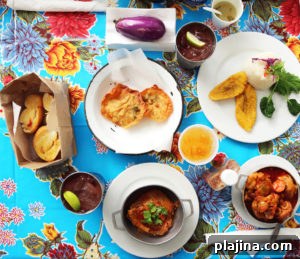
© SPOON FOOD TOURS SAN JUAN
In the wake of Hurricane Maria, Puerto Rico’s entrepreneurial energy drove a strong farm-to-table movement and a renewed focus on regionalism. Community efforts to increase local food production and reduce reliance on imports have helped spark a renaissance in Puerto Rican cuisine. Tours like Spoon Food Tours offer visitors guided walks through San Juan to sample local favorites, while celebrated chefs such as José Enrique in Condado highlight criollo-style dishes that showcase island ingredients—examples include fried yellowtail with sweet yam mash and traditional bacalaítos, accompanied by coconut-and-rum cocktails.
Agritourism is also growing, particularly around the island’s coffee traditions. Historic haciendas such as Hacienda Lealtad and Hacienda Muñoz invite visitors to experience the stages of coffee harvesting, roasting and grinding in authentic settings, connecting agriculture to culture and tourism.
Sustainability emerged as a priority after the island’s recent disasters. The Puerto Rico Energy Public Policy Act, passed in March 2019, set an ambitious goal of 100 percent renewable energy by 2050. This policy, alongside grassroots and private initiatives, is shaping renewable solutions across the island. Puerto Rico hosted its first renewable energy fair to showcase alternatives now being adopted by many refurbished and new hotels.
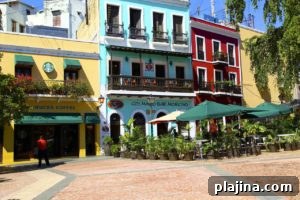
© SÉBASTIEN CHAUVEL – DREAMSTIME.COM
San Juan’s revitalization blends modern projects with deep historical character. Old San Juan—the oldest urban core under United States jurisdiction—marked its 500th anniversary in 2019. Visitors can wander narrow cobblestone streets, admire Spanish Colonial architecture and stroll through broad plazas that convey a timeless charm. While San Juan is reinventing itself, its history remains the heart of the city’s appeal.
CHECKING IN WITH BRAD DEAN
CEO, Discover Puerto Rico
After Hurricane Maria, Puerto Rico shifted toward regionalism and local agriculture. How has that influenced the island’s cuisine?
A stronger focus on local farming has energized the island’s culinary scene. Chefs and restaurateurs are featuring locally sourced ingredients more intentionally, and visitors are enjoying dishes that highlight Puerto Rico’s unique flavors. Coffee production and agritourism have been key components of this movement.
Puerto Rico’s tourism rebounded strongly in 2019. What was the outlook for 2020 prior to the pandemic?
2019 was a record year, with high lodging revenue and the greatest number of passenger arrivals in recent history. Despite seismic activity early in 2020, momentum suggested another strong year. When COVID-19 arrived, Puerto Rico acted quickly with strict health measures and curfews, positioning the island for a faster recovery as travel restrictions eased. The island reopened to inbound tourism on July 15.
What sustainability measures are hotels adopting to address climate change and rising seas?
Puerto Rico is pursuing long-term sustainability through legislation and certification programs. The 2019 energy policy targets 100 percent renewable power by 2050, and the Green Certification Program recognizes tourism properties that meet sustainability criteria. Many hotels are implementing energy and water conservation, waste reduction and other sustainable practices.
El Distrito is coming to San Juan. What excites you most about the city’s future?
Distrito T-Mobile will introduce an experiential hub of retail, dining, entertainment, art and technology to the Convention Center District, with enhanced safety protocols and advanced equipment. It will complement existing venues and hotels in the area and help attract more conventions, events and visitors. The return of the cruise industry is also important, as San Juan remains a major Caribbean cruise hub with significant local economic impact.
INFO TO GO
Taxis offer an efficient, affordable way to get around. The drive from Luis Muñoz Marín International Airport to Condado is about 15 minutes and typically costs around $15; the 20-minute drive to Old San Juan is roughly $19 without heavy traffic. Luxury pickups (limosinas) are available, and private transfers from the airport to hotels usually range from $100 to $125.
DIVERSIONS
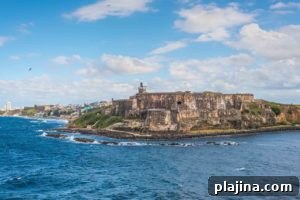
© BYVALET – DREAMSTIME.COM
Begin in Old San Juan, founded in 1519, and explore its cobblestone streets and historic blue adoquine stones brought by Spanish ships. Stroll the well-preserved Historic District with more than 400 restored Spanish Colonial buildings, then walk out to the green space that leads to El Morro, the historic fort overlooking the Atlantic. Nearby La Perla’s colorful murals are also a striking sight.
Beyond the city, explore inland towns like San Germán, founded in 1512, which offers a quieter experience with historic plazas and architecture. For outdoor adventures, choose from sea kayaking in a bioluminescent bay after sunset; exploring the underground caves at Río Camuy Cave Park; or hiking in El Yunque National Forest, where orchids line rainforest trails and waterfalls provide refreshing swims. These experiences can be arranged as day trips from San Juan.
LODGING
Condado Vanderbilt
A posh, beachfront option about a 10-minute drive from Old San Juan, featuring 108 suites with Atlantic views and the island’s first hammam spa.
1055 Ashford Ave.
$$$$
Hotel El Convento
Set in a mid-17th-century Spanish Colonial building in Old San Juan, this boutique hotel is within easy walking distance of historic sites and dining.
100 Cristo St.
$$$
O:live Boutique Hotel
A Mediterranean-inspired Small Luxury Hotel of the World in Condado, known for rooms with terraces, Spanish tiles and outdoor showers; the rooftop offers excellent sunset views.
55 Aguadilla St.
$$$$
DINING
1919 Restaurant
A sophisticated restaurant led by Michelin-starred chef Juan José Cuevas. The nightly fixed-price menu features refined dishes such as hamachi crudo and locally caught fish.
Condado Vanderbilt, 1055 Ashford Ave.
$$$$
José Enrique
A celebrated chef serving fresh, Puerto Rican-flavored seafood and evolving menus that now include ceviche and carpaccio. Reservations recommended.
1021 Ashford Ave.
$$$$
Niché Bistro
Chef David Chaymol blends local ingredients into French-Caribbean fusion fare for breakfast, brunch and dinner in Condado’s Acacia Boutique Hotel.
8 Taft St.
$$$$
JUST THE FACTS
Time zone: GMT -4
Phone code: Country code: 1, city code: 787
Currency: U.S. dollar
Key industries: Pharmaceuticals, electronics, clothing, tourism
COMING AND GOING
U.S. citizens do not need a passport to visit Puerto Rico.
OFFICIAL LANGUAGES
Spanish and English