
PHOTO: © ACCESS ITALY
Few cities carry the weight of history like Rome, yet the Italian capital is increasingly looking ahead. While its tourism relies on ancient landmarks, new investments in infrastructure, policy and hospitality are reshaping the city for the future—often in ways you won’t notice until you walk its streets.
Rome’s post-pandemic recovery has been strong, supported by proactive tourism campaigns and expanding air links. The city welcomed a notable return of U.S. visitors in 2023 and 2024 as major carriers added direct routes and travelers resumed international trips. Italy’s national tourism push, launched in 2023, put Rome front and center in efforts to attract visitors from North America and beyond.

PHOTO: © ACCESS ITALY
One important change is Rome’s emergence as a business-travel center. Milan remains Italy’s financial hub, but Rome is expanding its MICE (meetings, incentives, conferences and exhibitions) capacity. New venues such as La Nuvola and upgrades to historic sites like Palazzo dei Congressi are drawing international conferences back to the city. At the same time, luxury hotel development has accelerated, with leading groups opening high-end properties aimed at business and leisure travelers alike.
National economic priorities under Italy’s recovery plan continue to favor tourism and cultural preservation, directing funds to modernize urban services and protect heritage sites. In Rome this has translated into targeted public-transport investments—partly to prepare for the Vatican Jubilee in 2025—as well as visible progress on projects such as Metro Line C.
Digital transformation is another area of growth. App-based tour services, digital museum access and hospitality tech startups are choosing Rome as a base, and a city-wide 5G WiFi rollout is bringing improved connectivity to residents and visitors.
Despite bureaucratic challenges, investors increasingly view Rome as a long-term, stable opportunity. Strict zoning protects historic assets, encouraging high-end renovations of palazzos and cloisters that are often converted into boutique hotels or serviced residences, fueling a booming luxury-restoration market.
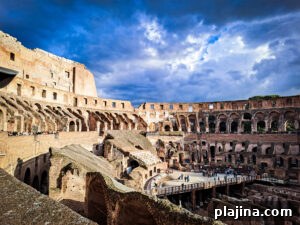
PHOTO: © ROMANOTINO | DREAMSTIME
The Jubilee year has delivered a major tourism surge. With projections expecting tens of millions of visitors, authorities and private partners have coordinated efforts to manage the influx and improve infrastructure so the city can benefit now and in the years ahead.
CHECKING IN WITH SIMONE AMORICO
Co-owner, Access Italy
Who’s coming to Rome right now, and what are they looking for?
Rome now attracts a varied mix. Pilgrims arrive for the Jubilee and focus on the Vatican and its major papal churches. European travelers increase on weekends, while summer brings wealthier visitors—often from the United States—seeking iconic sights coupled with more exclusive experiences like early-morning or after-hours access. Many also want to explore lesser-known neighborhoods and enjoy authentic local encounters.
What trends are you seeing?
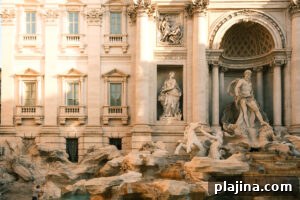
The core appeal of Rome remains unchanged, but several trends stand out. New luxury hotels have boosted the city’s attractiveness to high-end travelers. Short-term rentals have expanded, affecting local housing availability in some areas. Sites facing overtourism are adopting timed entries and guided flows to manage crowds—Trevi Fountain is one example where visitor movement is now more controlled, improving the experience.
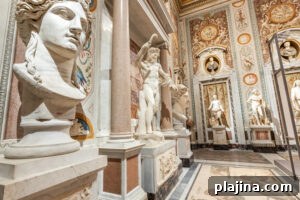
PHOTO: © PERSEOMEDUSA | DREAMSTIME
How is luxury travel changing itineraries?
Bespoke and private experiences are increasingly popular: after-hours tours of museums, pre-opening visits to the Vatican Museums and private gallery access provide intimacy and exclusivity. Culinary experiences—food tours, wine tastings and meetings with producers—remain in high demand. Sustainability is also influencing offerings, with operators adding eco-conscious transport options such as electric vehicles.
Is Rome in pop culture right now?
Yes. Rome has been the backdrop for notable film and television projects, which highlight the city’s scenery and contemporary energy. Such productions, combined with investments in restoration and infrastructure, contribute to a renewed sense of vitality without diminishing Rome’s historic character.
DIVERSIONS
Rome’s major monuments still draw first-time visitors: the Colosseum, Roman Forum and Pantheon remain awe-inspiring. The Vatican Museums and St. Peter’s Basilica continue to top many itineraries, with unforgettable views from the basilica’s dome. Sites once overwhelmed by crowds now use stricter access controls, making early visits more pleasant. Galleria Borghese offers a refined museum experience in a peaceful garden setting.
Contemporary attractions are flourishing too. MAXXI, Italy’s museum of 21st-century arts, combines striking architecture with modern exhibitions. Neighborhoods such as Testaccio have evolved from industrial roots into lively food and nightlife hubs where a new generation of chefs mixes experimentation with traditional markets and bakeries.
Rome suits both well-planned itineraries and spontaneous wandering, though prioritizing a few must-see sites helps make the most of a visit.
LODGING
BULGARI HOTEL ROMA
A modern expression of Roman luxury, this hotel blends marble, art and rooftop views with a Michelin-listed restaurant and a full spa near the Mausoleum of Augustus.
Piazza Augusto Imperatore 10, Rome
HOTEL EDEN
Opened in 1889 and known for its panoramic rooftop, this classic property near the Spanish Steps combines old-world glamour with discreet service and refined dining.
Via Ludovisi 49, Rome
PALAZZO RIPETTA
A restored 17th-century palace operating as a Relais & Châteaux property, offering contemporary hospitality, curated art and modern conveniences.
Via di Ripetta 231, Rome
DINING
ENOTECA LA TORRE
Set in an early 20th-century villa on the Tiber, this Michelin-recognized restaurant blends Roman tradition with contemporary presentation.
Villa Laetitia, Lungotevere delle Armi 23, Rome
IMÀGO
Located on the sixth floor of Hotel Hassler, Imàgo serves a seasonal tasting menu with sweeping views over the Spanish Steps.
Piazza della Trinità dei Monti 6, Rome
TAVERNA TRILUSSA
A Trastevere institution, this lively trattoria offers house-made pasta and classic Roman dishes in a warm, informal setting.
Via del Politeama 23/25, Rome
JUST THE FACTS
Time zone: GMT+1 (GMT+2 DST)
Phone code: Country code: 39 City code: 06
Currency: Euro
Key industries: Tourism and hospitality, fashion and luxury goods, film and media production, food and wine, and cultural heritage restoration
COMING AND GOING
U.S. citizens can enter for up to 90 days without a visa. Passports should be valid for at least three months beyond the planned departure date.
OFFICIAL LANGUAGE
Italian
INFO TO GO
Rome Fiumicino “Leonardo da Vinci” Airport is the city’s main international hub, while Ciampino serves primarily low-cost carriers. The Leonardo Express links Fiumicino to Termini Station in about 32 minutes, and taxis run a fixed fare into central Rome. From Ciampino, shuttle buses and taxis reach the city in roughly 30–45 minutes.