
At some point in every adult’s life, an exotic beach vacation shifts from fantasy to necessity. I reached that point in my early 20s. After weeks of client meetings and the stress of deadlines in my first office job, I booked a ticket and flew to the sandy paradise of the U.S. Virgin Islands.
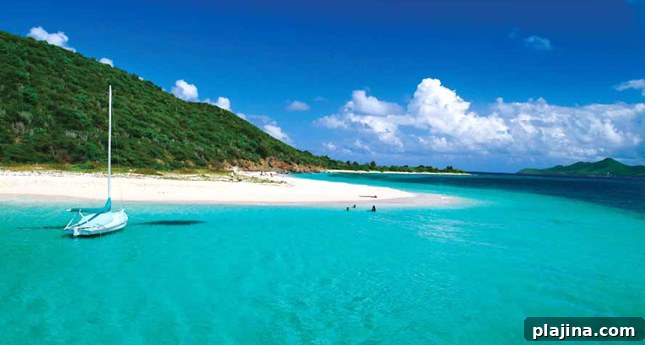
Within hours of landing, I saw the scene I had only admired on the postcard pinned to my cubicle wall. I slipped off my sandals and sank my toes into sun-warmed white sand, the faint beat of steel drums drifting on a warm breeze. Breathing in salty, sweet sea air, I felt a world away from the office — and yet I hadn’t even left the country.
Just east of Puerto Rico in the Caribbean Sea, the U.S. Virgin Islands enjoy year-round warmth, with temperatures typically between 77 and 82 degrees. Geographically part of the northern Leeward Islands in the Lesser Antilles, the territory is an organized, unincorporated part of the United States, so passports are not required for U.S. citizens. Though it proudly markets itself as an “American paradise,” the USVI has a distinct culture shaped by a blend of histories and traditions.
Christopher Columbus claimed the islands in 1493, though they were already home to the Caribs and the Arawaks. Over the centuries the islands flew at least seven different flags, and influences from Spain, Denmark and France still appear in architecture, cuisine and townscapes. The Danish period — more than 250 years — left a particularly visible legacy: sugar and tobacco plantations, grand estates with lush gardens and the distinctive step streets (frigangs) that climb the hills. After the United States took possession on March 31, 1917, Danish aesthetics remained: yellow-brick buildings, bright shutters and red roofs line many streets, speaking to that enduring heritage.
Despite successive rulers, the resilient spirit of Virgin Islanders created a unique identity. The islands have absorbed history and transformed it into an inviting culture that is tenacious, hospitable and vividly alive.
Most visitors focus on the three principal islands — St. Thomas, St. Croix and St. John — along with the smaller, less-visited Water Island. In reality the territory includes more than 50 minor islands, islets and cays, each adding flavor to the archipelago. Locals sometimes describe the islands in urban planning terms: St. Thomas is the city, St. Croix the suburbs and St. John the countryside.
St. Thomas exudes cosmopolitan energy. You can spend days on private beaches, shop exclusive designer labels at The Shops at Yacht Haven Grande, sip craft cocktails in Frenchtown or dine at the Old Stone Farmhouse, a restaurant set in the hills of a former Danish sugar plantation. Even with its city reputation, the 32-square-mile island maintains a relaxed, easygoing vibe.
Mahogany Run Golf Course, St. Thomas © U.S. Virgin Islands Department of Tourism
St. Thomas features world-class golf courses and more than 40 pristine white-sand beaches set against clear turquoise waters. All beaches are public, from the famous mile-long stretch at Magens Bay to the quieter coves like Lindquist Beach, a peaceful retreat. Shallow shorelines and deeper waters alike make the island ideal for snorkeling, sailing and diving. For a memorable evening, you can night-kayak in clear-bottom, LED-lit kayaks with the Adventure Center.
St. Thomas is also known as a shopping destination. Downtown Charlotte Amalie, the USVI capital and a popular cruise port, offers duty-free shopping on watches, spirits, diamonds and more. Historic passageways through the Royal Dane Mall invite leisurely afternoons, and local eateries such as Gladys’ Café serve Caribbean classics. For a sweet treat, try Danish-style ice cream in a homemade waffle cone — the local soursop flavor is a favorite.
St. Croix, the largest USVI island at more than 82 square miles, feels like a welcoming small town. Conversations at local bars often lead to meeting guides, hotel owners or longtime residents. That friendly atmosphere makes it easy to feel at home quickly.
Mermaid Beach at The Buccaneer, St. Croix © U.S. Virgin Islands Department of Tourism
St. Croix’s deep history sets it apart: it hosts the Caribbean’s longest-running resort, The Buccaneer; the Friedensthal Moravian Church, one of the oldest Moravian churches in the Americas; and numerous historic forts from the island’s pirate-era past. The island is a watersports haven — snorkeling, scuba diving, paddle boarding and surfing are all popular year-round. A highlight is snorkeling the underwater trail at Buck Island Reef National Monument, where protected reefs provide opportunities to encounter threatened marine life.
Quirky local attractions add to St. Croix’s charm, from lively domino clubs to modern resorts like the Renaissance Carambola Beach Resort. Dining ranges from traditional Danish-influenced fare at 40 Strand Eatery to inventive dishes at Zion Modern Kitchen.
St. John, at 19 square miles, is prized for unspoiled terrain and lush green landscapes. Its natural beauty and understated elegance have attracted visitors from celebrities to families. The island is accessible only by ferry, and once ashore you’ll find a mix of chic shopping, fine dining and outdoor activities.
Downtown Cruz Bay is a fashionable hub where shoppers stroll shaded terraces and discover boutiques at Mongoose Junction, then relax at cafés like the Ocean Grill or the locally favored Tap Room, which brews St. John–style craft beers. A short drive toward Coral Bay reveals Caneel Bay Resort, a secluded luxury enclave known for its scenic dining and unassuming sophistication. ZoZo’s at the Sugar Mill, housed in the ruins of a 19th-century sugar mill, offers romantic Italian dining with bay views.
U.S. Virgin Islands Info to Go
U.S. citizens do not need a passport to visit the U.S. Virgin Islands, though carrying one is recommended. In lieu of a passport, travelers must present proof of citizenship such as a birth certificate plus a government-issued photo ID. Two major airports serve the territory: Cyril E. King Airport on St. Thomas and Henry E. Rohlsen Airport on St. Croix. Many non-stop domestic flights connect from cities like Atlanta, Charlotte, Fort Lauderdale, Miami, Newark, New York and Philadelphia. Commuter service operates from San Juan, and ferries and local commuter airlines run daily between islands.
Where to Stay in the U.S. Virgin Islands
The Buccaneer — Family-run for generations, The Buccaneer remains a landmark on St. Croix, combining history with modern comforts. 5007 Estate Shoys, Christiansted, St. Croix.
Caneel Bay Resort — A private, low-key sanctuary on St. John that emphasizes unplugged relaxation and understated luxury.
The Ritz-Carlton, St. Thomas — Set on 30 acres with access to Great Bay and Coconut Cove beaches, this property defines luxury on St. Thomas.
Restaurants in the U.S. Virgin Islands
Old Stone Farmhouse — Dine in a restored 200-year-old house where seasonal menus and a decadent Sunday brunch showcase local ingredients. Mahogany Run Tennis Village, St. Thomas.
Zion Modern Kitchen — Contemporary dining on St. Croix featuring sustainably raised foods and a thoughtfully curated cocktail program. 2132 Company St., Christiansted.
ZoZo’s at the Sugar Mill — Italian cuisine served in the romantic setting of a 19th-century sugar mill ruin overlooking the bay at Caneel Bay Resort, St. John.