
The path to heightened consciousness begins in Pune, according to Osho, the controversial spiritual teacher whose sensual approach to personal growth drew thousands to the city in the 1970s and 1980s. Though Osho “left his body” in 1990, his 30-acre ashram remains, now reborn as an international meditation resort tucked within the leafy upscale neighborhood of Koregaon Park.
Osho’s decline coincided with the arrival of foreign investment. After decades of economic stagnation, India opened its markets to free‑market reforms that set the country on a rapid growth trajectory. Two decades later, India’s economy reached roughly $1.3 trillion and became one of the world’s fastest-growing major economies.
While Mumbai and Delhi often receive the spotlight, Pune has been a key player in India’s transformation. Historically an important industrial center, the city expanded into diverse manufacturing sectors—food, pharmaceuticals, electronics and, most notably, automobiles.
Automakers helped drive Pune’s rise. Beginning in the 1960s with early Indian truck and scooter plants, the city now hosts global manufacturers such as Daimler, General Motors, Mercedes‑Benz, Volkswagen and Fiat. Pune’s auto industry produces nearly 1.5 million passenger cars and trucks annually, plus more than twice that number of two‑wheelers and auto rickshaws. Output is expected to grow as new greenfield facilities are developed on the city’s outskirts.
In 2008 Tata Motors selected Pune for its main plant to build the Nano, the compact “people’s car.” Shortly after, Volkswagen opened a state‑of‑the‑art facility to assemble the Polo, and General Motors announced plans to produce diesel engines at a new $300 million plant in Pune.
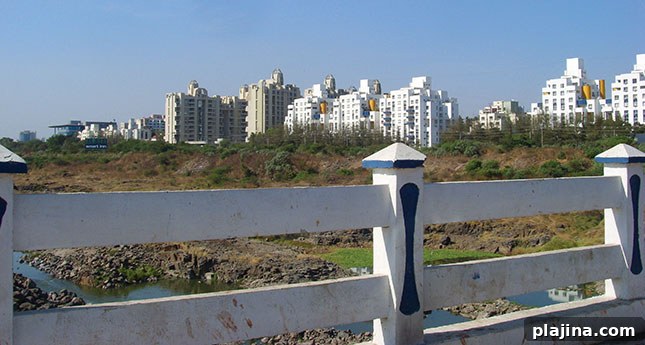
But it was information technology that transformed Pune most dramatically. IT parks sprang up around the city, converting former villages into clusters of glass-and-steel offices. Though not as architecturally attractive as the old town, these parks employ roughly 70,000 people and have helped create a broad, thriving middle class.
Compared with larger IT hubs such as Bangalore and Chennai, Pune’s sector is smaller but still significant and growing. Recent figures showed Pune’s software exports topping $5 billion in a year, outperforming much larger Mumbai in that metric.
Located about 100 miles south of Mumbai, Pune has often been regarded by city dwellers as a relaxed weekend escape with pleasant weather, green landscapes and modest entertainment. Yet Pune has steadily emerged as a destination in its own right. The city of about 5.5 million is Maharashtra’s cultural capital, home to museums, heritage sites, ancient temples and lively open‑air markets where artisans still sell crafts through the narrow lanes of the old city.
Pune has a long tradition as a center of learning. With a dense concentration of educational institutions—including nine universities and prominent graduate programs in medicine and engineering—Pune has earned the nickname “Oxford of the East” and attracts many of India’s brightest students.
Graduates from these institutions often join global companies such as Infosys and IBM, and an upscale commercial scene has evolved to match their preferences. Koregaon Park has seen an influx of trendy restaurants, cocktail bars and luxury boutiques. In a sign of shifting retail priorities, some high‑end brands chose Pune as a launch location in the region.
The arrival of international hotels further signals Pune’s growing business importance. Last November Marriott opened its 500th hotel in the city center—a striking 18‑story glass and steel tower on Senapati Bapat Road offering extensive meeting facilities. Other luxury properties include a 277‑room Westin in Koregaon Park and a 222‑room Hyatt Regency near Pune’s fast‑growing eastern IT corridor.
Hotels such as the Marriott reflect the expanding business travel market: conference space, executive lounges and venues for corporate entertaining. These developments underscore Pune’s evolving role as a place where deals are negotiated and business networks expand.
Longtime residents might lament the fading of Pune’s rural calm as development accelerates, but for many the changes represent economic opportunity and modernization—an unavoidable cost of progress.
Info to Go
Pune International Airport (PNQ), about six miles north of the city, handles some international flights, but most visitors travel from Mumbai. A private taxi from Mumbai International Airport (BOM) to Pune takes roughly three hours and costs around $40.
Diversions
Even amid modern hotels and cafés, the city retains historic and spiritual landmarks. The Chaturshringi Temple on Senapati Bapat Road, dedicated to Pune’s presiding deity, is one of the city’s most visited religious sites. The Pataleshwar Cave Temple on Jungli Maharaj Road, dating to the eighth century, is an impressive rock‑cut shrine to Shiva, and the Dagdusheth Halwai Ganapati Temple in the old town draws devotees and visitors alike.
Nearby, the Shaniwarwada Fort—once the Peshwas’ royal residence—offers a glimpse into Pune’s past. Although much of the seven‑story palace was destroyed by fire in the 1820s, the granite fortifications and the spiked main gate remain noteworthy features.
For shopping, Laxmi Road is a bustling commercial artery lined with stalls selling silk saris and traditional goods. For a calmer environment, visit the Cottage Industries Exposition on Bund Garden Road for handicrafts, fine art and hand‑woven textiles.
Pune is also a center for yoga. The Ramamani Iyengar Memorial Yoga Institute is internationally respected; students from around the world study there, and advanced practitioners can learn from decades of tradition, while many other schools cater to beginners.
For outdoor time, Bund Garden offers a pleasant five‑acre riverside park on the banks of the Mula‑Mutha River, less than a mile from the railway station. It’s a favorite spot for walkers and bird‑watchers, especially during the winter migration season.
Lodging
Hyatt Regency Pune
Opened in 2010 near Koregaon Park, the 222‑room Hyatt features business facilities and an indoor heated pool. Wiekfield IT Park, Nagar Road, tel 91 20 6645 1234
Marriott Hotel & Convention Centre
Pune’s city‑center luxury hotel offers 460 guestrooms, extensive meeting space and convenient access to major sites. Senapati Bapat Road, tel 91 20 6683 3333
Vivanta by Taj
Located about 2.5 miles from the airport, this Taj property offers 110 well‑appointed guestrooms. 11 Koregaon Road, tel 91 20 6602 5555
Dining
Arthur’s Theme
Chef Navtej Singh offers refined French dishes in an intimate setting. 6 Koregaon Park Road, tel 91 20 2613 2710
Dario’s
Known for Italian specialty vegetarian cuisine, this cozy restaurant features courtyard seating. 19 Koregaon Park, tel 91 20 2605 3597
Spice Kitchen
Located in the Marriott, this restaurant serves classic Indian dishes and buffet options catering to international tastes. Marriott Hotel, Senapati Bapat Road, tel 91 20 6683 3333