
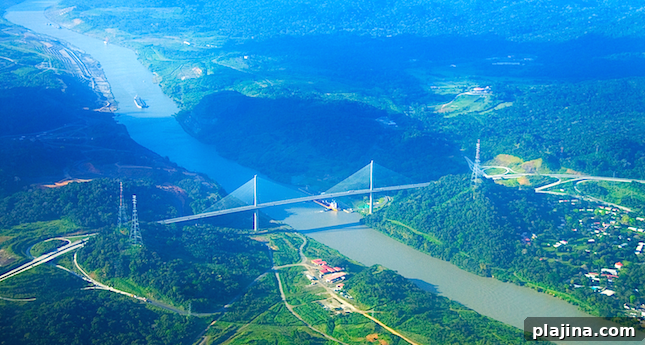
The Panama Canal officially opened on August 15, 1914, providing a vital maritime link between the Atlantic and Pacific oceans via the Caribbean Sea. Watching a large freighter or cruise ship move through the canal and pass through its locks is a striking experience — the lock walls bear colorful paint marks and scuffs from the countless vessels that have transited this engineering marvel. Panama-based boutique operator Truly Panama offers several new tours that showcase this iconic waterway.
From Panama City, the Canal and Train Ride Adventure takes you to the Gatun Locks to observe the mechanisms that raise and lower ships as they traverse the canal. The same itinerary often includes a visit to Fort San Lorenzo, a UNESCO World Heritage site on the Caribbean coast, followed by a scenic return to the city on a historic train that runs along the Panama Canal Riviera.
The Full-day City Tour explores the layers of Panama’s colonial and modern history. You’ll visit the ruins of Old Panama, founded in 1519 and famously sacked by the pirate Henry Morgan in 1671. The tour also stops at the Panama Interoceanic Canal Museum in Casco Antiguo and provides a relaxed lunch in the restored, often-called “walled city.” Afterward, the excursion continues to the Miraflores Locks visitor center, where interpretive exhibits and observation areas give you a deeper understanding of canal operations and history.
The Eco Tour on Gatun Lake offers a nature-focused perspective, with a boat ride through rainforest-fringed waters and opportunities to observe wildlife. Along the way you’ll pass close to large commercial ships waiting to transit the canal, making for a memorable contrast between natural surroundings and global maritime traffic.
The Azuero Folklore Tour visits the Azuero Peninsula, long regarded as the cultural heart of Panama. Local artisans and communities share traditional customs, music, and craftsmanship. You’ll see the intricate handwork involved in creating the pollera, Panama’s national dress, visit artisan studios, and experience the region’s folkloric traditions firsthand.
Each of these tours blends natural scenery, historical context, and up-close views of the canal’s operation, offering visitors multiple ways to appreciate one of the world’s most important engineering accomplishments.